A new Tensor G6 leak claims Google may take an unusual route with the chip expected to power the Pixel 11 lineup, pairing a revised CPU setup with a graphics design that traces back several years.
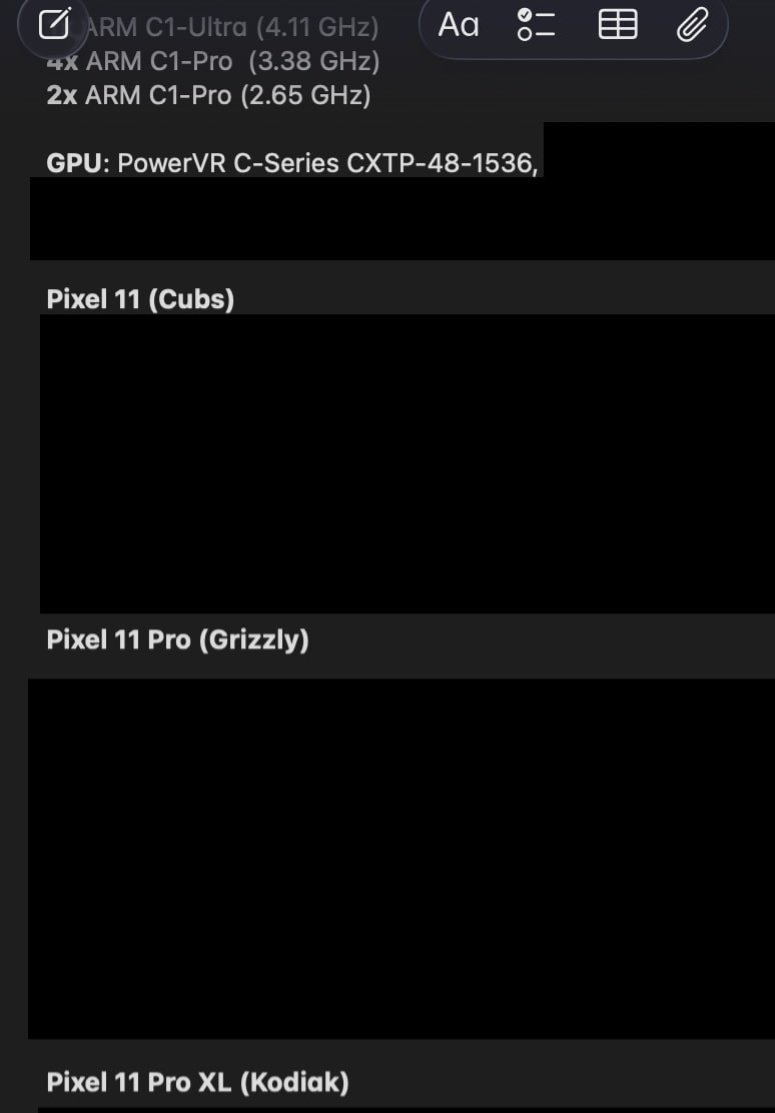
The report says Google could keep using the PowerVR CXT-48-1536 GPU, a graphics architecture first introduced in 2021. If that detail proves accurate, Google’s 2026 flagship silicon would be relying on an older GPU foundation even as the rest of the mobile market keeps moving forward.
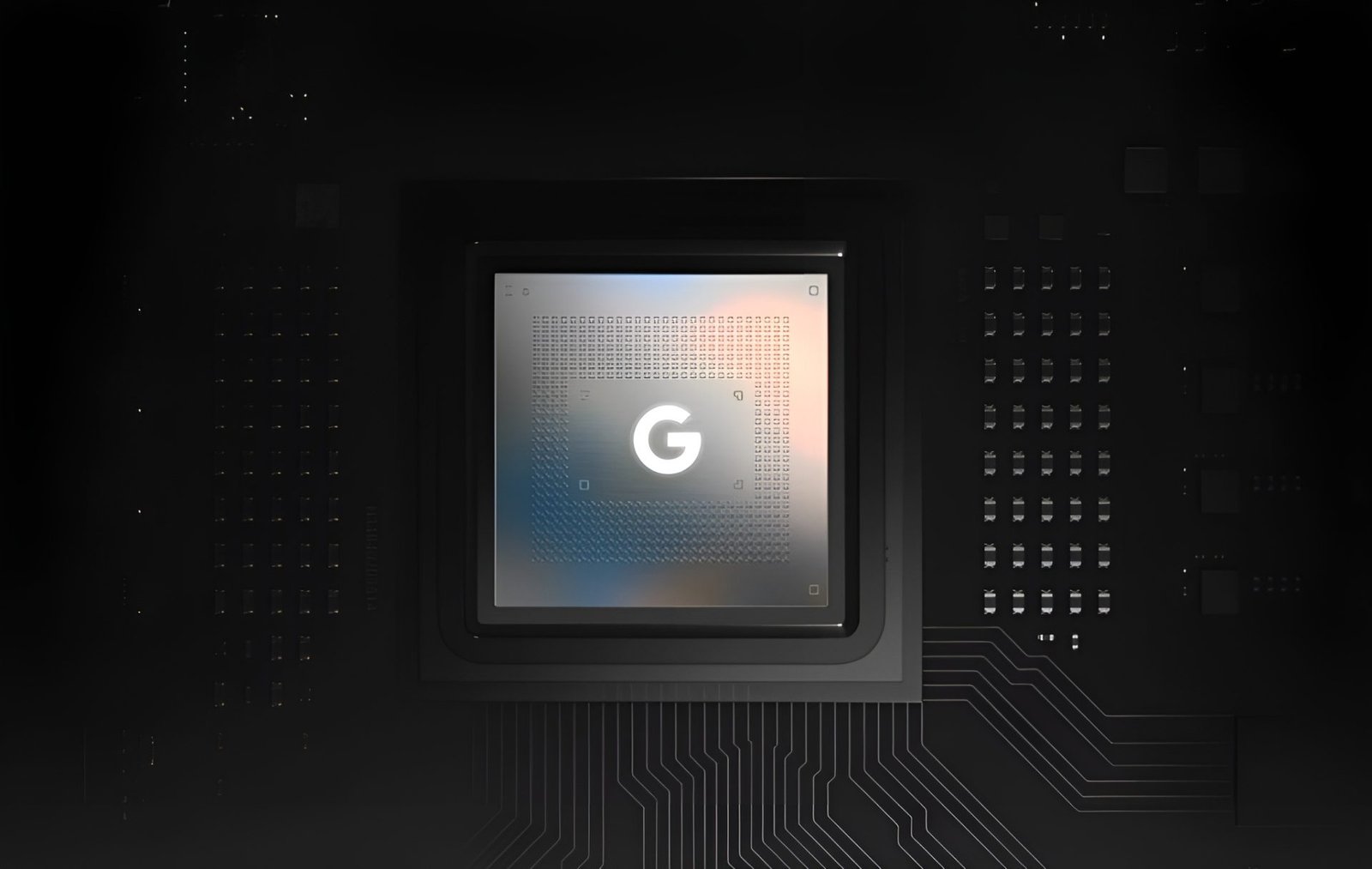
On the CPU side, the leak says Tensor G6 may drop the previous 8-core arrangement in favor of a 7-core 1+4+2 design. The main performance core is reportedly set to move up to ARM’s newer C1 Ultra or C1 Pro family, with clock speeds said to reach as high as 4.11GHz.
The source also argues that Google may be trying to offset weaker graphics hardware by leaning harder on its NPU. In that framing, the company would prioritize AI workloads and efficiency over raw gaming performance, which could help control costs but may leave mobile gamers less impressed.
Security remains part of the story as well. The leak says Tensor G6 will integrate the new Titan M3 security coprocessor, which is expected to handle sensitive functions such as encryption keys and biometric data at the hardware level.
Nothing here is official yet, but if the report holds up, Tensor G6 could end up being one of Google’s more opinionated chip designs: lighter on GPU ambition, more focused on AI processing, and still heavily centered on platform security for the next Pixel generation.