Apple is facing fresh pressure in Brazil over how it handles Apple NFC access on the iPhone. According to a report highlighted by MacMagazine, Brazil’s antitrust regulator CADE formally sent Apple a letter on March 17 demanding a full response by March 30 regarding accusations that the company’s NFC restrictions may be anti-competitive.
The regulator is asking Apple to address a wide range of issues, including service fees, technical requirements, and the underlying contracts signed with Brazilian developers. Taken together, that request suggests Brazil is stepping up its scrutiny of Apple’s payments ecosystem rather than treating the case as a narrow technical dispute.
This investigation has been building for a while. The original antitrust probe reportedly began in 2025 after Brazil’s central bank and the banking lobby group Febraban pushed CADE to step in. Their core concern is that Apple may be using its control over iPhone hardware and software to unfairly limit how third-party payment providers can use the phone’s NFC capabilities.
Apple pushed back hard in February 2026. The company argued that some Brazilian banks were essentially trying to get a free ride during the process of opening NFC access, and it said Brazilian law does not prohibit technology companies from charging for related services. Apple also pointed to its relatively small position in Brazil’s smartphone market, saying the iPhone accounts for only about 10% of local share.
Apple further argued that third-party developers have had access to the relevant iPhone payments functionality since 2024. From Apple’s point of view, that weakens the claim that it is completely shutting competitors out of the ecosystem.
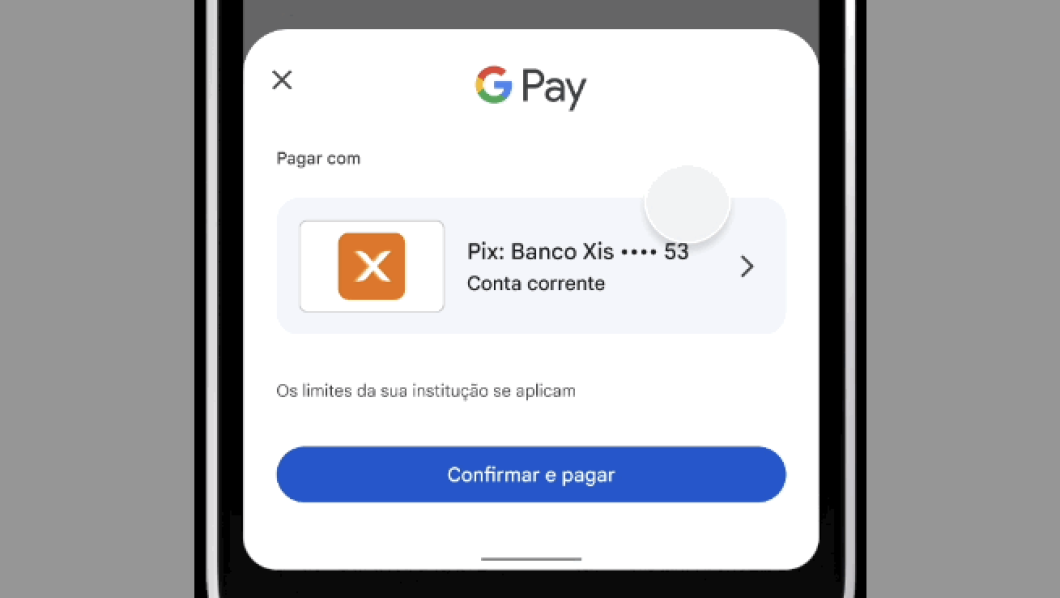
One of the biggest flashpoints in the case is PIX, Brazil’s hugely popular instant-payment system. PIX added support for contactless payments last year, and Google has been more open to adapting to that protocol. Apple, on the other hand, has reportedly declined to adopt it.
Apple’s reasoning is that Brazilian consumers still rely heavily on QR-code payments for PIX transactions, so contactless support is not necessarily a must-have feature for the local market. Regulators and banking groups may see that differently, especially if they believe Apple is slowing competition in mobile payments by keeping tighter control over NFC access.
The next key date is now March 30. By then, Apple is expected to provide a more detailed explanation to CADE. Depending on how Brazil’s regulators respond, this could become another important test case in the broader global debate over platform control, mobile wallets, and who gets access to core iPhone hardware features.