Apple’s long-rumored iPhone Fold could end up using CoE display technology in its inner screen, and that choice may say a lot about the company’s priorities. According to IT Home, citing a recent MacObserver report, Apple appears to be chasing a thinner panel structure, lower power draw, and a cleaner crease profile even if that means making the display harder to read in bright outdoor conditions.
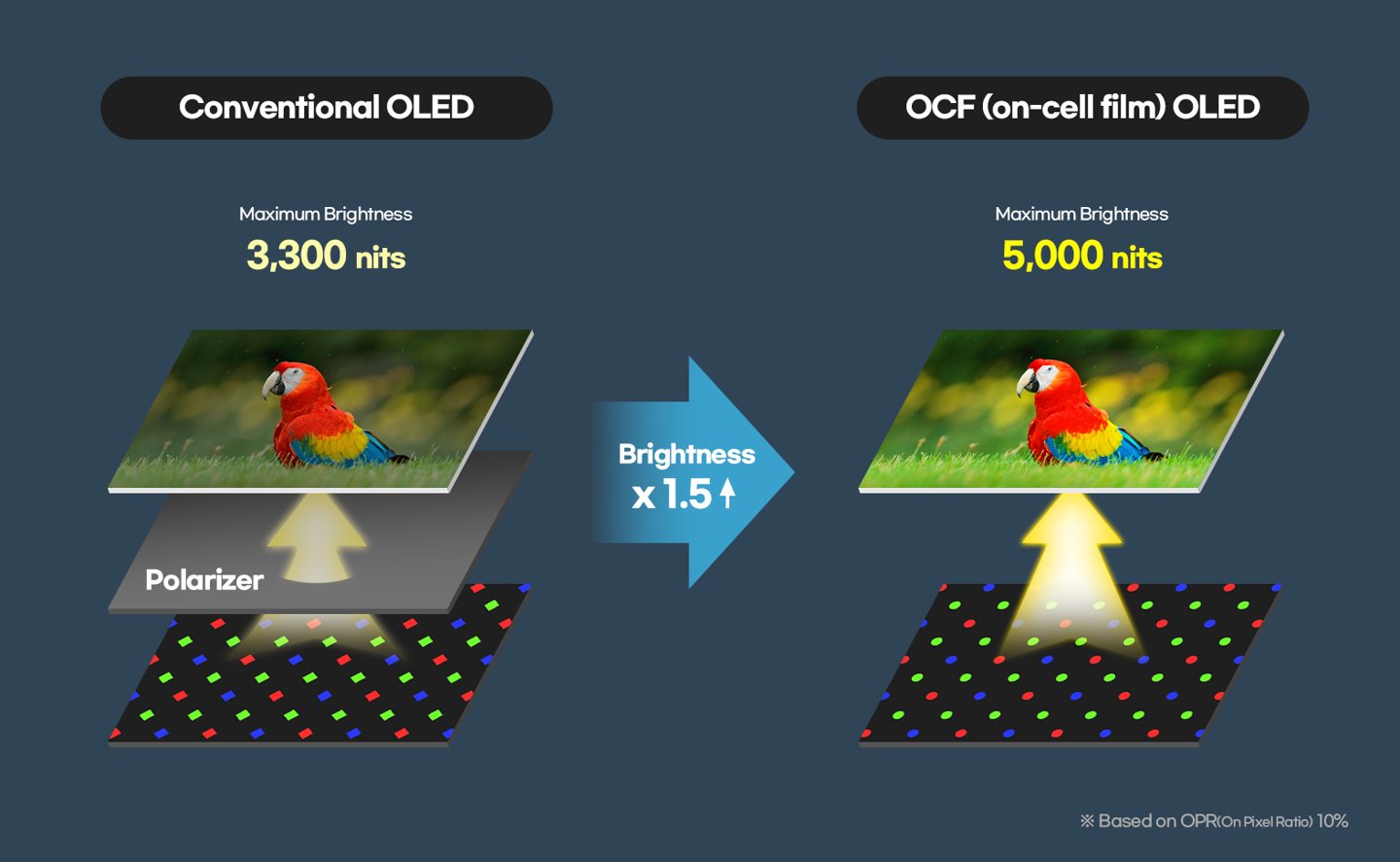
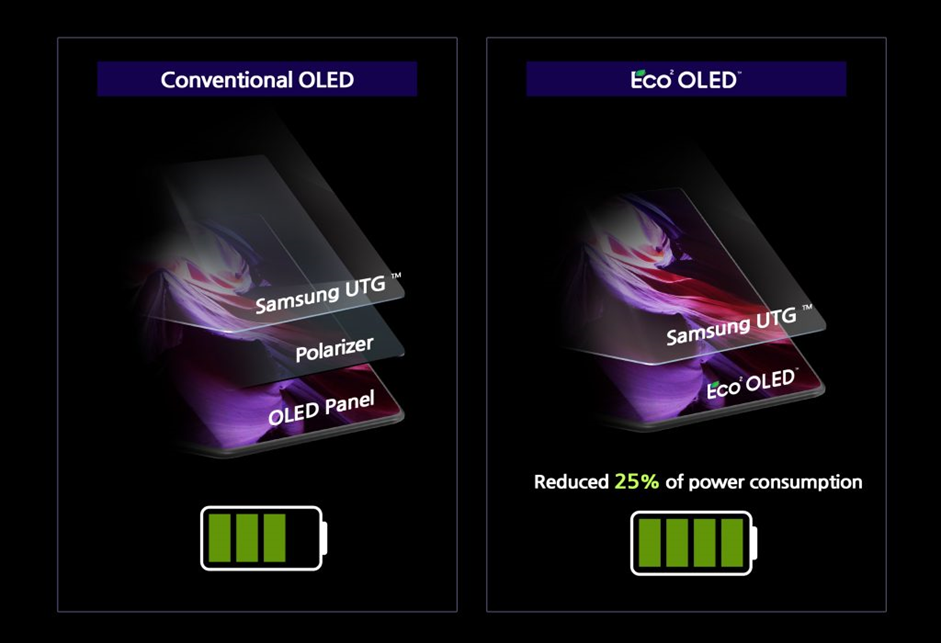
CoE, short for Color Filter on Encapsulation, is a display manufacturing approach that places the color filter directly on the emitting layer. That lets panel makers remove the traditional polarizer, which is one of the thicker layers in a conventional display stack. In practical terms, the result can be a screen that is thinner, lighter, easier to bend, and more efficient.
For a foldable phone, those benefits are pretty obvious. Internal space is tight, hinge stress matters, and every fraction of a millimeter counts. By removing the polarizer, Apple could pair the panel more effectively with ultra-thin flexible glass and build a folding screen that bends more easily while reducing visible creasing. That lines up with the report’s suggestion that the company is aiming for a more refined foldable design rather than just shipping a first-generation concept device.
The downside is reflectivity. Without that polarizer layer helping block reflected light, ambient light can bounce off the screen more easily and reduce readability. In strong sunlight, that could make content on the iPhone Fold noticeably harder to see, especially compared with a more conventional panel design built around stronger glare control.
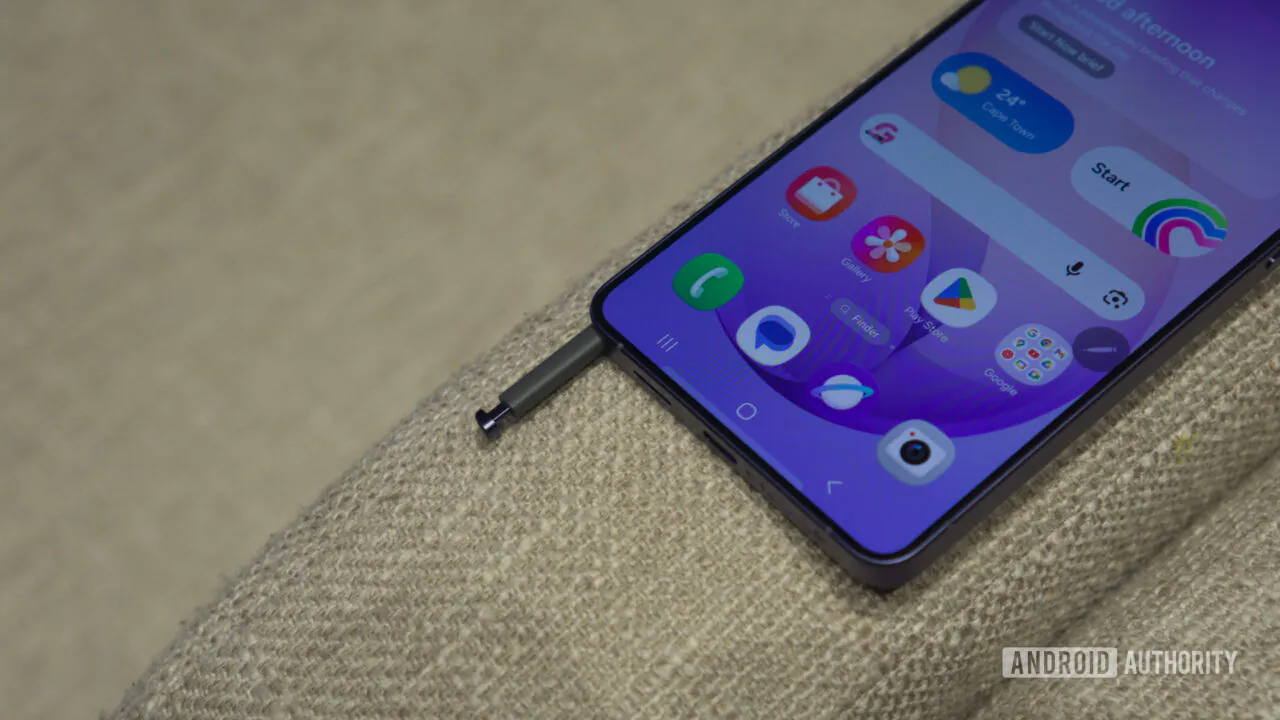
The report points to a recent Samsung example as a warning sign. Samsung is said to be using a similar CoE display direction in the Galaxy S26 Ultra, where screen reflectivity reportedly climbed from 1.5 percent to 2.8 percent. That doesn’t automatically predict the same end result for Apple, but it does show the trade-off is real rather than theoretical.
So the rumored display choice looks like a classic engineering compromise. Apple may be willing to accept weaker outdoor visibility if it helps deliver a foldable phone that feels slimmer, wastes less power, and keeps the crease under tighter control. If the report is accurate, the success of the iPhone Fold may depend on whether users value that sleek hardware feel more than perfect readability in direct sunlight.