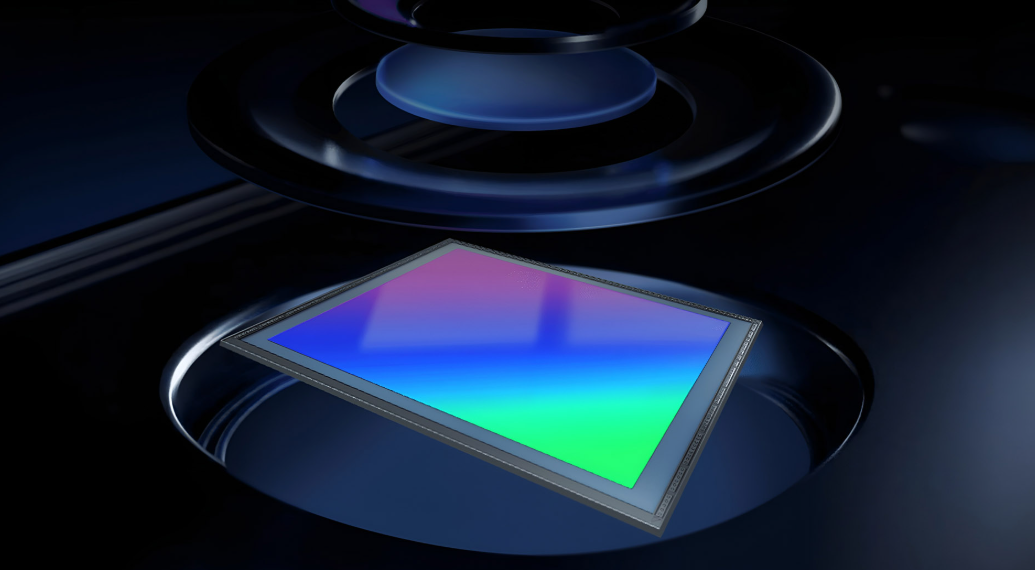
A report out of Korea is raising new questions about Apple’s future camera supply chain, and the big theme is whether Samsung could finally break into an area that Sony has dominated for years. According to NewDaily, Sony is dealing with yield problems at a major CMOS image sensor facility in Japan, and that factory is especially important because it reportedly supplies sensors used in the iPhone lineup.
The plant in question is Sony Semiconductor Solutions’ Nagasaki Technology Center, which the report describes as one of the company’s core manufacturing bases for smartphone image sensors. It is said to account for more than 80 percent of Sony’s smartphone sensor output, making it a strategically important site not just for Sony itself but for brands that rely on Sony camera parts in large volumes.
If the yield problems drag on, the concern is straightforward: lower manufacturing efficiency can tighten supply, increase pressure on delivery schedules, and make major customers think harder about diversification. Apple is the name that matters most here, since Sony has long been treated as the primary supplier for iPhone image sensors. That has given Sony an unusually strong position in one of the most important parts of a smartphone camera stack.
The report also points to the broader market backdrop. Omdia data cited in the coverage puts Sony at 51.6 percent of the global image sensor market, well ahead of Samsung Electronics at 15.4 percent and OmniVision at 11.9 percent. In other words, Sony is still the clear heavyweight. But a dominant supplier facing production friction is exactly the kind of situation that can encourage large device makers to rethink concentration risk.
That’s where Samsung enters the story. Apple has already been pushing for a more diversified semiconductor supply chain, and the report notes that Apple previously announced work with Samsung Electronics on new chip manufacturing technology at Samsung’s Austin, Texas facility. Industry watchers cited in the article believe that collaboration could eventually connect to camera components used in future iPhones.
Samsung already has a well-established sensor brand in ISOCELL, and it has spent years building credibility with high-resolution mobile camera hardware, including early 200-megapixel sensor development. On paper, that gives Samsung a much stronger foundation than a newcomer would have if Apple seriously considers adding a second major sensor source for the iPhone.
The most speculative part of the report is the timeline. The article says Samsung image sensors could appear in an iPhone as early as 2027. That does not amount to confirmation, and there are still a lot of moving pieces between a supply-chain discussion and an actual shipping Apple product. Even so, it’s the kind of rumor that feels more plausible when paired with reported Sony yield pressure and Apple’s long-running interest in reducing supplier dependence.
For now, the safest conclusion is that Sony remains the leader, Apple hasn’t confirmed any switch, and the 2027 iPhone timeline is still just a forecast. But if Sony’s manufacturing challenges persist and Samsung keeps advancing its ISOCELL technology, the idea of a future iPhone using a Samsung camera sensor no longer sounds far-fetched at all.