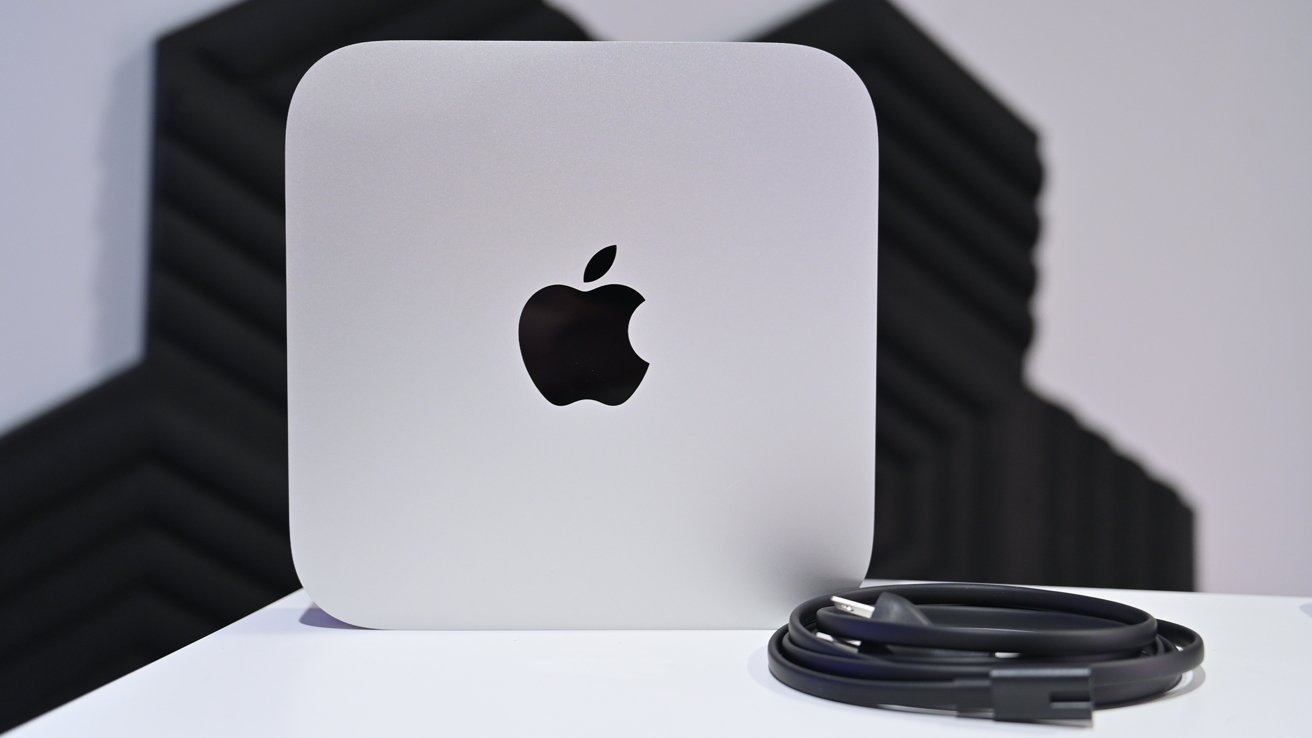
A new AppleInsider report, summarized by IT Home, takes a closer look at how Apple reportedly protects the details of unreleased hardware and marketing materials before launch. The broad picture is what you would expect from Apple: tight physical controls, rigid internal process rules, and heavily restricted access to information.
On the office side, the report says Apple uses layered workplace controls for sensitive projects. Areas tied to confidential product design are said to require alarms, passcodes, or badge-based access, with codes updated regularly so former employees do not retain entry privileges. Reception desks and delivery access points are also reportedly monitored closely, and even cleaning staff are kept as far away from confidential material as possible.
The internal work rules sound just as strict. Employees are reportedly not allowed to leave sensitive work on whiteboards, desks, or in meeting rooms, and meetings involving confidential projects must take place in locked rooms. Computers are said to require password protection, while digital documents use encrypted files and secure servers for transfer, including 128-bit encryption for certain data movement workflows.
The report also describes a hardline document-handling process. Printing areas may be staffed by security personnel, employees must collect printed pages immediately, and discarded materials are supposed to be shredded and stored in secure bins. That kind of procedure suggests Apple treats paper leaks as seriously as digital ones.
On the people side, Apple is said to apply a strict need-to-know access model. Employees and third-party partners who touch unreleased products are reportedly screened carefully and required to sign confidentiality agreements. Product names are avoided in email, approved codenames are used instead, and passwords must be shared by phone rather than bundled together with files.
AppleInsider also notes that Apple relies on several specialized formats during development, including CAD and PCB-related files such as .prt, .x_t, .dwg, .dxf, PDFs, and Gerber files. Hardware design work is said to lean heavily on Siemens NX for 3D CAD, while other internal tools support animation and related tasks.
Even with all of those controls, leaks still happen from time to time. The report points out that hardware CAD files surface every year, while marketing-material leaks remain much rarer. That contrast may be the clearest takeaway: Apple’s secrecy system does not make leaks impossible, but it appears to raise the cost of mistakes high enough that most sensitive launch material stays under wraps.