OPPO has offered a more detailed explanation for the unusual camera centerpiece on the OPPO Find X9 Ultra, saying the phone’s hexagonal visual identity was never meant to be the safest choice.
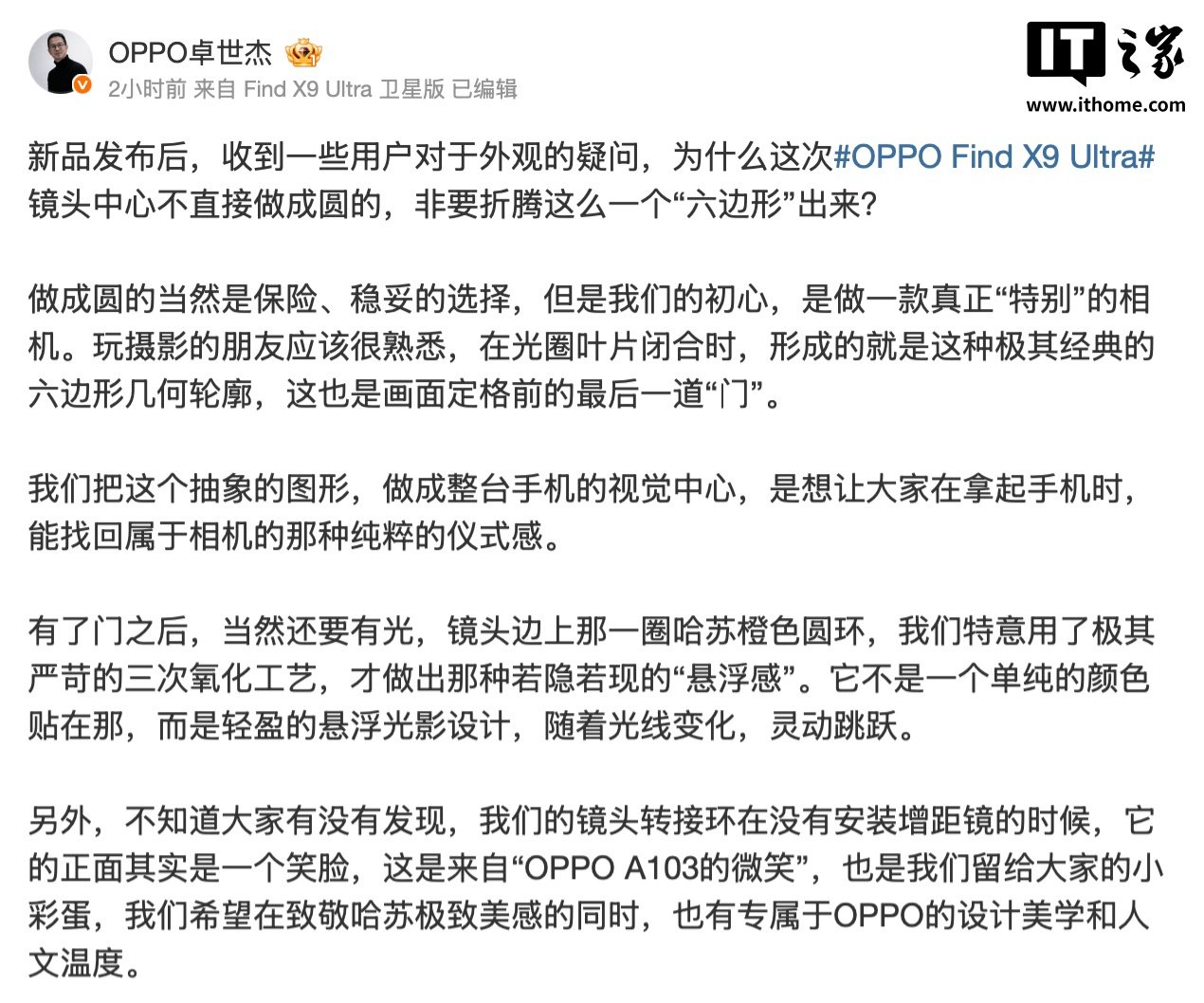
Zhuo Shijie, the product lead for OPPO’s Find series, said making the module round would have been the more conservative move. Instead, the team wanted a design that felt genuinely distinct and closer in spirit to a dedicated camera.
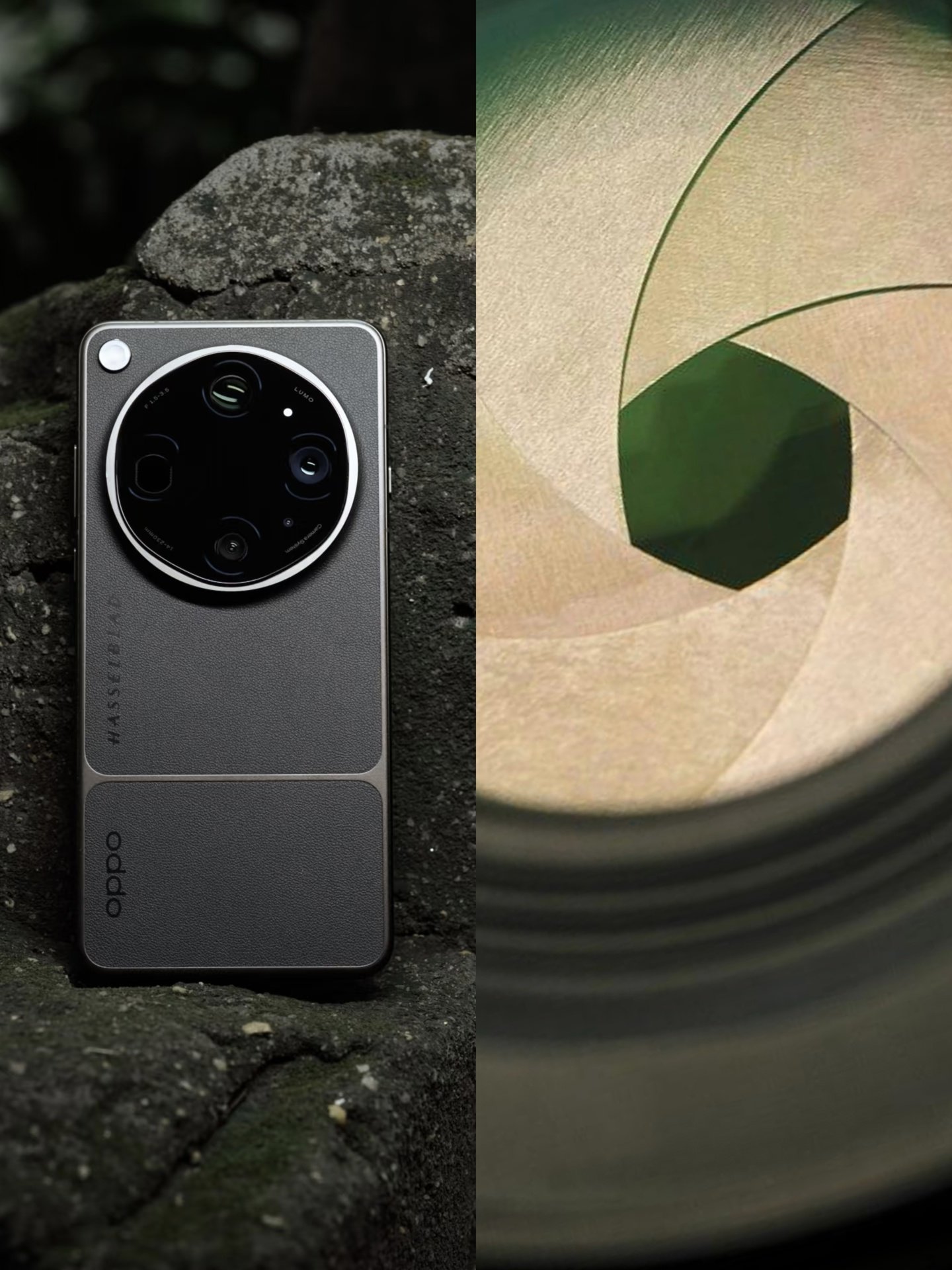
His explanation ties the shape directly to mobile photography. When aperture blades close, they can form a classic hexagonal outline, and OPPO says it turned that abstract photographic detail into the visual center of the entire phone. The goal, in the company’s words, was to bring back some of the ritual and emotional feel people associate with picking up a real camera.
OPPO also highlighted the orange ring around the lens area, describing it as a Hasselblad-inspired detail created through a demanding triple-anodization process. Rather than looking like a simple color accent, the ring is meant to create a floating light effect that shifts subtly as lighting changes.
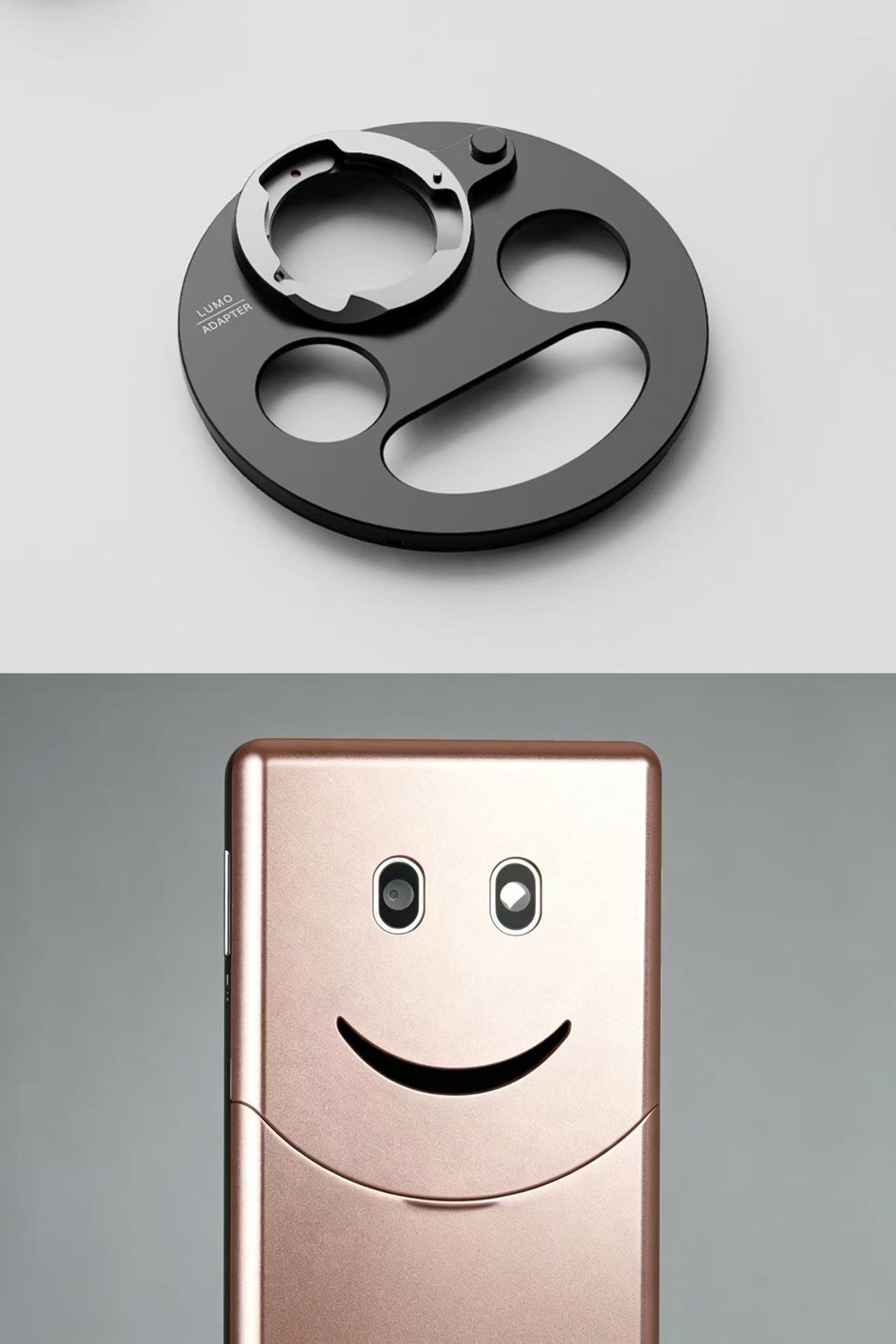
There’s also a playful design touch built into the lens adapter ring. OPPO says that when the teleconverter isn’t attached, the front of the ring resembles a smiling face. The company describes that as a small Easter egg referencing the OPPO A103 smile motif, blending the brand’s own design language with its homage to classic camera aesthetics.
The OPPO Find X9 Ultra launched on April 21 with Qualcomm’s Snapdragon 8 Elite Gen 5 chip, a 7050mAh battery, and pricing starting at 7,499 yuan. On the imaging side, OPPO is positioning it as a camera-first flagship, with a rear setup that includes a 50MP 14mm ultra-wide camera, a 200MP 23mm main camera, a 200MP 70mm telephoto camera, a 50MP 230mm ultra-long telephoto camera, and a second-generation Danxia color restoration lens.
Whether buyers end up loving or rejecting the look, OPPO’s explanation makes one thing clear: this piece of smartphone camera design was intended to feel deliberate, symbolic, and a little more human than another safe flagship circle.