Apple has teamed up with the University of Michigan on a new Apple hearing study that looks at how people experience hearing in everyday life. According to a report highlighted by 9to5Mac, the research involved about 160,000 participants, and the findings released this week suggest that test results alone do not always match how people actually feel in real-world situations.
Among those participants, roughly 85,000 met the World Health Organization standard for normal hearing, defined as hearing thresholds of 25 dB or below. Even so, 16% of that group said they believed their hearing was only fair or poor. The study says that some people who test within the normal range still report practical problems, such as difficulty focusing on what someone is saying or trouble understanding conversations in noisy environments.
The researchers also looked at a separate sample covering 57,183 people and found a link between worsening hearing and slower walking speed. That relationship was especially noticeable among adults over 60, which suggests hearing ability may be tied more broadly to physical health and day-to-day functioning.
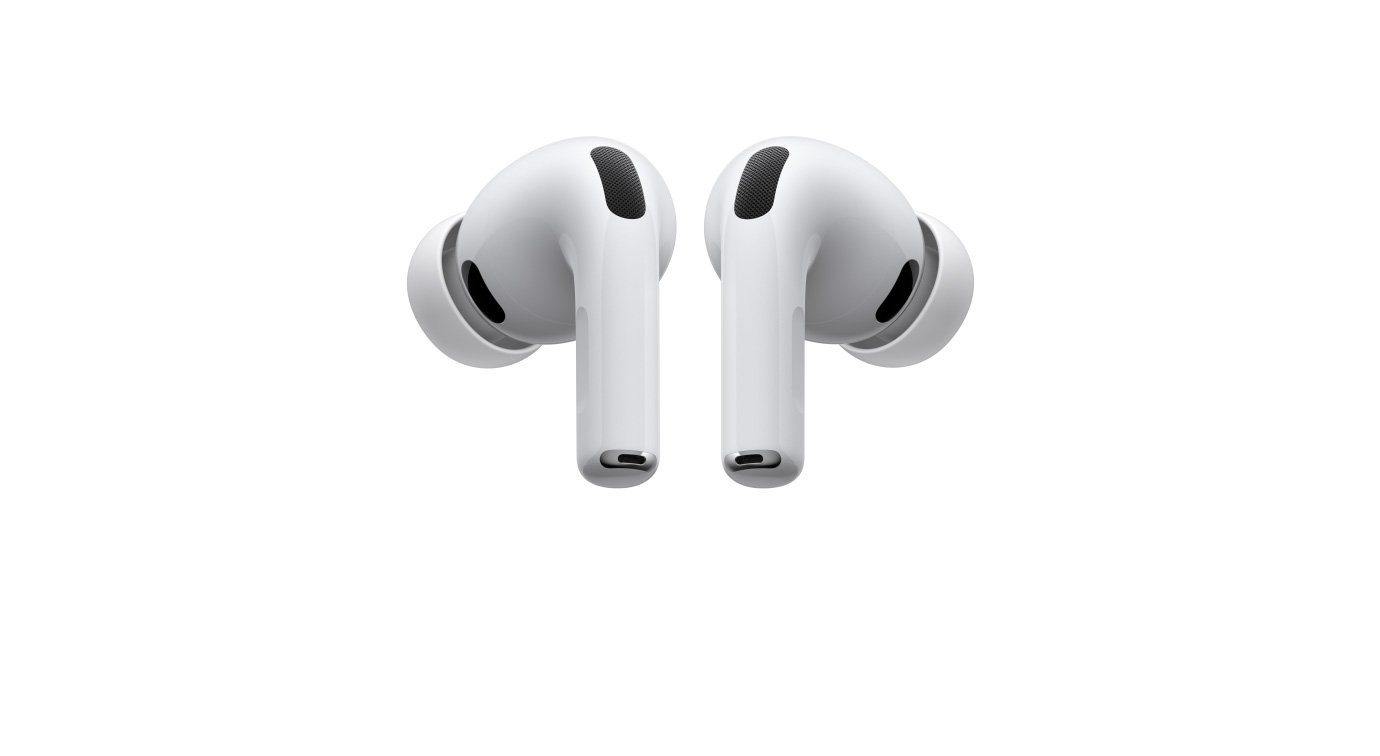
In the study summary, the researchers noted that AirPods can be used to evaluate hearing through the four-frequency pure-tone average, or 4PTA, feature. The takeaway is that even people with normal hearing may benefit from checking their hearing from time to time so they can take protective steps earlier if changes begin to appear.
For older adults in particular, the report says hearing decline may be closely connected to reduced mobility. It also notes that if someone is already experiencing related symptoms, hearing aids may help support better long-term health outcomes. More broadly, the study adds to the idea that devices like AirPods are starting to serve not just as audio accessories, but also as accessible tools for everyday health monitoring.