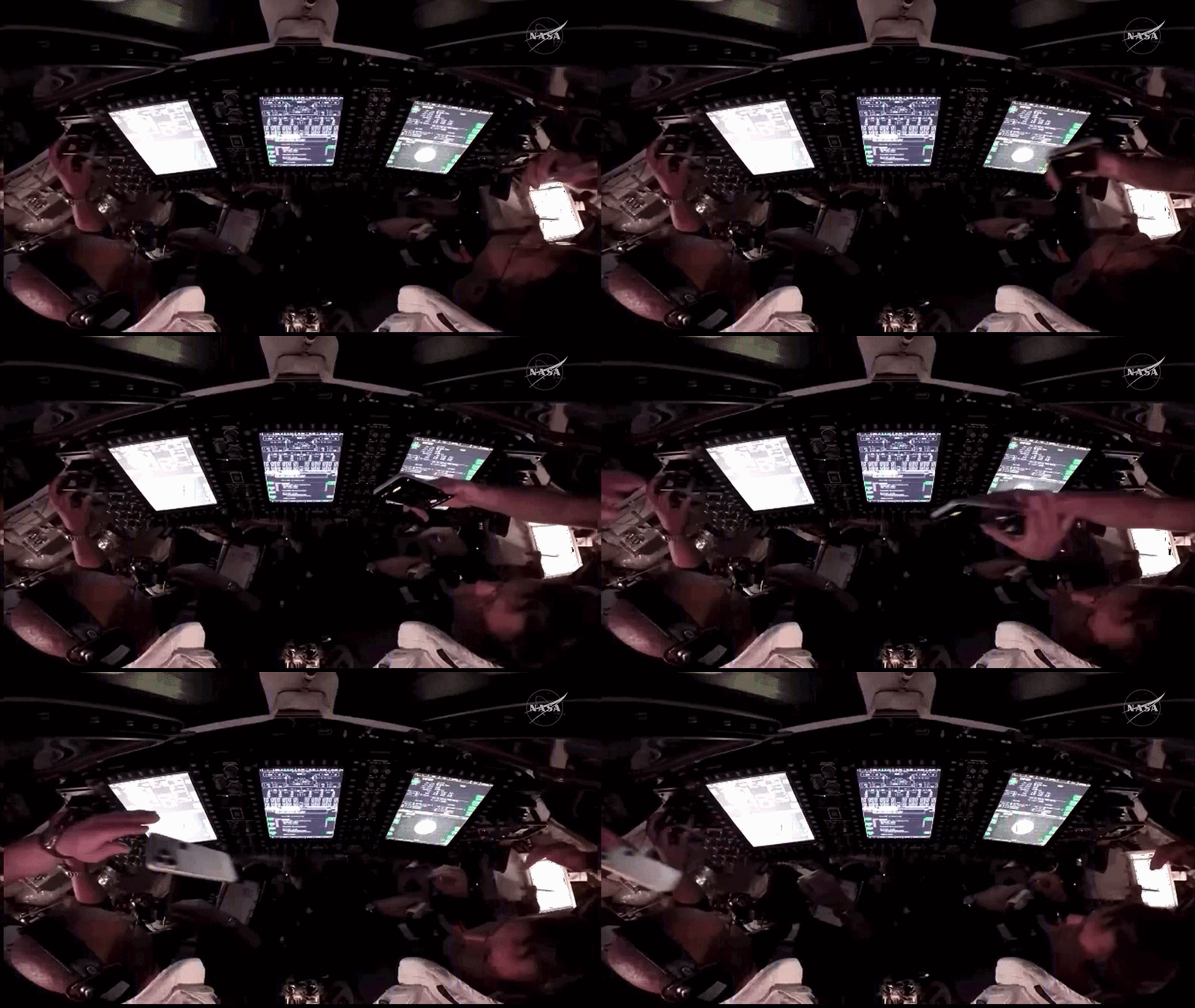
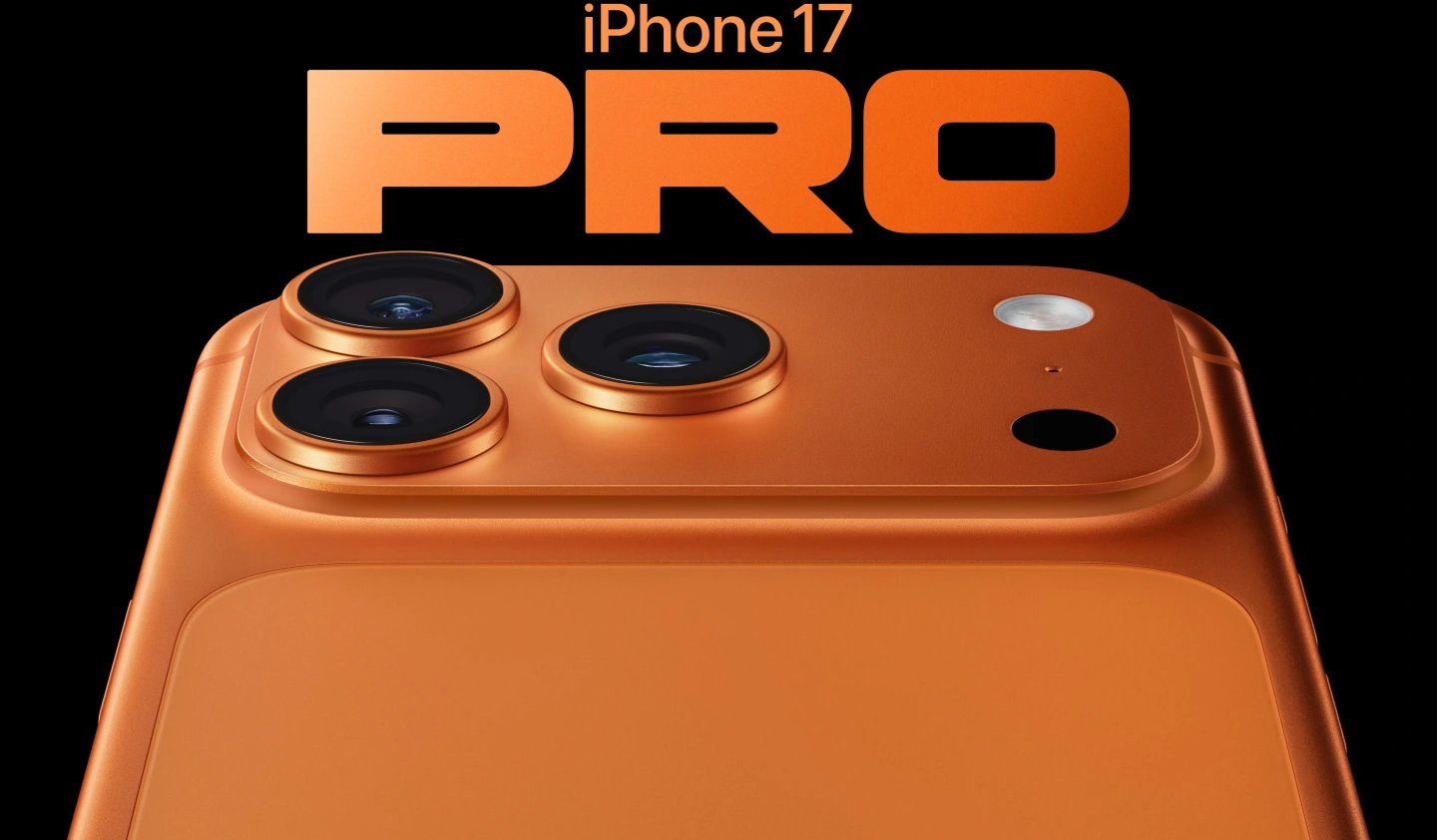
An iPhone 17 Pro Max briefly floated through the frame during early livestream coverage of the Artemis II launch sequence, and people quickly noticed. The moment has already sparked a lot of discussion online, and it may be one of the most unexpected bits of attention Apple has picked up in a while.
So how did the phone actually get there? According to a New York Times report cited by IT Home, the iPhone 17 Pro Max went through a long NASA approval process before it was allowed inside the spacecraft cabin. This is the first time NASA has approved an iPhone for orbital flight and extended use beyond Earth.
NASA applies extremely strict rules to anything astronauts bring into space. For the Artemis II lunar flyby mission, the agency made an unusual exception by allowing the crew to use iPhones in space. Tobias Niederwieser, an assistant research professor at the BioServe Space Technologies institute at the University of Colorado Boulder, said the process was complex and time-consuming, similar to the testing his team faced when preparing payloads for Artemis I.
The approval process reportedly had four stages. First came an initial review by a safety assessment group. Next, NASA looked for possible hazards, including moving parts and fragile materials such as glass. After that, engineers worked out ways to reduce or eliminate the risks found earlier. Finally, those safety measures had to be validated to prove they actually worked.
That caution makes sense in orbit. On Earth, if glass breaks, gravity usually pulls the pieces down and shoes offer some protection. In space, floating shards can drift into a crew member’s face or damage onboard equipment. Electronics also face radiation exposure and other stresses, so NASA has to be sure a device won’t fail in ways that could create larger problems onboard.
IT Home notes that reports about iPhone testing for space use first appeared in February 2025. Even so, the move still stands out because NASA hardware approval is known for moving slowly. The same mission reportedly relies on a Nikon DSLR model from 2016 and several GoPro cameras that are already around a decade old.
Apple told The New York Times that it wasn’t involved in NASA’s formal approval process. The company did say it has carried out extensive durability testing on its devices, and in July 2025 it disclosed some of its more extreme test procedures. Those tests included drops, harsh temperatures, and intense light exposure, though there’s no indication Apple tested the phone in a true microgravity environment on its own.
The phone also isn’t being used for mission-critical operations. Astronauts are expected to use it mainly to document their experience and capture important imagery. According to the report, these approved iPhones can’t be used like normal consumer phones once onboard, and they are specifically barred from connecting to the internet or using Bluetooth.
Earlier iPhones had made it to space before, but mostly on private missions. The report points to the 2021 Inspiration4 mission, where astronauts used iPhones to photograph Earth, and to the final space shuttle mission in 2011, when two iPhone 4 units were flown for experiments. What makes this case different is the formal NASA Artemis II cabin approval tied to long-duration use beyond Earth.