A new industry report says privacy-screen smartphones could move from a niche feature to a much bigger part of the premium market this year. According to coverage citing Sigmaintell data, global shipments are expected to rise from about 1 million units in 2025 to roughly 21 million units in 2026, which would amount to an almost 20-fold jump in just one year.
The main driver is changing user behavior. As more on-device AI features handle increasingly personal data, brands are putting more focus on keeping screen content from being exposed in public places. That shift is turning mobile privacy mode from an extra feature into a more meaningful selling point for high-end phones.
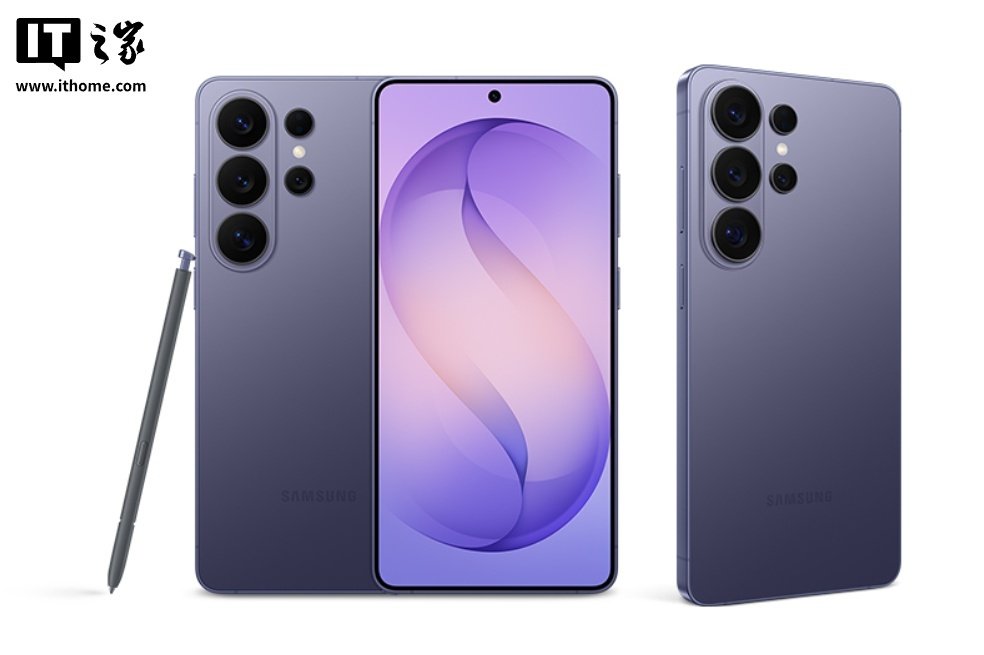
The report says Samsung has already brought the feature to the Galaxy S26 Ultra, while Huawei and Xiaomi are moving faster on related development. OPPO and vivo are also said to be working on similar solutions for future products, which suggests the technology is no longer limited to a single vendor experiment.
On the technical side, the approach relies on separating standard pixels from dedicated privacy pixels so the visible viewing angle can be controlled more tightly. With privacy mode enabled, the display is designed to remain clear from the front while limiting what people can see from the side. Panel makers may implement that structure differently, but the goal is the same: reduce casual shoulder-surfing without making the phone unusable for the owner.
Sigmaintell also expects the category to keep growing beyond this year, with shipments potentially reaching 29 million units in 2027. That said, wider adoption still depends on solving familiar trade-offs such as reduced resolution, brightness loss, and extra power consumption. If those issues improve, privacy-screen smartphones could become a more standard differentiator for both slab phones and foldables.