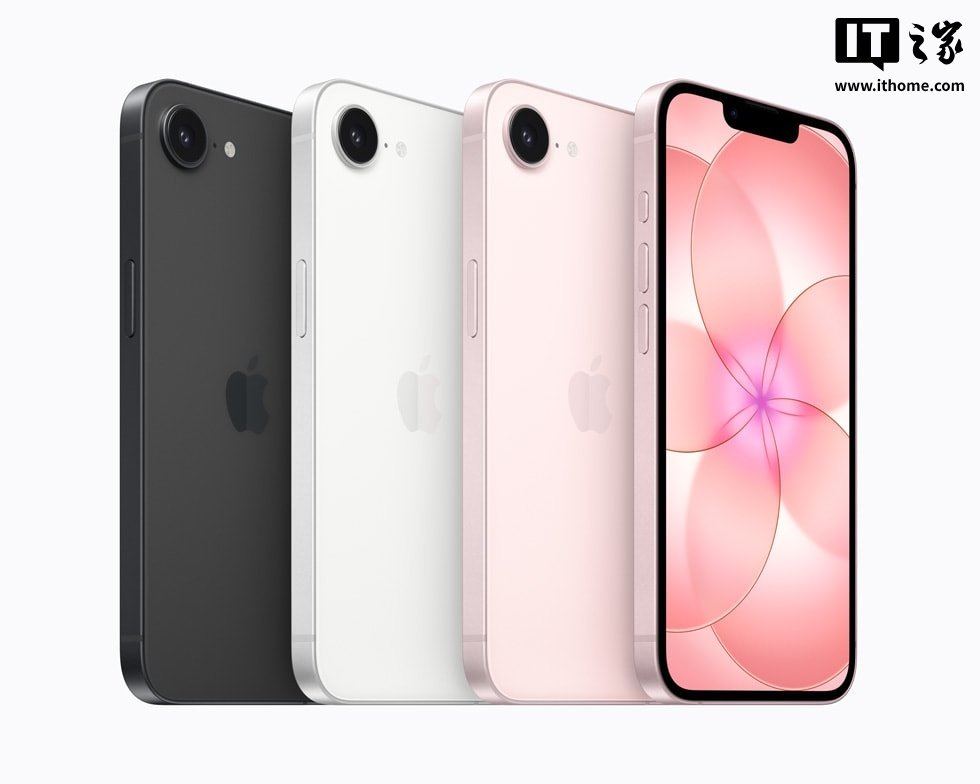
A new supply-chain report says Apple is weighing a major display upgrade for its future entry-level iPhone lineup. According to ZDNet Korea, the company is considering bringing LTPO OLED panels to the iPhone 19e, a model reportedly planned for the first half of 2028.
If that happens, it would be a pretty meaningful shift for Apple’s product strategy. The report argues that once the iPhone 19e moves over to LTPO OLED, every iPhone in Apple’s range could finally leave traditional 60Hz panels behind.
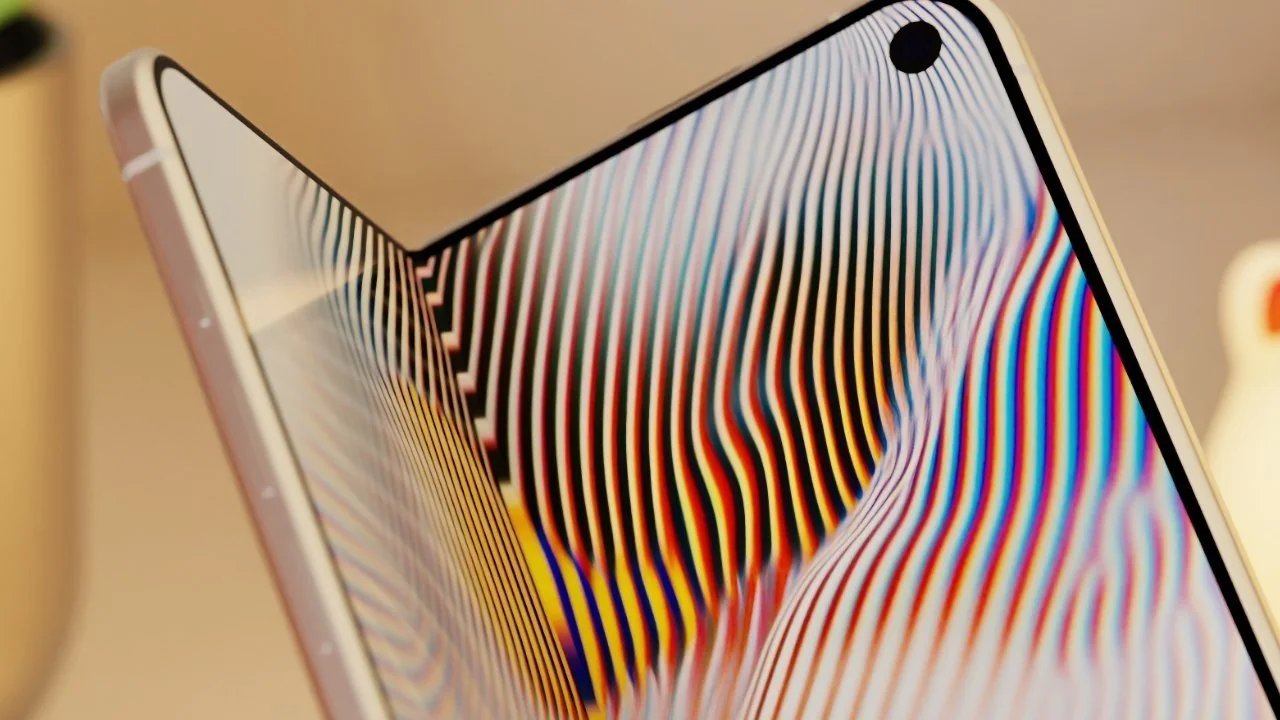
People familiar with the supply chain say Apple is preparing a newer LTPO+ approach for devices expected in 2028, including a future iPhone Air model in the first half of the year and a foldable iPhone later on. At the same time, Apple is said to be evaluating whether the rest of the lineup, including the iPhone 19e, should also adopt LTPO-based screens.
The timing matters because Apple’s recent lineup still appears to split display technology by tier. The report says all four iPhone 17 models released in 2025, including the Air version, use LTPO OLED panels, while the newer iPhone 17e sticks with LTPS OLED. It also says the iPhone 18e, expected in 2027, is still likely to keep an LTPS display.
One industry source quoted in the report says Apple continues to separate iPhone models by market positioning, and that the company is targeting 2028 as the point when some models start using the more advanced LTPO+ stack. Under that plan, the more affordable iPhone 19e would move up from LTPS to LTPO OLED. The same source also cautioned that if Apple can’t deploy LTPO+ on schedule in selected 2028 models, the lower-end lineup could see that upgrade pushed back as well.
The report describes LTPO+ as an extension of current LTPO technology. Existing LTPO panels still rely on LTPS for the driving TFT section while using oxide technology in other areas. Moving the driving TFT to oxide as well could cut power consumption further, which would be especially useful for thinner phones and battery-sensitive designs.
There’s another display-related detail in the report too. Apple is also said to be planning a polarizer-free CoE, or Color filter on Encap, approach for an iPhone Air model expected in 2028. That design would replace the standard polarizer used to block reflected light with a color filter, while also switching the usual pixel definition layer to a black PDL structure.
Removing the polarizer could improve light transmission, reduce power use, and help make devices thinner and lighter. Industry watchers had previously speculated that CoE might show up on iPhone Air hardware as early as 2027, but this latest report says that timeline still looks difficult.
The same report adds that Apple may debut CoE first on its foldable iPhone later this year. That would make sense, since foldable designs usually face tighter power and component constraints and benefit more from every bit of efficiency they can get.