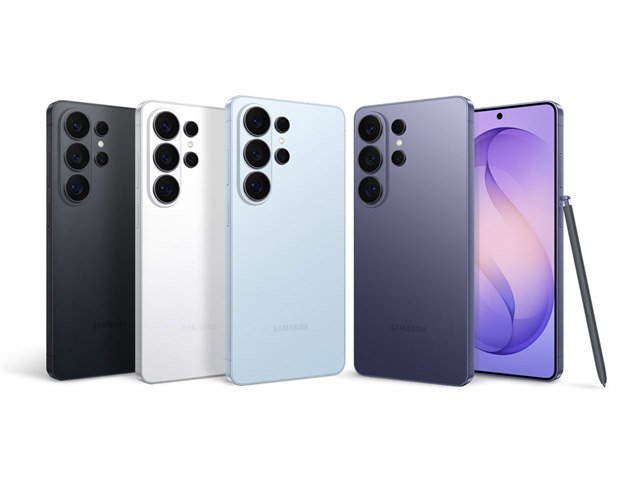
According to a report from South Korean media outlet *Sisa Journal-e*, Samsung Electronics is actively researching ways to integrate a Samsung liquid cooling system into its upcoming Samsung Galaxy smartphone lineup. The goal is to aggressively combat thermal throttling and boost overall device performance during heavy AI and gaming workloads.
Industry insiders leak that Samsung has formed a specialized research team dedicated to active phone cooling at its Production Technology Research Institute. The team is currently developing both air-cooled and liquid-cooled technologies, with the explicit goal of applying them directly to future Galaxy flagship models.
Generally, true liquid cooling dissipates heat through continuous liquid circulation, while active air cooling relies on tiny internal fans to draw in cooler outside air. While fans can drop surface temperatures rapidly, they introduce annoying fan noise and add bulk to thin chassis designs. Mobile hardware constraints, such as strict waterproofing standards, also make it incredibly difficult to route processor heat directly into liquid cooling chambers. As a result, most current mobile cooling systems rely on a hybrid dual-stage approach—utilizing air cooling first, backed by liquid cooling elements.
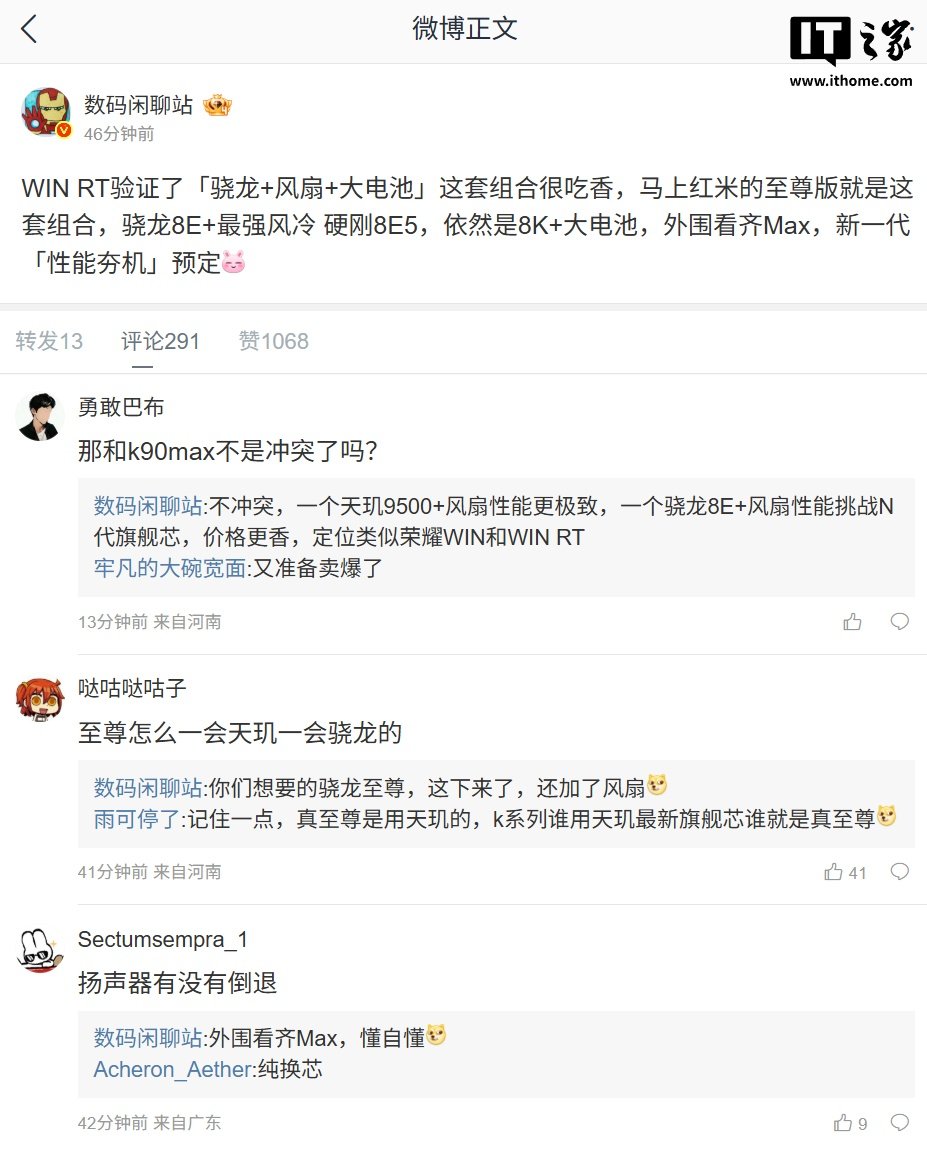
This isn’t entirely new for the industry. Several gaming-focused smartphone brands, such as Nubia, have shipped devices featuring integrated fans alongside liquid chambers. Mainstream brands like OPPO and iQOO have also toyed with tiny built-in cooling fans in their gaming spin-offs. However, Park Min, a senior researcher at Samsung’s Production Technology Research Institute, noted that Samsung is aiming for a pure liquid-cooled solution. ‘Our primary research direction is to avoid fans entirely. Fan-assisted systems always run into noise limits, so we decided to focus purely on the liquid cooling mechanism itself,’ Park explained.
Thermal management has become a major battlefield as on-device AI models and high-end mobile gaming push mobile silicon to its limits. Samsung faced significant backlash in 2022 over the Galaxy S22 series’ Game Optimization Service (GOS), which aggressively throttled performance to control heat. Similarly, Apple dealt with complaints regarding severe overheating on the iPhone 15 Pro and 16 Pro models post-launch, which were eventually patched via software. Park Min concluded, ‘A smartphone’s CPU and power modules suffer dramatic performance drops as temperatures rise. Heat and performance are deeply connected, and excessive heat is a primary cause of component failure. Apple is already filing patents for active cooling, and I believe we are not far from true commercial adoption.’