OPPO’s new OPPO Reno16 Pro is leaning hard into visual identity, and an early hands-on look suggests the phone may stand out less for raw spec-sheet one-upmanship and more for the way it tries to make industrial design feel playful again.
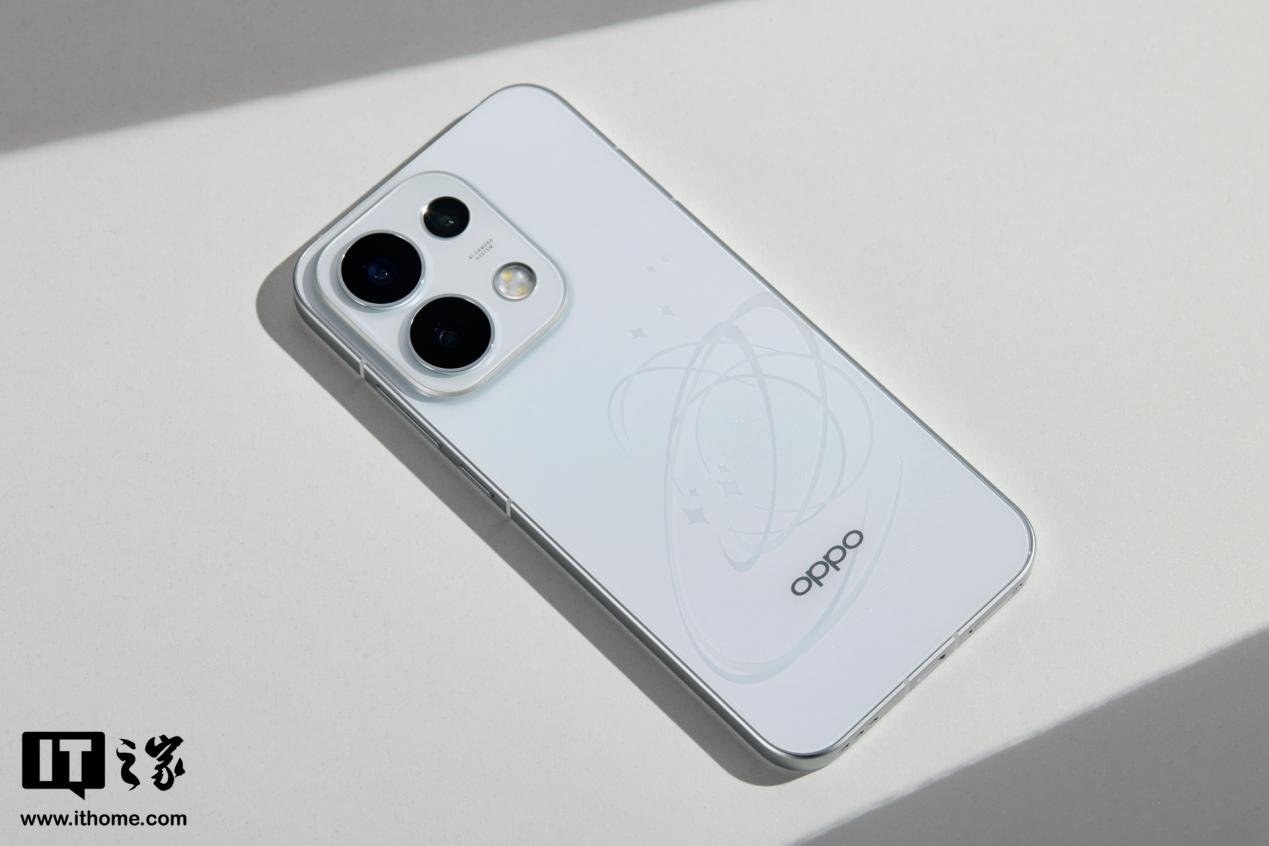
The featured version shown in the hands-on is the “Fluttering Star” finish, built around what OPPO describes as a 3D floating design. On the rear panel, a planet-like graphic appears to hover above the glass surface, creating a layered effect that shifts with viewing angle. The surrounding star-ring detail and fine reflective particles give the back panel more depth than a standard printed texture, making it feel closer to a light visual illusion than a simple color treatment.
OPPO says the effect comes from its self-developed 3D ice-transparent floating process, which applies embedded micro- and nano-printing techniques to a consumer phone chassis. In practical terms, that means the back of the Reno16 Pro is trying to do something many recent smartphones avoid: look expressive instead of neutral. Whether someone loves it or finds it flashy, it is at least distinctive, and that counts for a lot in a crowded mid-to-upper smartphone market.
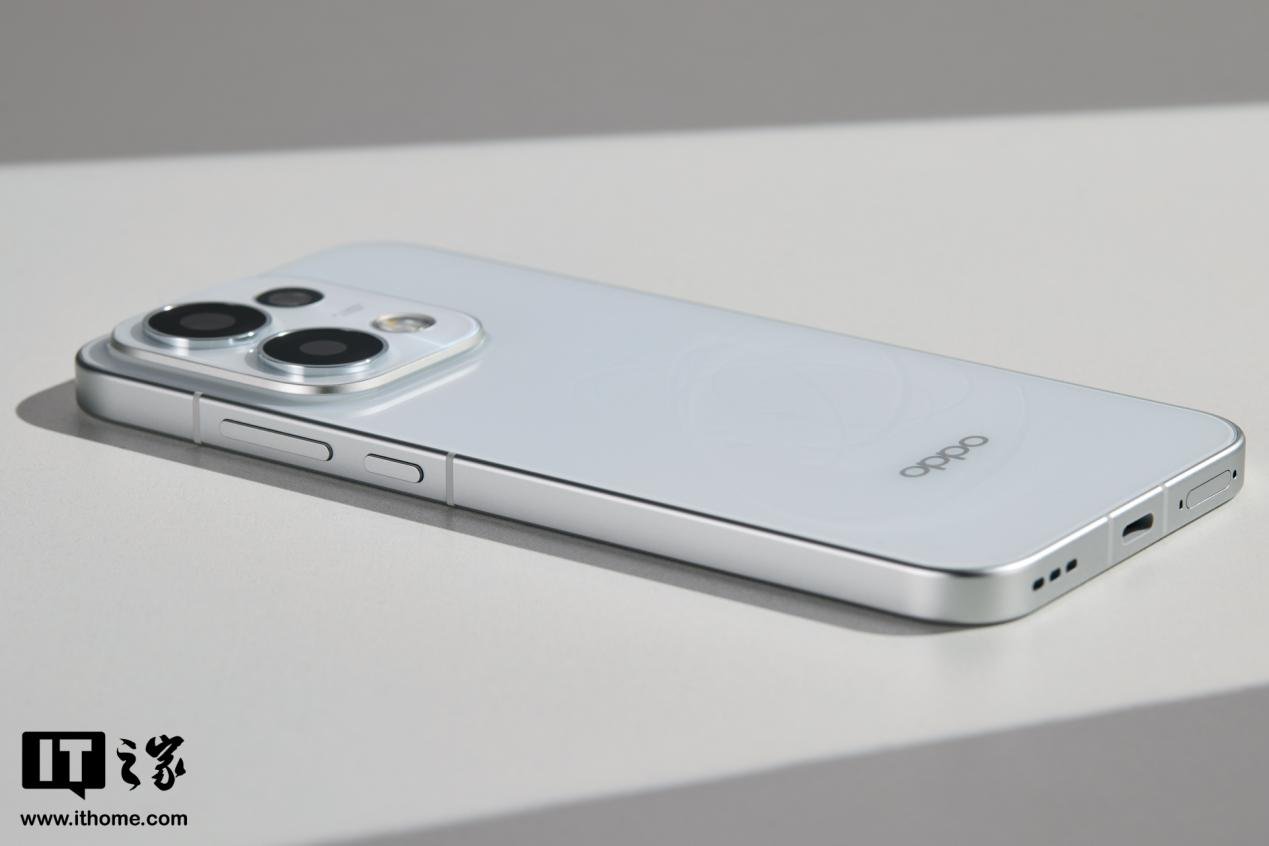
The rest of the hardware design keeps the presentation clean. The camera module is integrated into a unified cold-carved glass panel, with two larger lenses, a smaller third lens, and the flash laid out in an orderly vertical arrangement. Combined with the glossy transparent finish, the module looks more refined than bulky. Around the edges, the rear panel curves gently into an aluminum alloy frame with a matte sandblasted finish, giving the phone a more balanced in-hand feel.
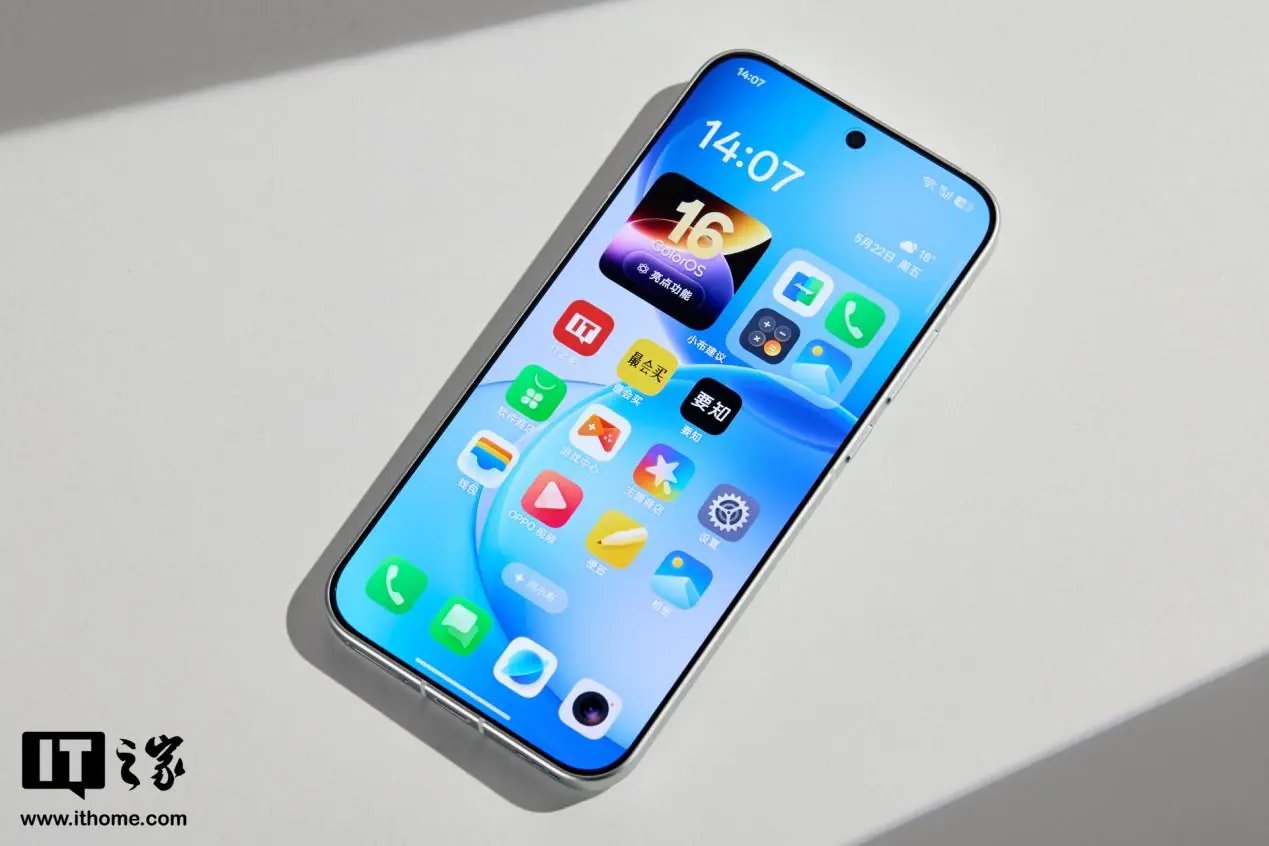
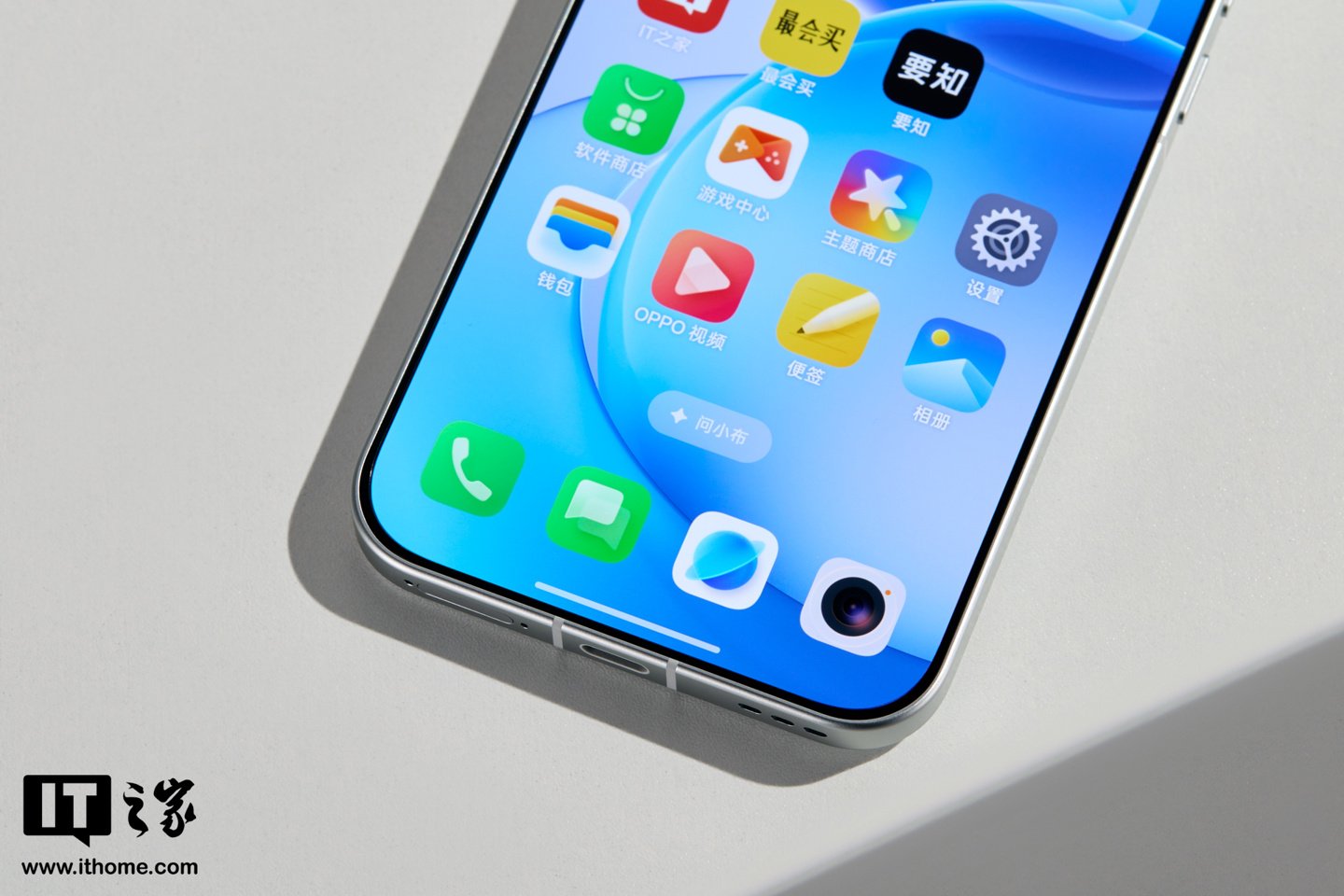
On the front, the Reno16 Pro uses a 6.78-inch display with a resolution of 2640 x 1216, a 120Hz refresh rate, 10-bit color, and peak global brightness that OPPO rates at up to 3600 nits. The bezels appear very slim, helping the screen feel immersive without forcing a dramatic curve. That display-first look is important for a device that clearly wants to appeal to style-conscious buyers, especially younger users.
The body is also relatively restrained in thickness for a phone that is trying to combine polished design with flagship-like presentation. The hands-on measurement cited the device at roughly 7.9mm thick and 209g in weight, which should keep it substantial without feeling overly heavy. OPPO also includes an 80W charger, cable, SIM eject tool, documentation, and a transparent protective case in the box.
Overall, the hands-on framing positions the Reno16 Pro as a phone that wants to win on mood, finish, and recognizability as much as on features. In a segment where many devices are technically strong but visually interchangeable, that may end up being the Reno16 Pro’s biggest advantage.