Over the past few years, smartphone brands have undergone a significant shift in their camera strategy. While the one-inch sensor was once hailed as the ultimate standard for mobile imaging, many manufacturers are now turning their attention to a new technical solution: LOFIC technology.
LOFIC, which stands for Lateral Overflow Integration Capacitor, originated in automotive camera systems and has recently been adapted for flagship smartphones. Brands like Honor, Huawei, and Xiaomi have already begun implementing LOFIC sensors, and industry leaks suggest that major global players—including Sony, Samsung, and Apple—are preparing to integrate the technology into their upcoming devices.
Understanding How LOFIC Works
The primary goal of LOFIC technology is to dramatically improve the dynamic range of smartphone cameras. When shooting in tricky environments like harsh backlighting or high-contrast night scenes, traditional sensors often lose details in the highlights, resulting in overexposed and washed-out images.
To solve this, LOFIC places a high-density capacitor next to the photodiode in each pixel. You can think of a standard pixel as a bucket that holds photoelectrons (light). Once the bucket is full, any extra water spills over and is lost. With a LOFIC sensor, an auxiliary bucket (the capacitor) is placed next to the main one. When the main pixel saturates, the overflowing photoelectrons are captured and stored in the capacitor. During image processing, the data from both capacitors are merged, creating an image with a vastly superior high dynamic range without highlight clipping.
Current Adoption and Future Trends
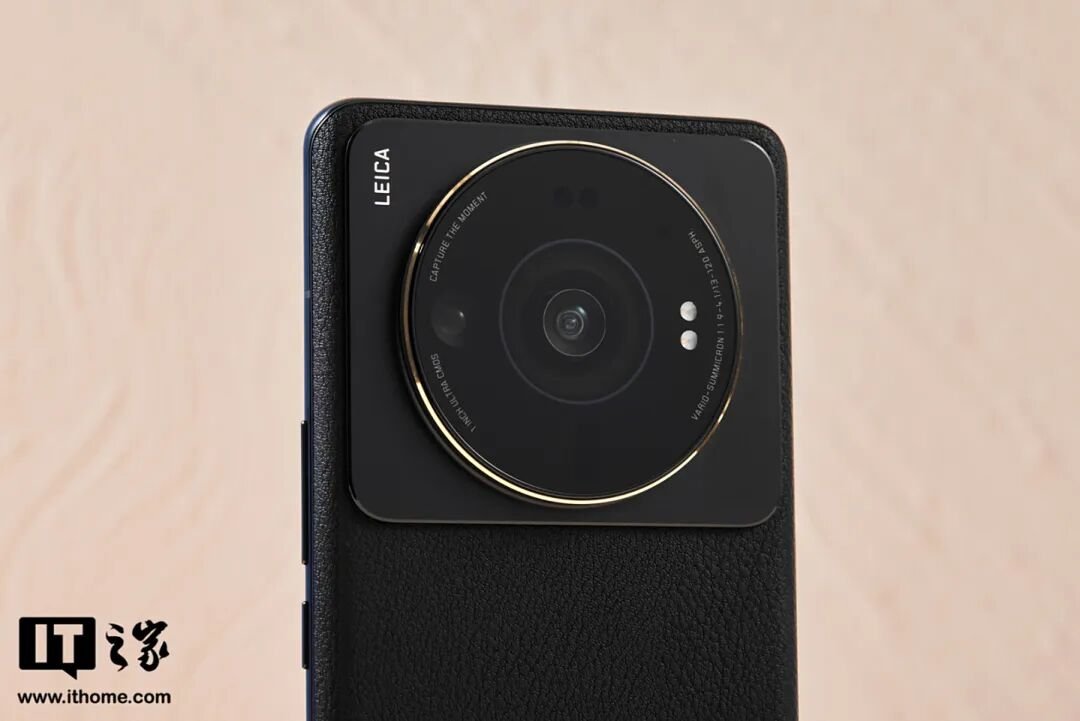
Honor was the first to commercialize this technology in early 2024 with the launch of the Honor Magic6 Ultimate, which achieved a dynamic range of 15EV. Huawei followed suit with the Pura 80 Ultra, utilizing a one-inch LOFIC sensor with a 16EV dynamic range. Xiaomi’s 17 Ultra also highlighted its third-generation LOFIC integration to capture rich detail in challenging lighting conditions.
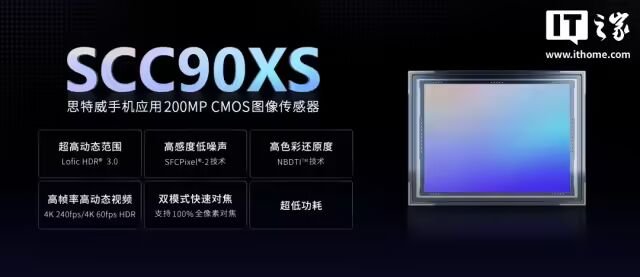
Upstream suppliers are now paving the way for wider adoption. OMNIVISION and other component makers are introducing multiple LOFIC-enabled sensors to make the technology more accessible for mid-tier flagships. Sony’s 1/1.28-inch LYT-838 and Samsung’s upcoming 200MP HP6 sensor are both set to feature LOFIC capabilities. Even Apple is reportedly testing a custom CMOS sensor utilizing LOFIC, aiming for an unprecedented 20 stops of dynamic range by 2027.
As the smartphone industry shifts away from simply increasing sensor sizes, LOFIC technology is emerging as the new battleground for mobile imaging, offering a robust solution to multi-frame HDR ghosting while pushing the boundaries of what a phone camera can capture.