TrendForce is warning that global smartphone production could see a sharp pullback in 2026, with the research firm currently forecasting a 16.2% year-over-year decline.
The forecast is not only about weak consumer demand. TrendForce says the bigger pressure point is the continuing rise in memory prices. If memory semiconductor prices keep climbing and fail to stabilize, phone makers may have to keep adjusting retail prices to pass those costs downstream. In that more extreme scenario, production could shrink even further.
According to the firm’s latest data, global smartphone production reached about 284 million units in the first quarter of 2026. That was already down roughly 1.7% from the same period last year, but TrendForce says the number was supported by two temporary cushions: some brands still had access to lower-cost memory inventory, and some consumers upgraded earlier than usual.
Those buffers are now fading. As the industry moves into the second quarter, low-cost memory stockpiles are being used up, component costs are still rising, and the earlier wave of panic-style buying is cooling off. That combination is forcing many phone brands into a production adjustment period.
For U.S. readers, the practical point is that higher component costs do not stay invisible for long. If manufacturers face more expensive DRAM and storage, they generally have only a few choices: raise phone prices, reduce margins, shift product mix, or build fewer devices.
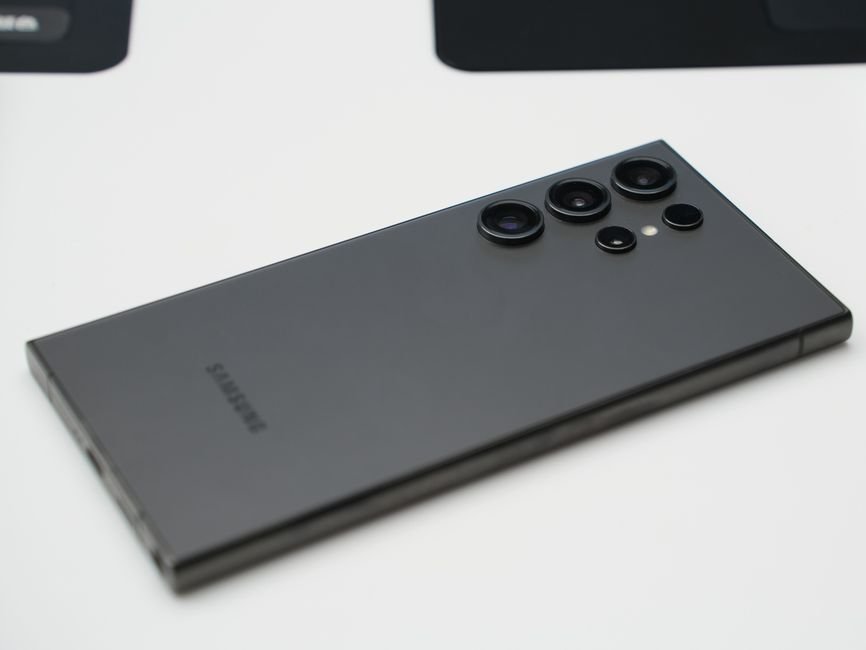
TrendForce believes the pressure will not hit every company equally. The firm says Samsung, Apple, and Huawei may still be able to grow against the broader market trend. These companies have stronger brand control, higher-end product portfolios, and more room to absorb cost swings or pass them on through premium pricing.
Brands that rely more heavily on mid-range and low-end models may face a tougher year. TrendForce specifically points to companies such as OPPO, Xiaomi, and vivo as being under greater pressure because affordable phones are more sensitive to component cost increases and price changes.
That matters because the low-to-mid-range Android market depends heavily on tight bill-of-materials control. A small jump in memory or storage cost can make a budget phone harder to price competitively, especially in markets where buyers are already cautious.
The forecast also suggests that 2026 may not be a simple “AI phone boom” year. Even if brands keep promoting on-device AI features, better cameras, larger batteries, and more powerful chips, hardware supply costs can still limit how many devices companies are willing to produce.
TrendForce’s full report frames the first quarter as relatively stable compared with what may come next. The firm expects the second quarter to show a more obvious decline as memory cost pressure becomes harder for smartphone makers to avoid.
In short, the 2026 phone market may be shaped less by flashy launch events and more by supply-chain math. If memory prices remain high, the global smartphone production outlook could stay under pressure even while leading brands continue to compete aggressively at the premium end.