A new leak suggests OPPO, Vivo, and Honor are testing faster smartphone screens as the next round of Android performance phones starts to take shape.
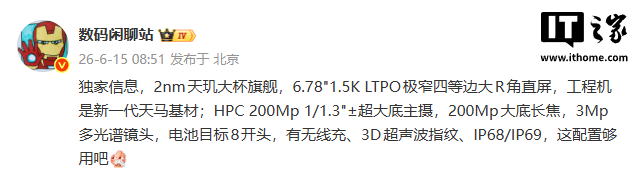
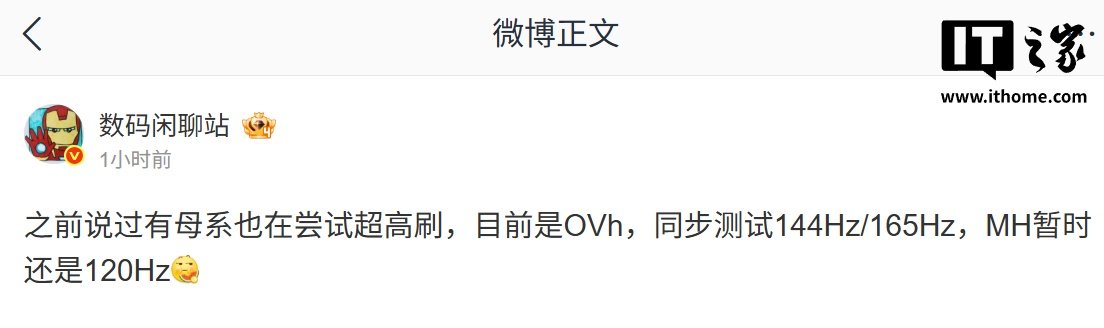
Chinese tipster Digital Chat Station said today on Weibo that three manufacturers, referred to as “OVh,” are currently testing 144Hz smartphone displays and 165Hz smartphone displays. Based on the tipster’s previous wording and comments from users, “OVh” is widely understood to mean OPPO, Vivo, and Honor.
The same post said two other brands, described as “MH,” are still working with 120Hz screens. In the context of the discussion, users interpreted those letters as likely referring to Xiaomi and Huawei, though the post did not name the companies directly.
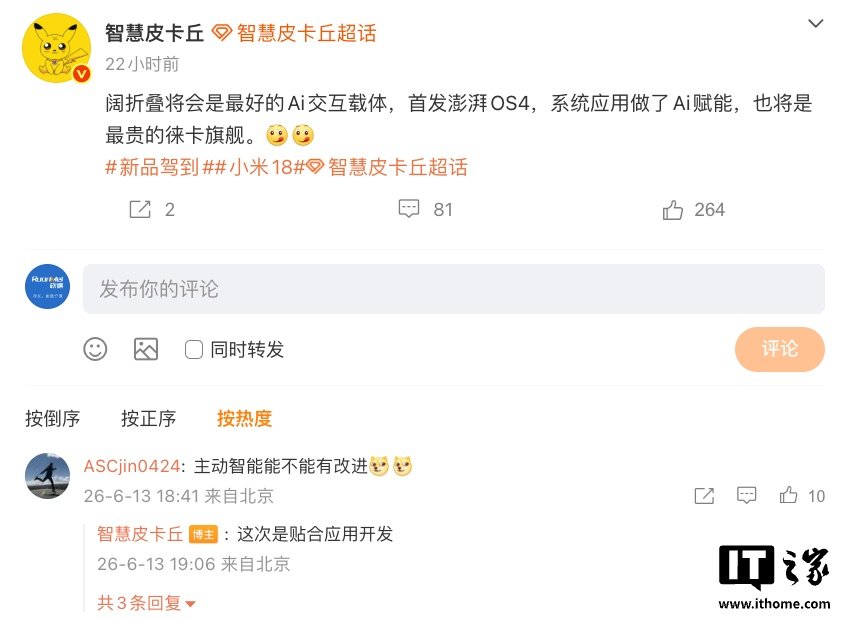
The detail that matters most is how these higher refresh rates may actually be used. When a user asked whether the faster refresh rate would work system-wide, the tipster replied that daily use is still generally 120Hz, while ultra-high refresh rates are mainly supported in games.

That makes the rumored upgrade a little more targeted than it might sound at first. For everyday scrolling, messaging, and app switching, most users may still see the familiar 120Hz experience. The benefit of these high refresh rate displays would likely show up most clearly in supported games, where higher frame rates can make motion look smoother and controls feel more responsive.
IT Home previously cited the same tipster saying that an upcoming phone from an unnamed manufacturer uses a roughly 6.89-inch OLED straight screen with about 2K resolution and an ultra-high 185Hz refresh rate. The device is also said to be testing a four-sided equal-bezel design.
The exact model has not been confirmed. Some users in the comment section speculated that the phone could belong to Honor’s WIN series, but that remains only a guess for now.
For phone makers, pushing from 120Hz to 144Hz, 165Hz, or even 185Hz is another way to separate performance-focused models from standard flagships. The challenge is that higher refresh rates need real game support, careful power management, and display tuning that does not hurt battery life.
For buyers, the practical takeaway is simple: 144Hz smartphone displays and 165Hz smartphone displays may become more common on gaming-leaning Android phones, but they probably won’t replace 120Hz as the everyday default experience just yet.