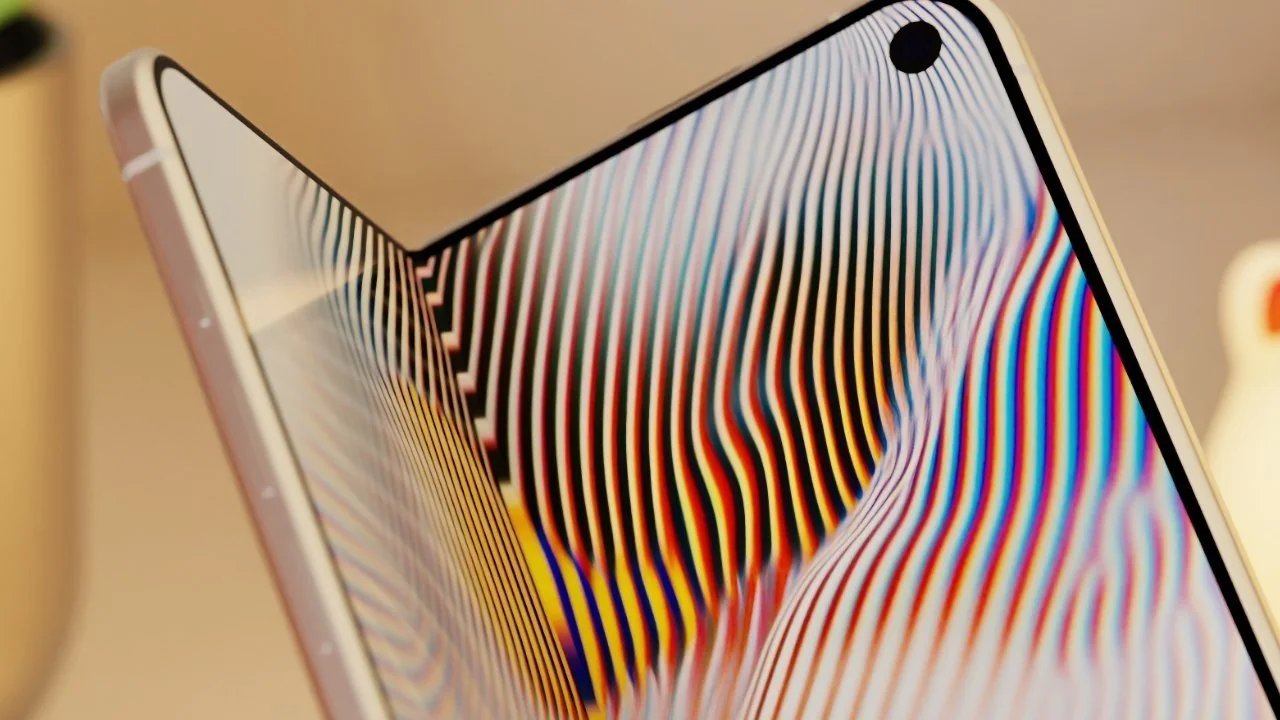
Samsung may be making a bigger materials change for its first Samsung wide foldable phone than earlier test units suggested.
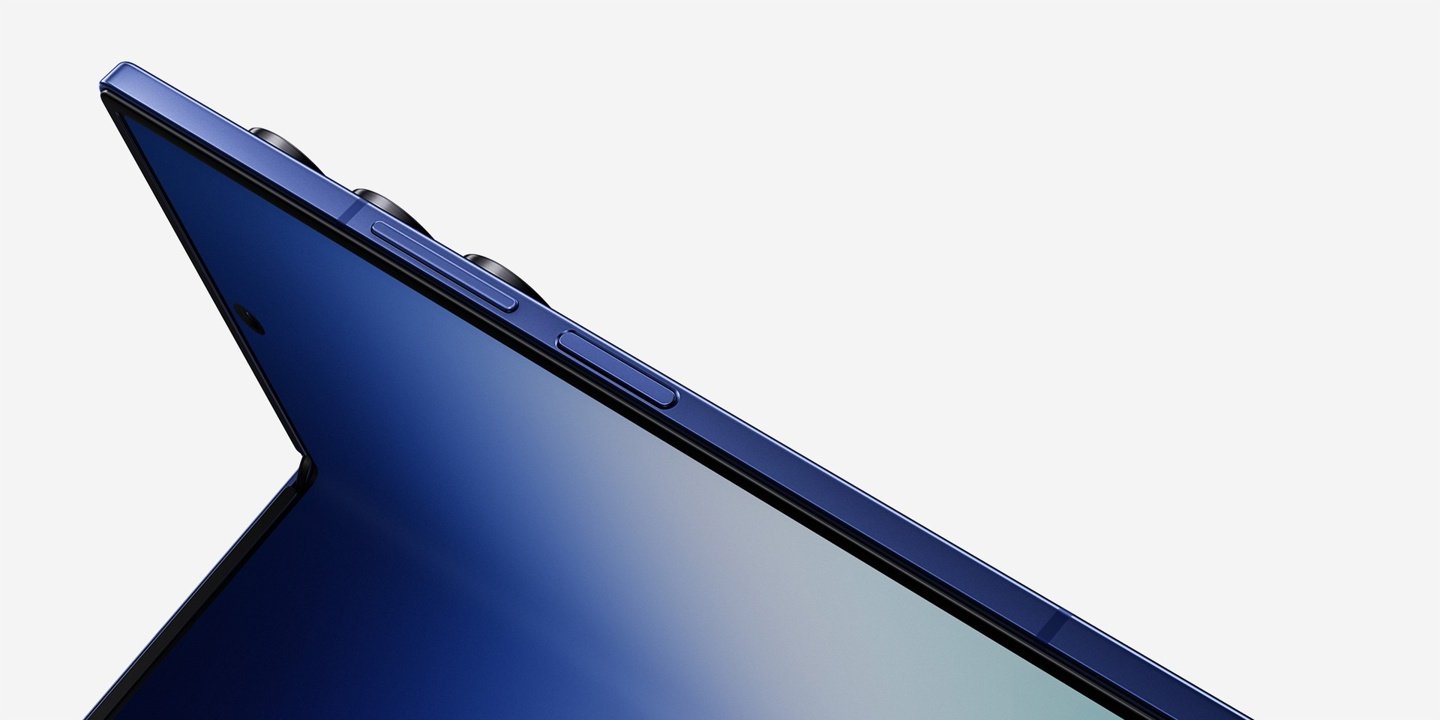
According to a report from ZDNET Korea, Samsung Electronics has increased the thickness of the UTG glass cover on the OLED display for its first wide-style foldable smartphone. The device is expected in the second half of 2026 and may be marketed as the Galaxy Z Fold8 Wide or a related Galaxy Z Fold8 model.
The report says Samsung had previously tested 30μm ultra-thin glass on the device, but has now moved to 60μm. That’s a notable jump, especially for a foldable phone where the display cover has to balance flexibility, durability, and crease control at the same time.
Thicker UTG glass can help make the folding crease less visible. It can also improve resistance to outside impact, which matters for a large-screen foldable that’s likely to be opened and closed constantly in everyday use.
There’s a trade-off, though. The thicker the glass gets, the higher the risk of cracking during folding can become. That means Samsung has to tune the display stack carefully rather than simply making the glass thicker and calling it done.
The Korean report also compared Samsung’s recent foldable lineup. In Samsung’s 2024 range, the standard Galaxy Z Fold6 used 30μm UTG, while the FE version used 45μm glass.
For the 2025 Galaxy Z 7 series, the larger Galaxy Z Fold7 moved to 45μm UTG, while the smaller Galaxy Z Flip7 used 50μm. This year’s regular Galaxy Z Fold8 is said to stay at 45μm, which would make the rumored 60μm glass for the Galaxy Z Fold8 Wide stand out even more.
The reason appears to be the wider folding form factor. A broader foldable design may put different demands on the display cover, and a thicker glass layer could help Samsung reduce the crease while still giving the screen better protection from pressure and bumps.
Samsung has not officially confirmed the final name, specs, or launch timing for this model. For now, the report points to a second-half 2026 release window and frames the device as Samsung’s first wide-format foldable smartphone.
If the information is accurate, the Samsung wide foldable phone could use display durability as one of its key selling points. The real question will be whether Samsung can reduce the crease without making the folding screen more fragile in daily use.