Nothing co-founder and CEO Carl Pei said on X on June 12 that memory has now become the most expensive component inside a smartphone, highlighting how sharply the supply chain has shifted for phone makers.
According to Pei, memory is now more expensive than the processor and more expensive than the display. In some cases, he said it can account for more than half of a phone’s Bill of Materials, or BOM.
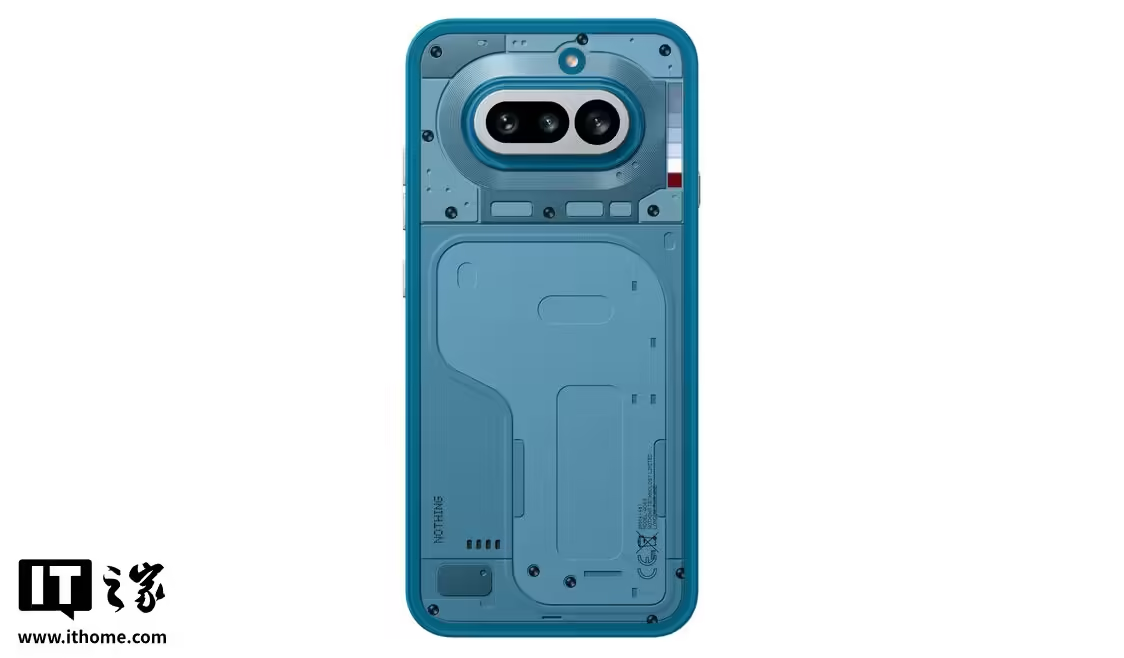
Pei pointed to the Nothing Phone (4a) as an example. From the time the company decided to start the project to the time the product officially launched, the cost of memory had already doubled. Since the launch, he said, memory prices have doubled again.
He also noted that since February, newly released phones have generally become as much as $100 more expensive than their previous generations. That reflects not only higher component costs but also tighter purchasing conditions across the industry.
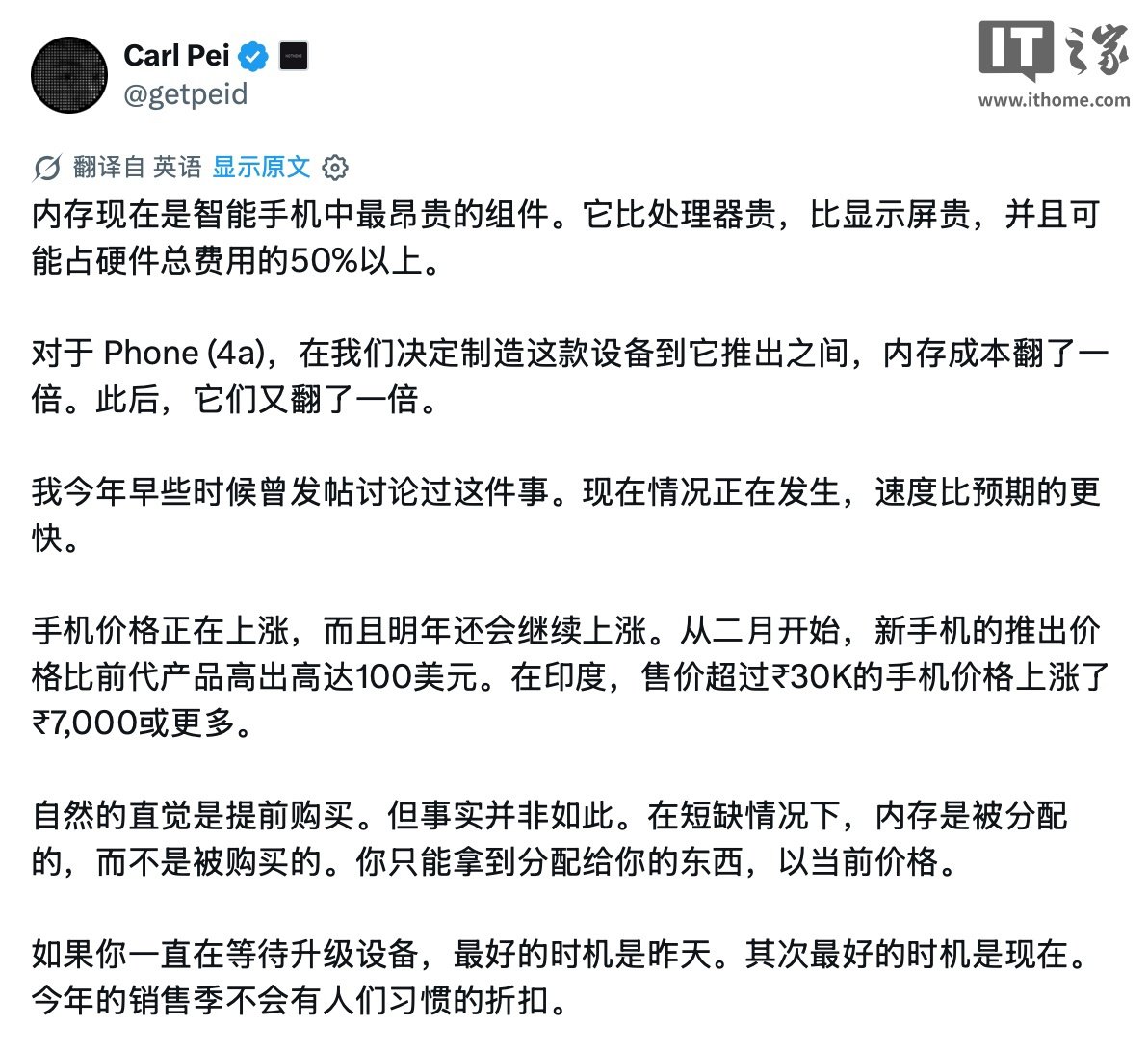
Pei said memory is being allocated by quota during the shortage rather than purchased freely on the open market. In other words, manufacturers can only buy the amount chip suppliers assign to them, and they must pay the current market price for that allocation.
For consumers who have been waiting to upgrade, Pei’s message was blunt: the best time was yesterday, and the next-best time is now. He warned that during this year’s major shopping seasons, buyers may find it much harder to see the kind of aggressive discounts that used to be common.
The comments come as broader memory-market reports have also pointed to continuing pressure. Previous industry discussions have noted that memory price increases are affecting phone sales expectations, while DRAM supply growth may still fall short of demand.
If Pei’s view is accurate, smartphone memory costs could remain one of the biggest factors shaping phone pricing through the next product cycle. That would make RAM and storage configurations more than a spec-sheet detail — they may become a direct driver of retail prices.