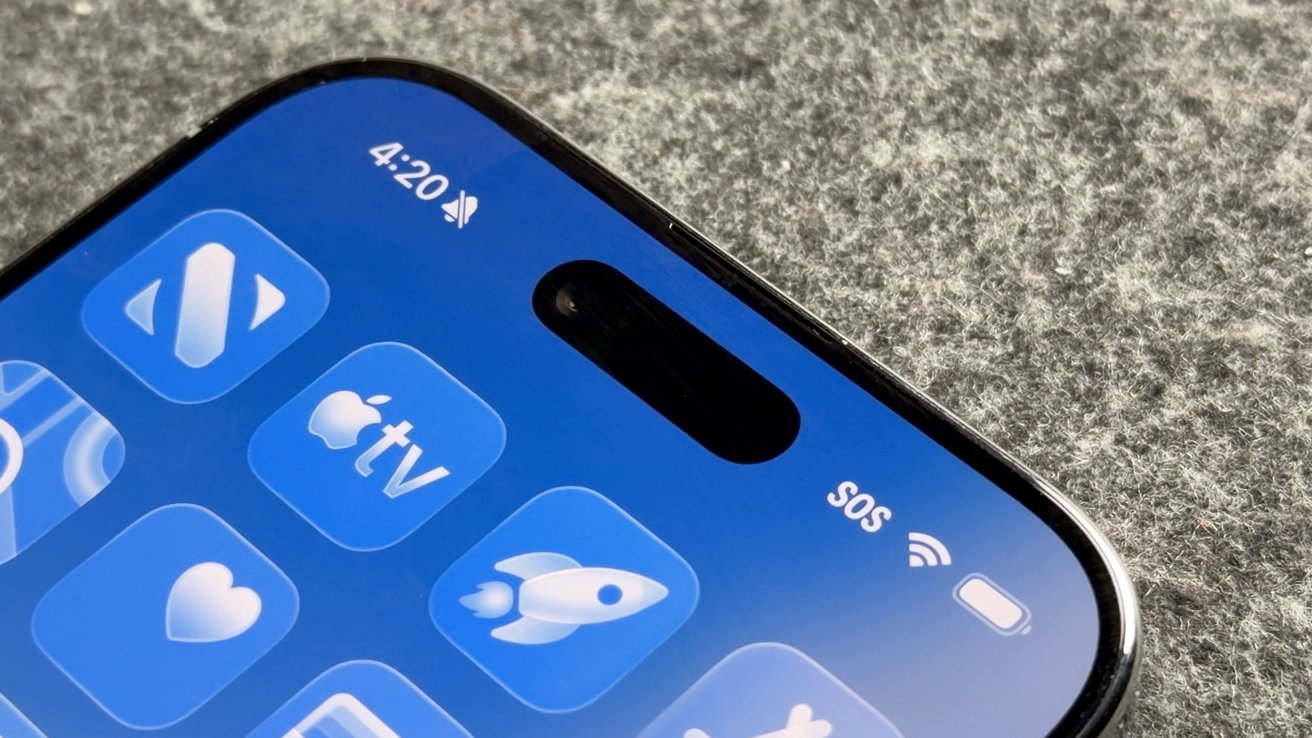
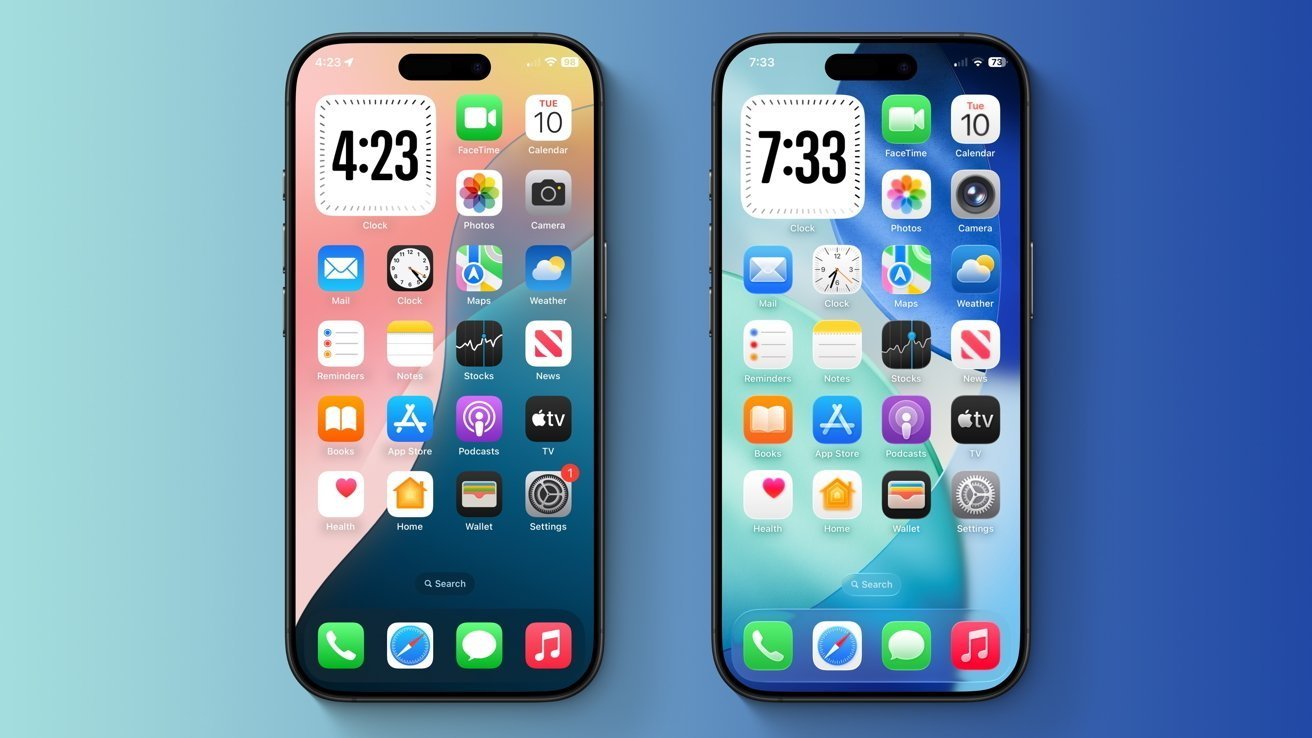
Apple doesn’t appear ready to back away from Liquid Glass. A new report says the semi-transparent design language introduced with iOS 26 is expected to expand even further in iOS 27, and developers may soon lose the option to delay support for it.
According to AppleInsider, Apple recently held a three-day internal workshop in New York where developers discussed the future of the company’s interface design. People who attended said Apple’s design team was surprised that some developers still hoped the company would drop Liquid Glass altogether. Instead, Apple reportedly made it clear that the design system is moving forward and will continue spreading across more of its ecosystem.
The most important takeaway is what this could mean for third-party apps. The report says Apple plans to require all apps to align with the new rounded, translucent visual language in a future software cycle. Once Xcode 27 arrives, developers may no longer be able to rely on the temporary grace period that let older app designs keep running without a full visual update.
If that happens, app makers would need to redesign their interfaces so they match Apple’s latest standards more closely. That could be a big workload for teams that have already invested in stable app layouts, especially since criticism of Liquid Glass has never fully gone away. Since its debut in 2025, some users have argued that the effect hurts readability and makes screen content harder to parse at a glance.
The report also says Apple may eventually add more flexibility. Industry chatter suggests that at WWDC 2026, the company could introduce additional developer controls as well as a system-wide intensity setting for regular users. That would let people tone the transparency effect up or down instead of being locked into a single look.
There had been speculation that Apple might soften its commitment to the design after the company’s former head of human interface design left for Meta. This latest report suggests the opposite: Apple still sees Liquid Glass as a long-term visual direction, and iOS 27 may be the point where that decision becomes much harder for developers to ignore.