Apple’s WWDC26 keynote did not revolve around a dramatic new hardware launch. Instead, the company focused on a long list of refinements: fixing complaints around last year’s Liquid Glass design, rebuilding a search experience many users found frustrating, upgrading Playground features, and showing a more complete version of its AI work.
The most closely watched part was still Siri AI. Apple promised a much smarter Siri two years ago, but the feature took far longer than expected to arrive. At WWDC26, Apple finally showed the redesigned voice assistant in a way that looked much closer to real-world use.
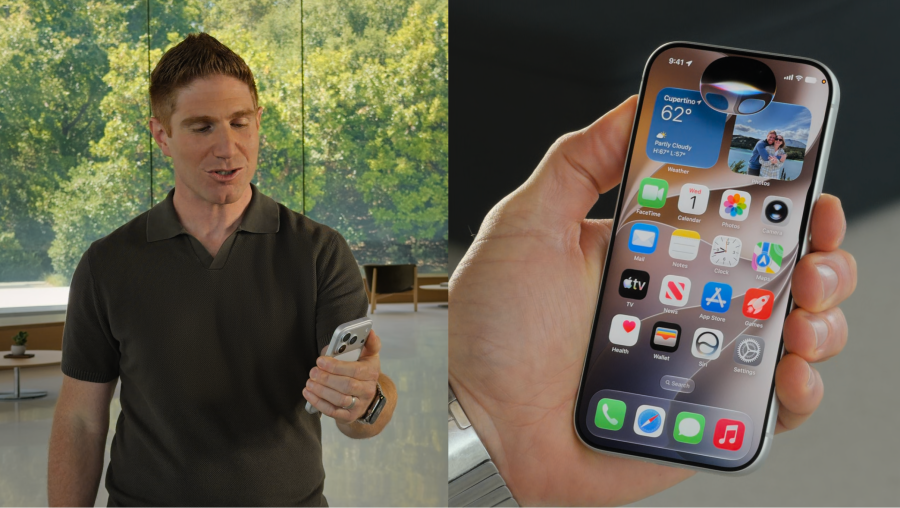
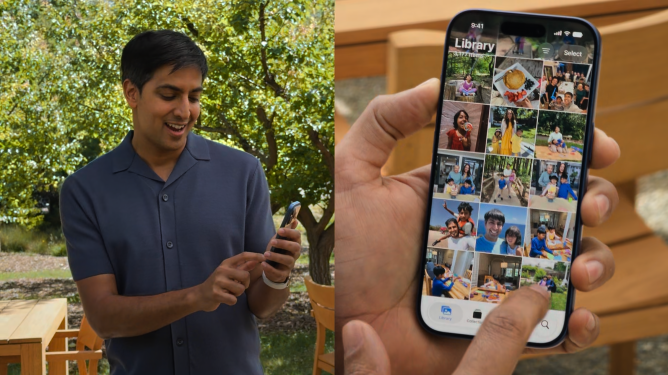
What stood out was not only what Apple announced, but how it chose to present the features. During several Apple Intelligence demos, the video showed staff holding an iPhone, tapping buttons, speaking commands, and then displaying the phone’s live response on a second camera view.
These were not live stage demonstrations, which can easily go wrong during a keynote. They were still pre-recorded videos. But compared with Apple’s 2024 WWDC presentation, the format gave viewers more evidence that the features were actually running on real devices rather than existing only as polished concept footage.
That difference did not go unnoticed. Many viewers compared this year’s presentation with the 2024 keynote, when Apple introduced Apple Intelligence and the upgraded Siri through highly produced promotional clips. The problem was that many of the features shown in those clips did not reach users in the form Apple originally suggested.
At the time, Apple said users with the iPhone 15 Pro and later models, along with devices powered by M1 chips or newer, would soon be able to use the new AI capabilities. By March 2025, however, Apple acknowledged in an interview with Daring Fireball that turning those showcased features into shipping software had taken much longer than expected.
Not long afterward, the Cupertino company was sued in federal court over allegations that its 2024 presentation had misrepresented what the software could actually do. Apple has long built its reputation around products that feel stable, polished, and ready for normal users, so the lawsuit created a real reputational risk.
Last month, Apple reached a $250 million settlement in the case, while denying any wrongdoing. Against that background, the WWDC26 keynote seemed designed at least partly to avoid repeating the same mistake.
Apple still used plenty of polished product videos this year, including clips showing Siri voice adjustments and upgraded speech-to-text features. But for many AI functions, it leaned on this more hands-on, near-real-use demo style. The message was clear: Apple wanted users, developers, and critics to see that these functions can run on actual hardware and are not just promises for a distant future.
The company also emphasized that users will not necessarily need to buy the newest iPhone to use the new capabilities. Apple says the new Siri will arrive with iOS 27 and support the iPhone 15 Pro, iPhone 15 Pro Max, the full iPhone 16 lineup, and later models. With the iPhone 17 now Apple’s latest generation, many people who upgraded within the past year or two should be covered.
That matters because Apple originally promised AI support for the iPhone 15 series two years ago. By not limiting the new features only to the newest phones, Apple may also be trying to reduce frustration among users who bought recent devices expecting those capabilities.
Apple also listed broader hardware support across its ecosystem. The new features are planned for the iPad mini with the A17 Pro chip, iPad models with M1 or later chips, the MacBook Neo with A18 Pro, Macs with M1 or later chips, Apple Vision Pro, Apple Watch Series 10 and later, and Apple Watch Ultra 2 and later. Apple Watch SE 3 can also use the new capabilities when paired nearby with an iPhone that supports Apple Intelligence.
For U.S. readers, the key takeaway is that WWDC26 was not just another AI promise cycle. Apple appears to be shifting from cinematic “vision” videos toward more grounded feature demonstrations, especially after the delays, criticism, lawsuit, and settlement tied to its earlier Apple Intelligence rollout.