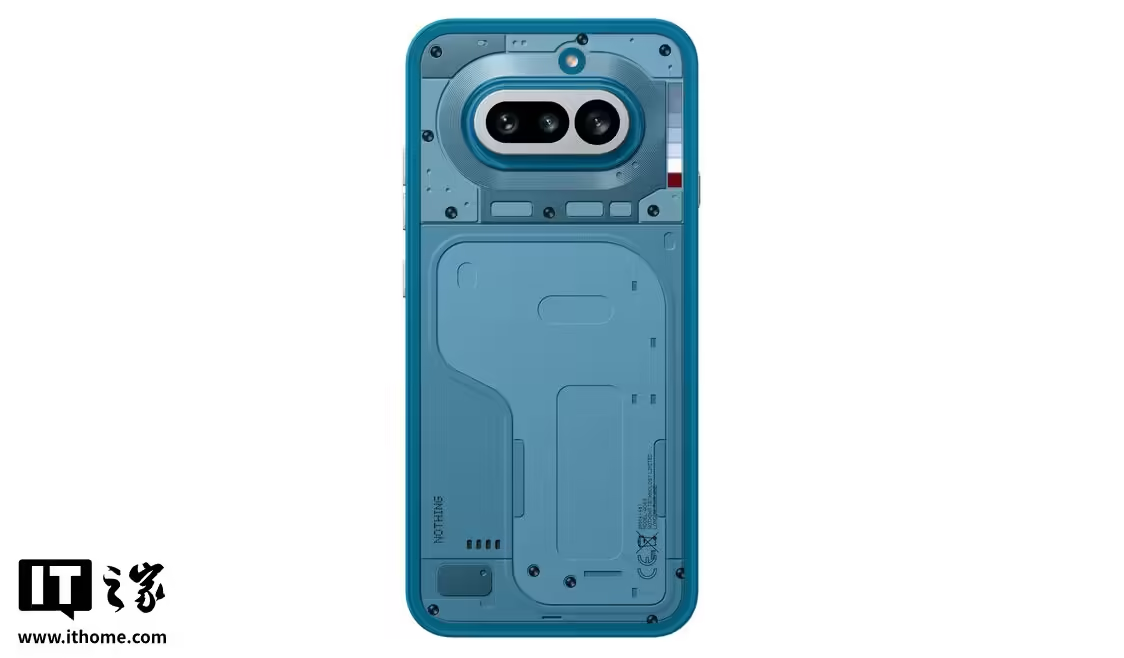
Dreame’s ecosystem brand Eclix is preparing to enter the smartphone market with a high-end device built around AI services rather than a conventional app-first experience. According to comments attributed to Eclix brand lead Yu Lei, the company expects to unveil its first-generation Eclix AI phone in September 2026 and bring it to market before China’s Singles’ Day shopping season.
The project is being positioned as a premium phone. The first model is expected to cost more than 5,000 yuan, and the core development team is said to be close to completing its research and development work. The phone is now moving toward whole-device testing, which suggests the product has moved beyond an early concept stage.
Yu Lei previously served as vice president of Gionee Group and joined MOVA in March 2026 as head of the phone and AI hardware business. He said Eclix will continue as a Dreame ecosystem brand rather than remaining under MOVA. That makes the phone part of Dreame’s broader push into smart hardware, not just a one-off side project.
For the first generation, Eclix is not trying to ship at mass-market scale. Yu said the company plans to control shipments at around 50,000 to 100,000 units, with JD.com handling the initial online launch. The target audience is a smaller group of early adopters and digital enthusiasts who are more willing to experiment with a new kind of phone experience.
That cautious rollout is intentional. Yu said the company does not want the first generation to chase huge sales volume. Instead, Eclix wants to use a smaller delivery cycle to polish the product and build a stronger foundation for later versions. For a new AI phone, that approach may matter, because the software and service model will likely need iteration after real users start relying on it.
Demand, at least through Dreame’s existing sales channels, appears to be stronger than the planned first batch. Yu said current sales-side orders have already surpassed 100,000 units. That figure does not necessarily mean final retail demand will match it, but it does show that channel partners are watching the project closely.
The phone is being developed in deep cooperation with a leading large-model company in China. Yu said the partner will bring its own ecosystem resources, and several applications have already completed integration work. The business model will center on subscriptions for AI computing services, rather than only hardware margin.
The service model sounds closer to how cloud AI products are already priced. Users would prepay, and billing would be calculated according to the tokens consumed when they use different large models. Yu compared the idea to a carrier-style data billing system, but applied to AI model usage instead of mobile traffic.
The most interesting claim is that the first Eclix AI phone is being designed around a “no app” concept. In practice, however, Eclix still has to deal with the existing mobile ecosystem. Yu said the biggest compromise for now is what he called an “escape window” into the old world: the phone still needs a fallback traditional app interface for some major apps and banking apps.
That limitation is realistic. Super apps such as WeChat and financial apps are difficult to replace or fully rework around an AI-native interface. Yu said Eclix will not force those companies to adopt a new native model immediately. Instead, the first-generation product keeps compatibility options in place, even if the company sees that as a legacy element from the older smartphone era.
Dreame has already shown signs that it wants to treat phones as part of a broader AI hardware strategy. At its Dreame Next 2026 event in San Francisco, the company displayed AURORA phones, including the modular Aurora Nex LS1. That model can connect to a 115mm-equivalent telephoto lens, an action camera, a fan, a satellite communications module, and an “AI agent module.”
The AURORA phone line is expected to launch officially in the fourth quarter of 2026, with flagship, modular photography flagship, and high-end custom versions. Reported pricing spans from the 10,000-yuan level to as high as 100,000 yuan for luxury versions. Against that backdrop, Eclix looks like another branch of the same larger bet: phones may become platforms for AI agents, modular accessories, and paid model services.
For U.S. readers, the bigger takeaway is not whether this specific phone ever launches globally. The more important trend is that Chinese hardware companies are now experimenting with phones where AI services are not just a feature in the settings menu. In the Eclix case, Dreame appears to be testing whether a phone can be sold as a gateway to recurring AI services and a more agent-driven interface.
There are still major unknowns. Eclix has not yet shown how the no-app experience will work in daily life, how pricing for AI usage will feel to consumers, or whether users will accept a phone that bills AI activity somewhat like mobile data. But if the September timeline holds, the first AI phone from Eclix should give the industry a clearer look at how far this idea can go beyond concept demos.