Repair site iFixit recently visited the Huaqiangbei electronics district in Shenzhen, China, where it bought high-copy versions of the Apple Watch Ultra 3, AirPods Max 2, and AirPods Pro 3. The team then brought the devices back to its studio for a closer iFixit teardown and hands-on testing.
In the video, iFixit explained that Huaqiangbei is one of the world’s major hubs for electronics repair parts. It also has a visible market for imitation products. Some of these devices can look surprisingly close to the real thing from the outside, but careful inspection—or a teardown—quickly exposes the gap between the copy and the genuine product.
When staff member Shahram Mokhtari picked up the counterfeit Apple Watch Ultra 3 and started using the system, he found an immediate problem: tapping any app on the watch face only opened Night Mode. The interface turned red, but the corresponding apps did not actually launch.
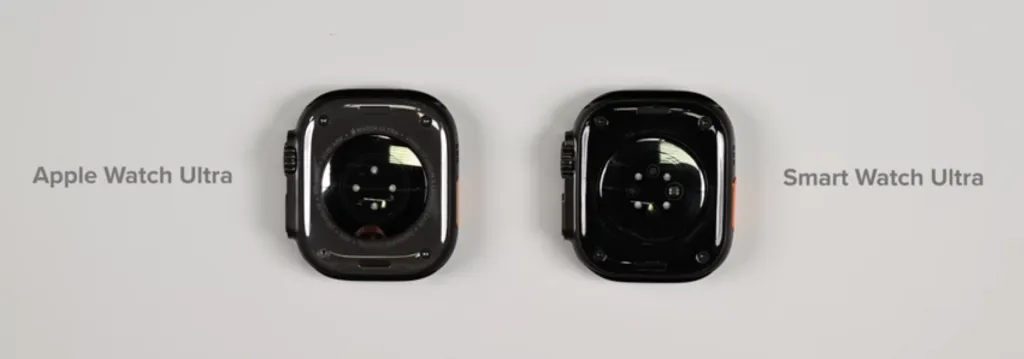
He also noted that the watch’s haptic motor felt noticeably off. Aside from the heart-rate sensor, most of the other sensors appeared to be printed onto the plastic rear shell. The genuine Apple Watch Ultra uses ceramic or sapphire materials on the back, making the difference even more obvious once the device is inspected closely.
After opening the body, iFixit found a 260mAh battery inside the clone watch, less than half the capacity of the genuine model. The battery was loosely fixed within the case and connected to the motherboard only through soldered wires.
The high-copy AirPods Max 2 told a similar story. Like the counterfeit watch, the headphones felt different in the hand as soon as the team handled them. The shell used plastic instead of the aluminum alloy found on the original, and the ear cushions were softer and less structured than Apple’s real pads.

The button feedback also felt unnatural. More importantly, the clone did not support active noise cancellation or Transparency Mode. It did, however, mimic a few visible user-experience details, including in-ear detection and the dedicated pairing pop-up and animation that appears during first-time setup.
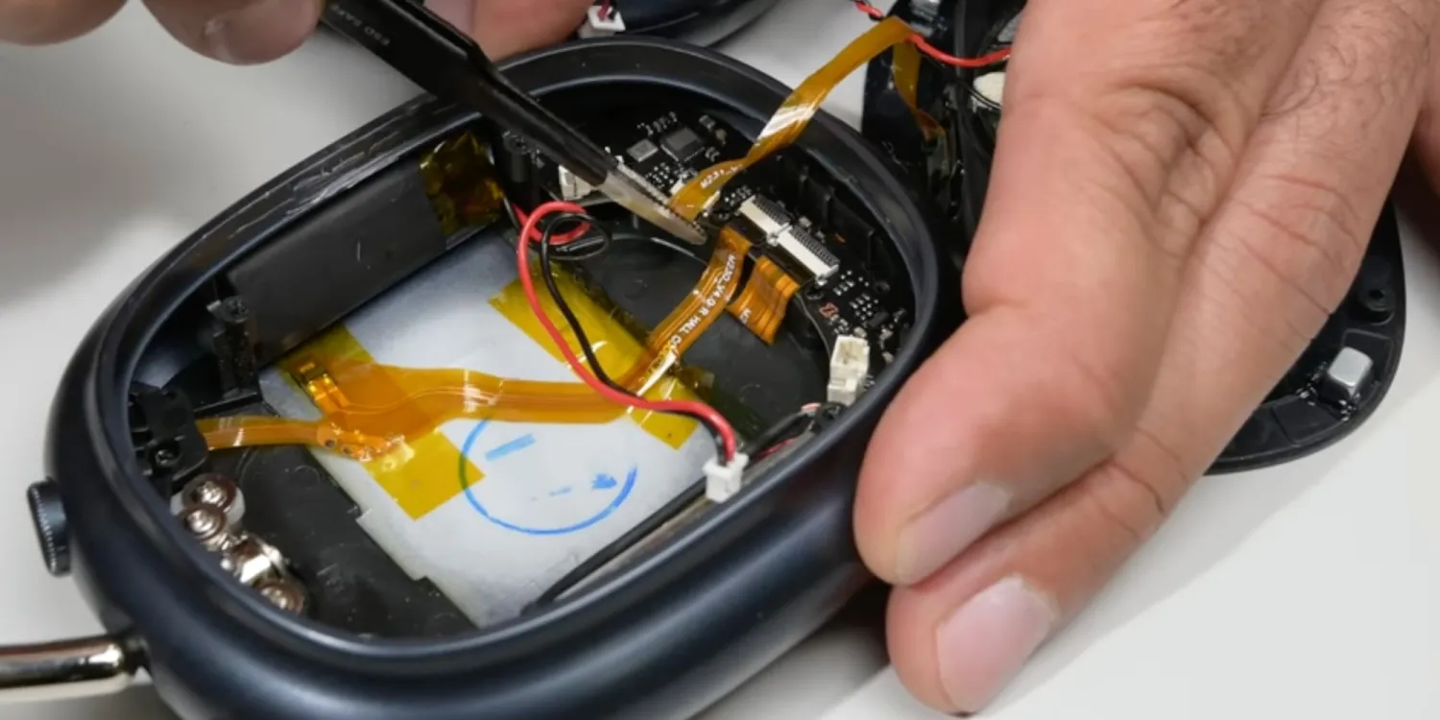
During the teardown of the earcup chamber, the team could not identify the battery model. Several roughly soldered wires came loose very easily during disassembly. iFixit also found multiple cylindrical metal weights inside the body, apparently added for the sole purpose of copying the weight and feel of the genuine product.
Among the three products, the third-generation AirPods Pro 3 clone looked the most convincing from the outside. Staff said that, apart from small differences around the seams, the fake was almost impossible to distinguish from the real product with the naked eye.
Inside, though, the construction was completely different. When the team tried to remove the silicone ear tip, the entire front section of the earbud came off with it and tore several connecting wires. Further inspection showed that the ear tip had simply been glued directly onto the main earbud body.
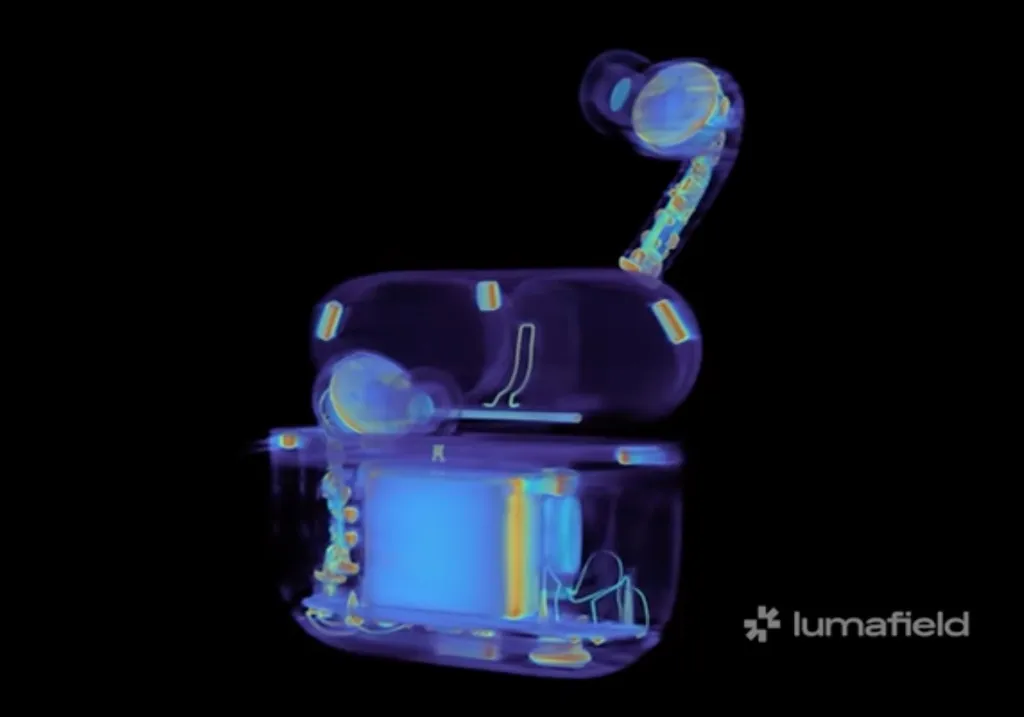
A CT scan revealed even more issues. The product did not use MEMS microphones, the speaker unit was crude, and the internal structure was extremely simple. Areas that should have used flexible ribbon cables were instead connected with ordinary soldered copper wire, all classic signs of a low-grade imitation product.
A closer look at the internal layout also showed that the counterfeit earbud used a cavity design similar to the original first-generation AirPods. A small circuit board could slide straight out from the stem. As expected, the unit had no active noise-cancellation microphone, no heart-rate sensor, and none of the other key components implied by its appearance.
The charging case was no better. After opening it, iFixit found rough internal workmanship, and the battery carried no visible specification markings.
The main takeaway is not that Huaqiangbei Apple clones can look close to Apple products at a glance. It is that their internal design, materials, sensors, microphones, battery mounting, and software behavior can be far removed from what the exterior suggests. For buyers, the teardown is a reminder that convincing cosmetics do not equal genuine hardware or real feature support.