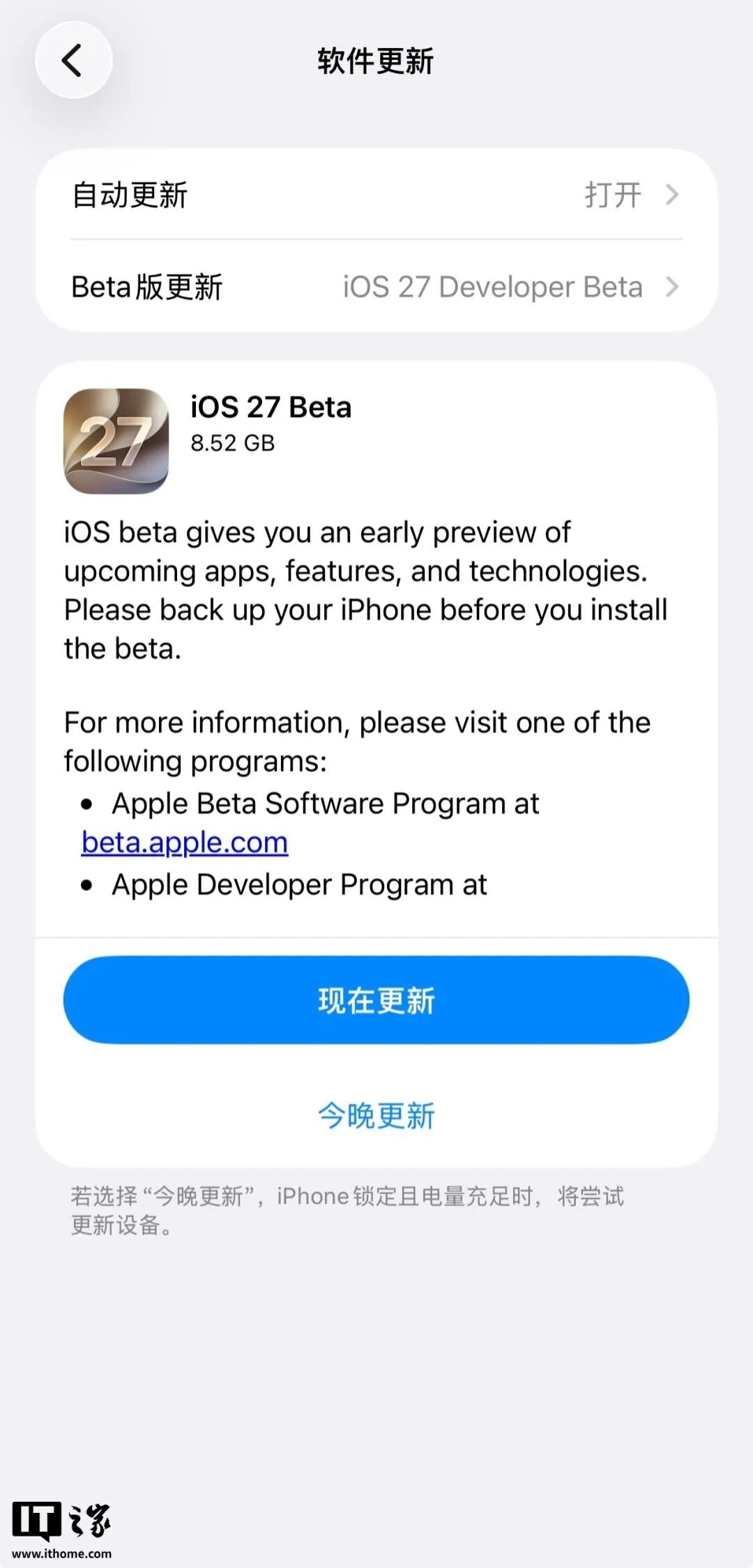
Apple released the first developer build of iOS 27 Beta 1 immediately after its WWDC26 keynote, and the early software is already showing a much broader set of changes than the headline presentation suggested. As usual, this first beta is aimed at developers and early testers, so stability should not be assumed. Still, the update gives a clear look at where Apple is taking the iPhone this year.
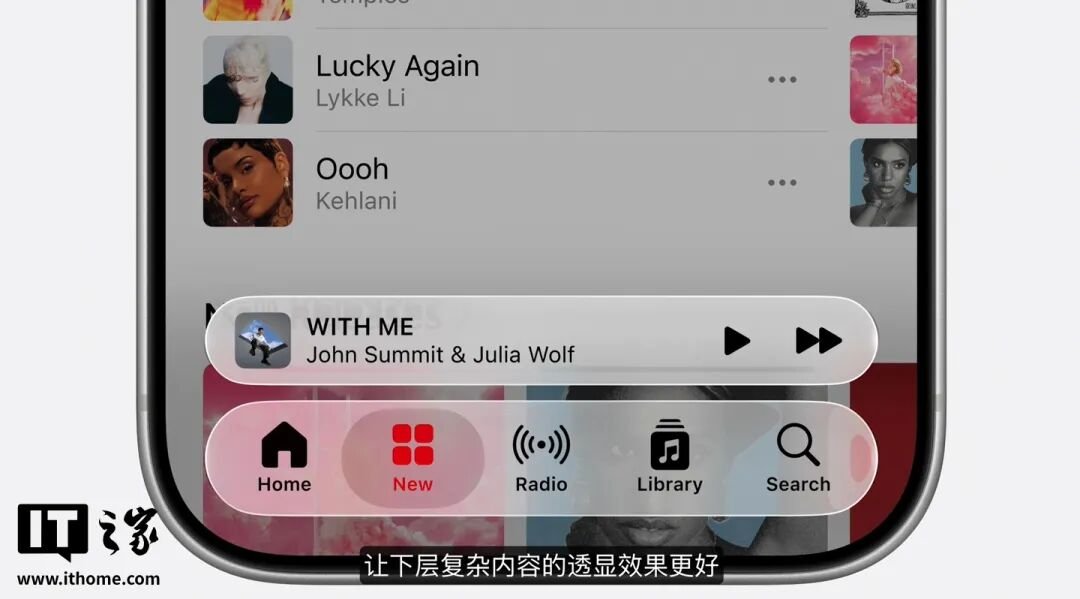
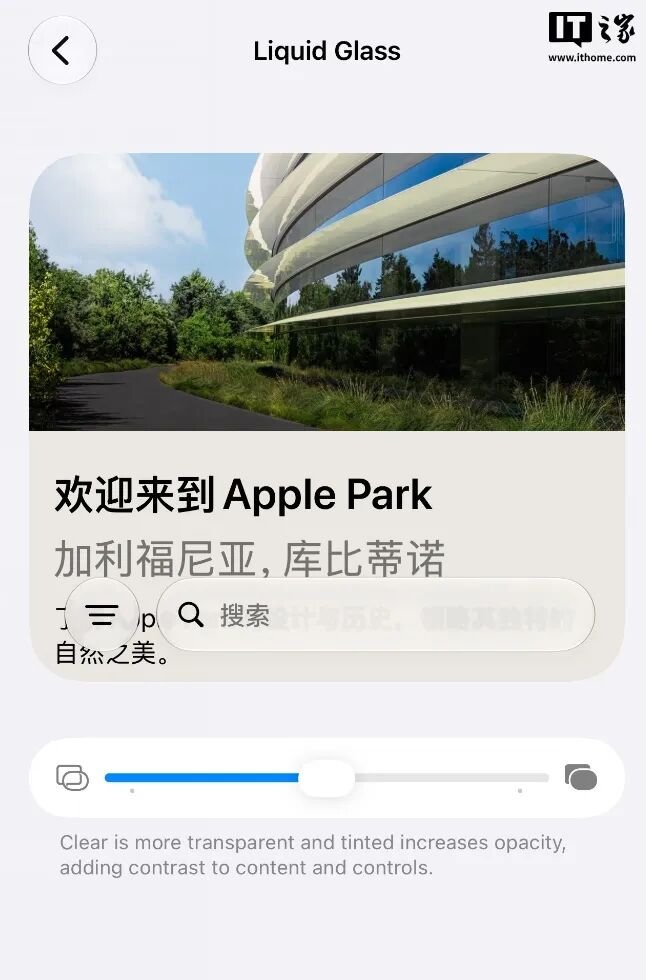
The most visible change is the refined Liquid Glass design language. Apple has tuned the glass effect so refraction looks more even, contrast is stronger, and content behind translucent layers remains easier to read. The result is a deeper layered look across system controls, icons, and key interface elements.
There is also a new Liquid Glass adjustment slider under Settings and Appearance. Users can tune the transparency of the glass effect, moving from a clearer look to a more fully tinted style. That should help people who like the new design but want better contrast or less visual noise.
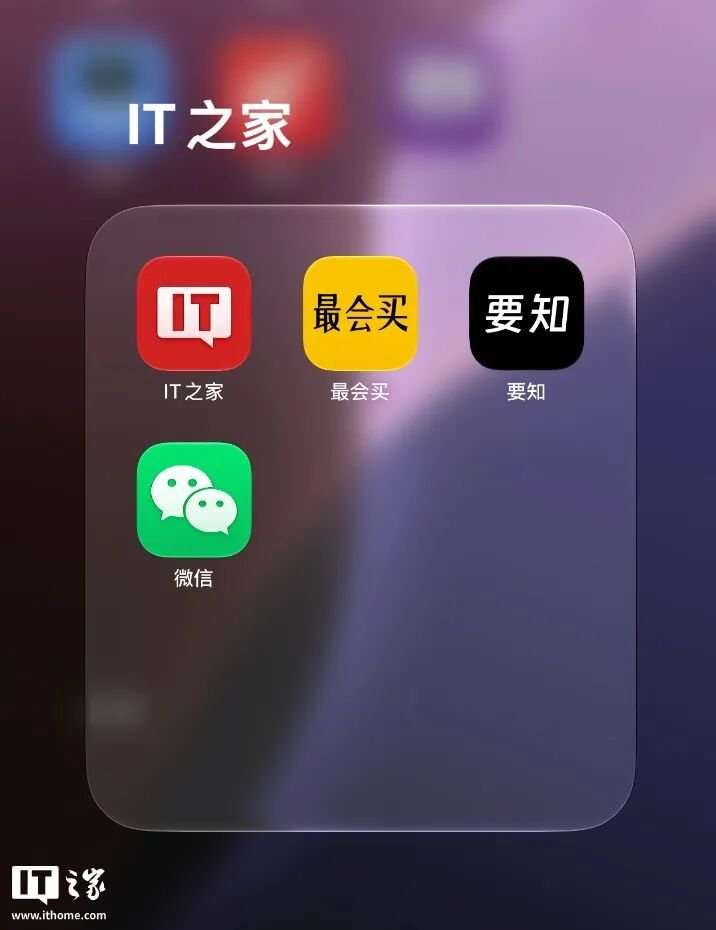
Apple has redrawn system icons with a multilayer glass treatment. The icons now have sharper outlines and a more dimensional feel, with subtle refraction between layers. The status bar has also been cleaned up: Wi-Fi and cellular icons look rounder, while the battery icon moves to a borderless style.
Widgets get a practical upgrade with a new oversized 4 x 6 option for the Home Screen and Today View. Support is limited in this first beta, but the format gives Apple and third-party developers much more room for glanceable information.
Apple also refreshed the default wallpaper style around a Celosia-inspired visual language. The design uses overlapping, petal-like curves, soft shadows, and flowing surfaces to match the glass-heavy interface direction.
The Lock Screen gains a smaller clock placement option that can tuck the time closer to the top widget area. Siri also has a new animation, with a large bubble emerging around the Dynamic Island when the assistant is invoked.
Feature changes go well beyond the visual layer. New parental controls add child account review options for apps, websites, and chat contacts. Screen Time and time allowance tools are also easier to manage, while communication safety can help parents see whether a child has encountered inappropriate content.
The Clock app adds holiday and make-up workday alarm scheduling, which is especially useful in markets where workweeks can shift around public holidays. Volume controls are now split into three groups: ringtone volume, alarm and timer volume, and reminder plus system sound volume.
Genmoji creation has been expanded so users can describe an emoji, modify existing emoji ideas, or use photos and people as references. A new description-editing interface lets users fine-tune generated stickers after the first result appears.
Chinese input has been improved with punctuation suggestions, better contextual word prediction, and refined character-splitting logic for finding rare Chinese characters by entering the pinyin of separate components.
Apple has added the ability to save a video frame as a photo from the Photos app. Copied text can now appear above the keyboard for quick pasting. AirPods gain a custom equalizer, and Accessibility is renamed more clearly in Settings.
LiveCommunicationKit now supports full-screen experiences on the Lock Screen, including a contact name, photo, and standardized call controls. iCloud Shared Albums can now include Android and Windows users, with full-resolution photo and video sharing available.
Several Apple apps are changing as well. Home can simplify notifications and generate descriptions for connected camera clips. Passwords can identify password risks and, in some situations, automatically help users change compromised credentials.
Image Playground adds native photorealistic image generation from text prompts, while still keeping its existing animation, illustration, and sketch styles. The App Store is getting tools aimed at developer acquisition, promotion, subscription management, and easier app discovery for users.
Messages can suggest actions from conversation context, including reminders or notes, while smart replies have been upgraded. Phone adds a Call Context feature that can show relevant information after a user calls a business.
Apple Music has interface, handoff, performance, and voice-control updates. Artist pages now include a more prominent shuffle button and adjusted artist-name presentation. Landscape mode is supported, with album art on the left and lyrics plus track information on the right.
Calendar and Reminders both lean harder into natural language input. Users can describe events or tasks in plain language, and the system can extract dates, times, and action items automatically.
Wallet adds pass creation and Apple Cash bill-splitting. The pass feature can work through manual creation or scanning physical tickets, while bill-splitting appears after scanning receipts through the new Siri camera mode.
Health now adds support around perimenopause and menopause tracking, including reminders, symptom logging, and educational guidance. Apple TV’s virtual remote can be added to the Home Screen instead of living only in Control Center.
The Camera app has a cleaner mode switcher for video, photo, and portrait. Format controls and shortcuts move to the top center, while the settings drawer shifts to the lower right.
Maps improves Flyover with better vegetation rendering and 3D modeling, and adds local ranking lists based on interaction data to highlight popular restaurants. Weather now separates precipitation and wind information, and Safari can watch web pages for topics the user describes in natural language.
The bigger AI story is more complicated. Apple talked heavily about Apple Intelligence and Siri AI at WWDC26, but availability can vary by region because of regulatory requirements. Some AI-based features may not be available everywhere at launch.
Among the AI-related features discovered in the beta are AI wallpaper expansion, a more capable Siri AI, camera-based Siri interactions, AI erase and image expansion in Camera, spatial composition tools, and system-level writing correction for spelling and grammar.
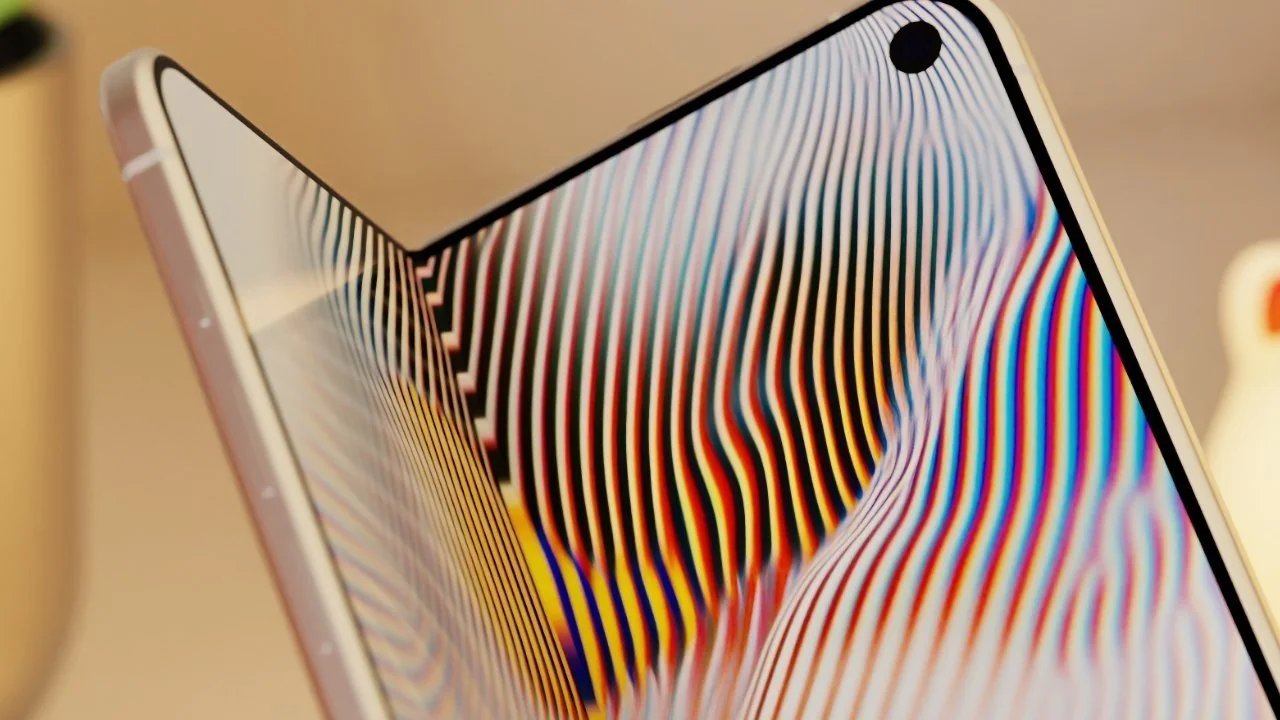
Hidden code also points to future foldable iPhone support, with strings such as foldState and angleDegrees appearing in the software. Apple has also said its foundation models are not simply a Gemini wrapper, even though Gemini technology was reportedly involved in distillation and training.
CarPlay gains video playback while parked, and Siri AI is coming to CarPlay as well. Some Apple Intelligence features may have daily limits, with higher allowances for iCloud+ subscribers.
Another code discovery suggests Siri AI may include a break reminder if a conversation runs too long. That small detail fits Apple’s broader pattern of adding digital well-being controls around new interactive features.
Overall, iOS 27 Beta 1 is not just a cosmetic update. Liquid Glass is the obvious visual shift, but the beta also touches alarms, volume controls, Photos, AirPods, Calendar, Reminders, Wallet, Health, Camera, Maps, Safari, and several AI systems. Most users should wait for the public beta or the fall release, but this first build already shows a very full upgrade cycle.