China’s Ministry of Industry and Information Technology, often referred to as the MIIT, has issued a new implementation plan for “AI + Information and Communications” innovation covering the 2026 to 2028 period. One of the clearest messages in the document is that China wants to accelerate the development of consumer and connected devices built around artificial intelligence.
The plan calls for the creation of what it describes as new “network-intelligence integrated terminals.” In practical terms, that means pushing more AI capability into devices that connect to telecom networks, home networks, and cloud services, instead of treating AI as a feature that lives only in large data centers.
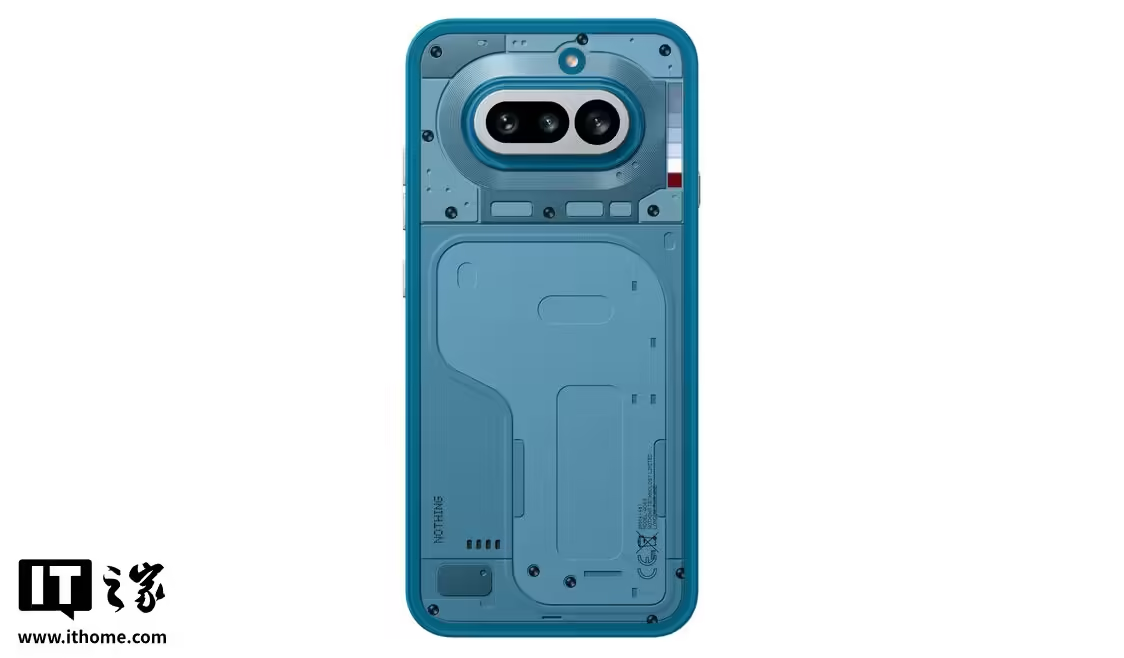
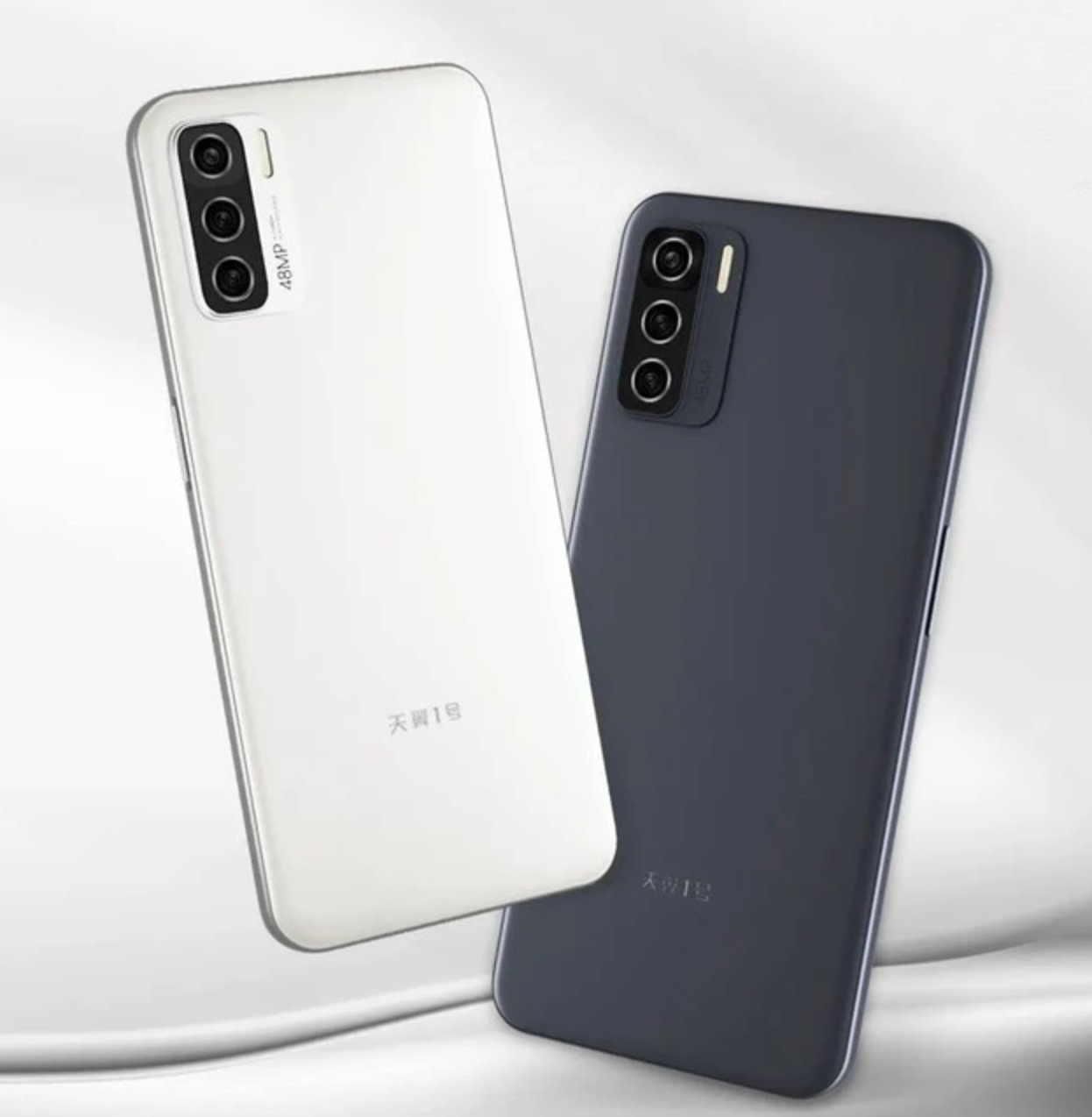
The document specifically highlights AI phones, AI-powered computers, smart home devices, and intelligent wearable products. MIIT says these categories should form a more intelligent and integrated terminal product system, with hardware, communications modules, and AI functions developed more closely together.
The ministry also emphasizes the connection between embodied intelligence and information communications technology. It wants companies to strengthen innovation where embodied AI, networked communications modules, and connected devices can be adapted and verified together. That direction matters because future AI products may rely not only on software models, but also on sensors, connectivity, chips, and physical-device control working as one system.
For consumers, the plan points toward more AI-driven services inside everyday telecom and home products. MIIT encourages basic telecom operators to use AI to upgrade traditional telecommunications services and to develop new agent-based personal and family applications.
Examples listed in the plan include smarter personal assistants, home-management assistants, family care tools, interactive fitness, and 3D viewing experiences. The goal is to expand consumer service scenarios and improve day-to-day quality of life through more practical AI applications.
The policy also connects AI terminals to social services. In areas such as healthcare and education, MIIT mentions intelligent health monitoring, care support for elderly people and children, smart classrooms, and AI learning companions. The stated aim is to make these services more precise, more widely available, and more accessible to ordinary users.
For U.S. readers, the plan is worth watching because it shows how quickly AI hardware is becoming a national industrial priority in China. The focus is not only on chatbots or cloud AI. It is also on phones, PCs, wearables, home appliances, telecom services, and public-service devices that can bring AI features into normal life.
The commercial impact could be broad. If Chinese device makers and network operators align around this policy direction, buyers may see more phones with on-device AI, more AI PCs, smarter wearables, and home devices that can coordinate with personal assistants or telecom services. It could also increase competition around chips, connectivity modules, and AI-enabled operating systems.
The plan does not by itself guarantee which products will succeed. But it does make clear that AI phones, smart home devices, AI PCs, and wearables are expected to become major parts of China’s next wave of connected technology.