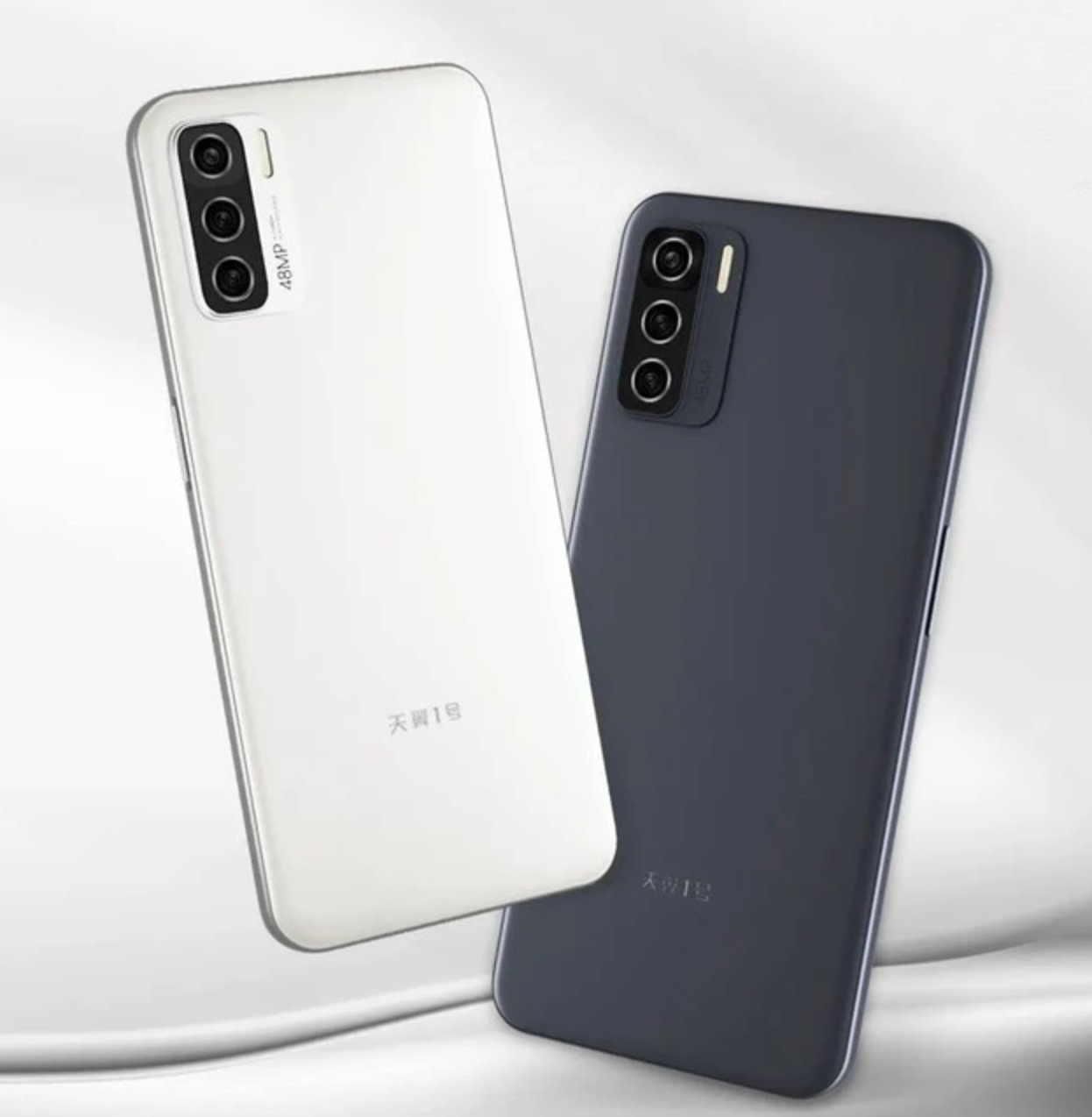
ByteDance-backed Nubia has begun pushing the Obric UI 2 major update, version v2.2.0.0, to the unique M153 smartphone commonly known as the “Doubao AI Phone.” This is the first major system overhaul for the device since its engineering-sample launch in December 2025, bringing extensive improvements to the AI assistant, interface design, and system capabilities.
The M153 runs a deeply customized version of Android called Obric UI, developed in close partnership with ByteDance. The OS embeds the Doubao AI assistant directly at the system level, granting it system-wide permissions to call multiple apps automatically and perform complex cross-app tasks. This deep integration is what distinguishes the phone in a market where most AI features remain surface-level app add-ons.
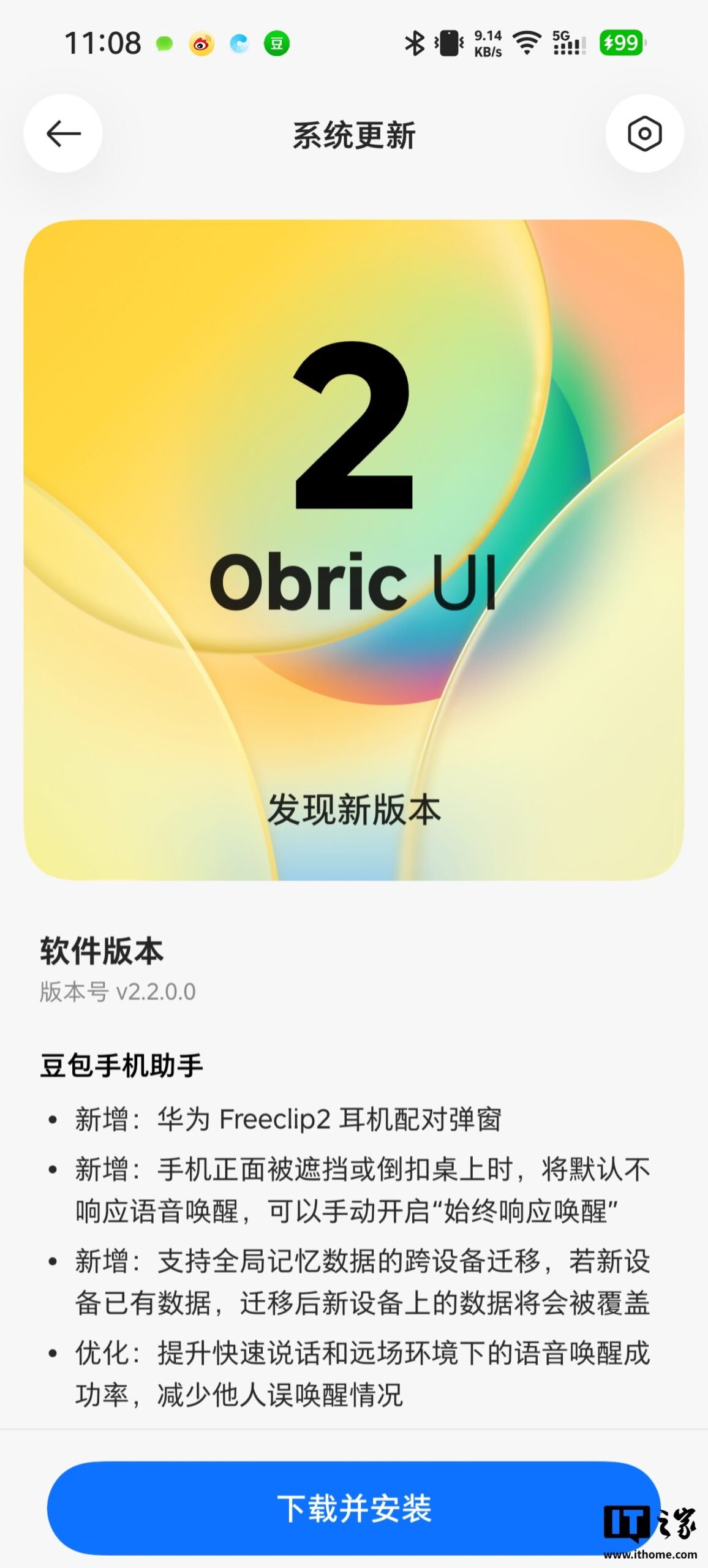
The Obric UI 2 update brings notable refinements to the Doubao assistant, including compatibility pop-ups for Huawei FreeClip 2 earbuds. Voice wake-up behavior has been significantly improved: the phone now intelligently ignores wake commands when its screen is covered or placed face-down, though users can manually enable an “always respond” mode in settings. Far-field and quick-call detection rates are also boosted, while accidental triggers from nearby sounds are reduced, making the experience more natural and reliable in real-world use.
One of the most impactful additions is a cross-device memory migration feature. Users can now transfer the Doubao assistant’s learned preferences and behavior patterns to a new device, though existing data on the target device will be overwritten during migration. This feature signals ByteDance’s long-term ambition to make the Doubao AI portable across multiple devices, creating a unified AI identity.
The lock screen now includes a dedicated AI task space, allowing users to view, manage, and monitor completed, in-progress, and queued Doubao AI tasks directly without unlocking the phone. This dramatically shortens the path to AI task management and makes the assistant feel more like a proactive companion than a reactive tool.
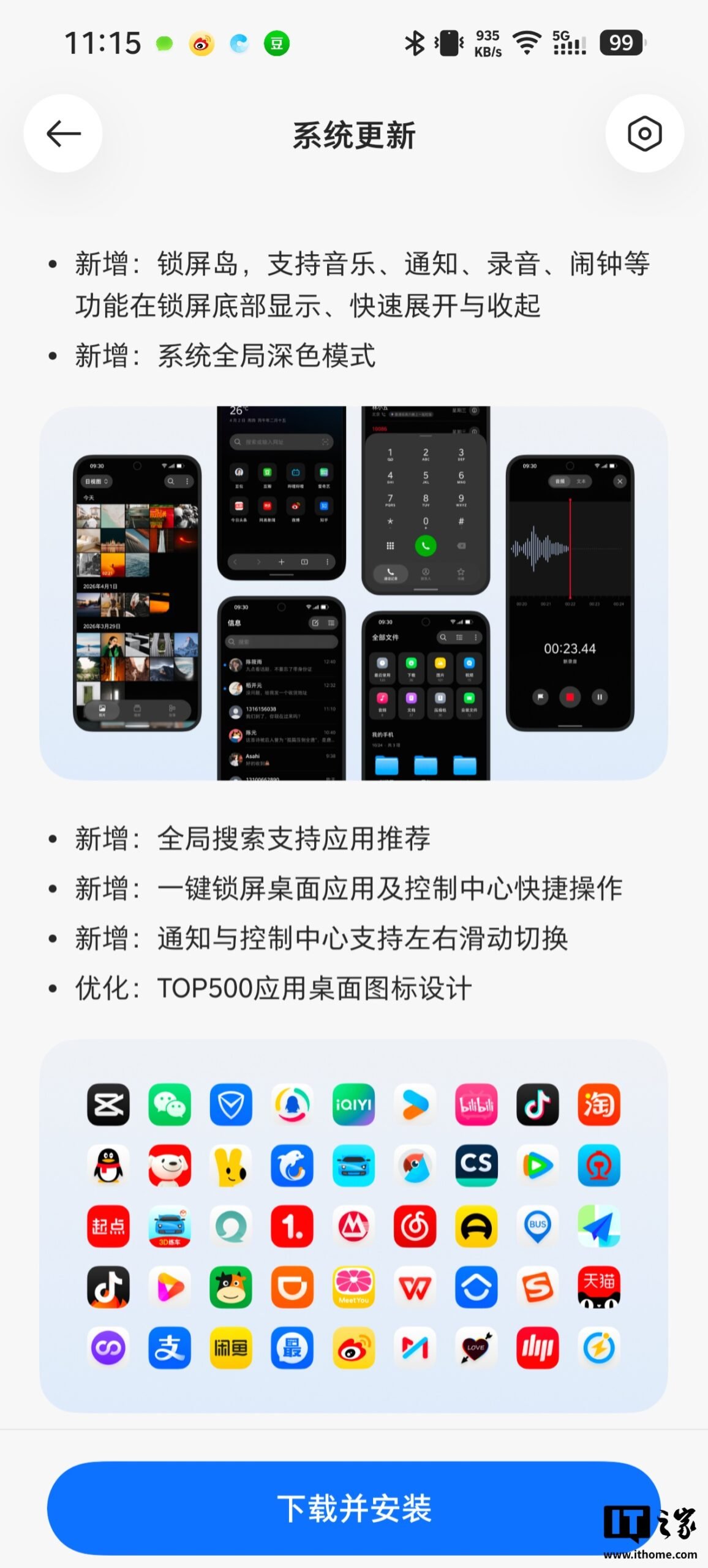
Additional system refinements include: a redesigned assistant input field with improved lighting effects, a refreshed weather card now displaying up to 14 days of forecast, and optimizations for the screen-off gesture (tap to wake). Icon designs for the top 500 most-used apps have also been reworked, and the control center interactions are now smoother and more responsive. Overall, Obric UI 2 marks a meaningful maturation of ByteDance’s mobile operating system ambitions, evolving from a niche experiment into a credible day-to-day interface.