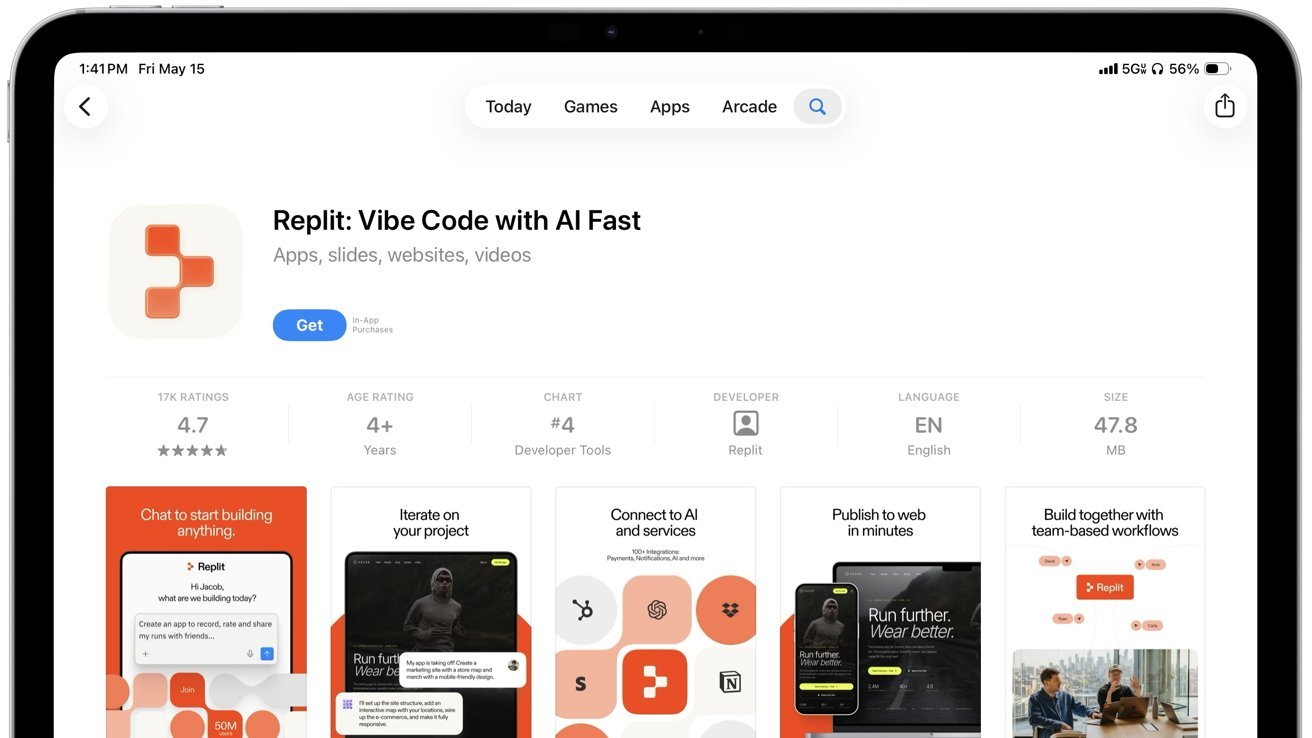
Replit is back to updating its iPhone and iPad app after a four month pause, suggesting that its dispute with Apple over App Store rules has at least reached a temporary resolution. For users, the immediate outcome is simple: the mobile app is finally moving again. For the broader software industry, the story is more interesting because it shows how unsettled Apple’s position still is when AI tools start to blur the line between an app and a development environment.
Earlier this year, Apple reportedly blocked updates to the app and asked Replit to make changes. The underlying concern wasn’t hard to guess. App Store rules generally don’t allow approved apps to start executing unreviewed code later, and they also place limits on software that effectively turns an app into a platform for running other apps. That’s exactly where modern AI coding tools begin to make reviewers nervous, especially on mobile.

Replit belongs to the fast growing wave of so called vibe coding products, where users describe what they want in plain language and the AI generates software for them. On desktop, that model already feels familiar. On iPhone and iPad, though, the security implications are touchier. A tool that can generate, preview, package, or potentially run software starts pressing against rules built for a much more traditional app ecosystem.
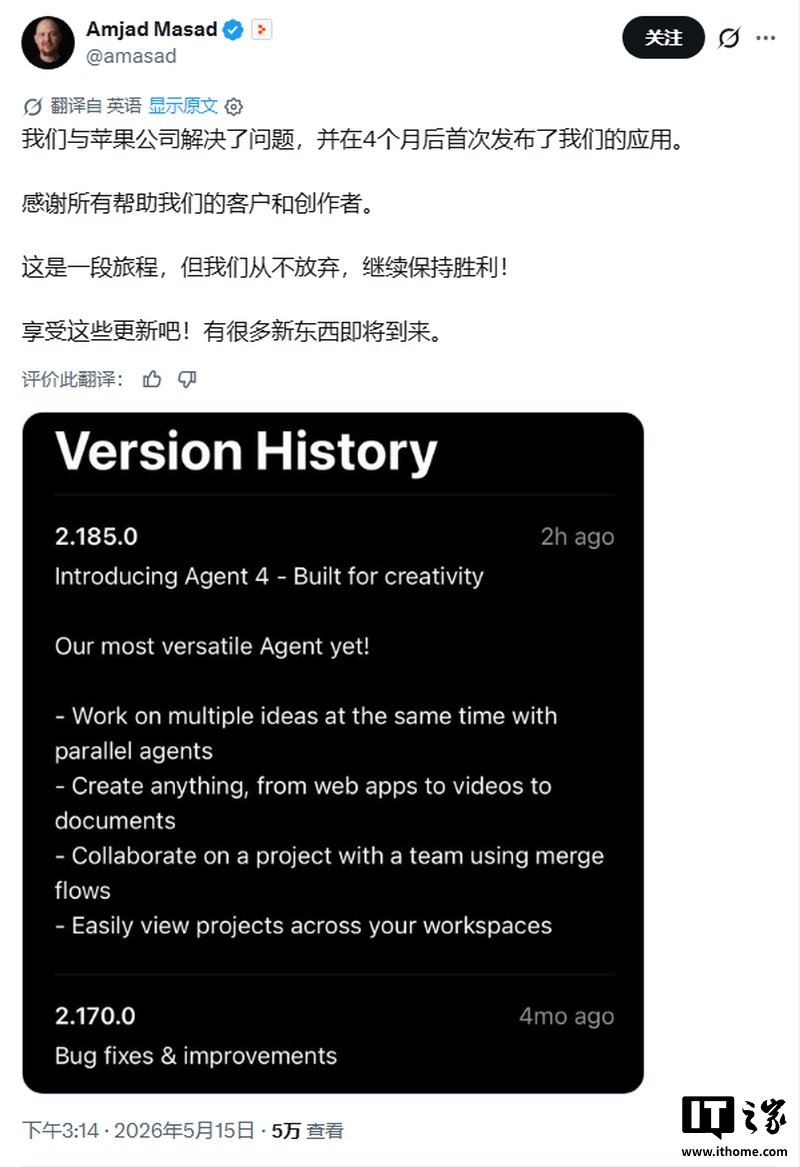
This week, Replit CEO Amjad Masad said on X that the issue had been resolved, and the company has now released its first mobile update in four months. The new version brings back active development on the app and also adds features tied to Agent 4, along with parallel agents that can work on multiple ideas at the same time.
Replit is also extending more collaboration features into mobile. The update adds support for merge flows and makes it easier for users to view projects across multiple workspaces. That doesn’t fully answer the deeper question, though: what exactly changed to satisfy Apple? Neither side appears to have explained whether Replit altered the way AI generated software is previewed on iPhone, nor have they shared the precise review conditions that allowed the update through.
That’s why this matters beyond one app release. The bigger issue is how the App Store plans to handle a new class of software where code generation, automation, previewing, and collaboration are core features rather than edge cases. If Apple loosens too much, it takes on more risk around malicious behavior and unreviewed functionality. If it stays too strict, it could slow down an entire category of AI native creation tools on mobile.
For now, the practical takeaway is that Replit users on iOS are no longer stuck waiting for the app to catch up. But the policy questions haven’t gone away. This update looks less like a final settlement and more like an early sign of how Apple may have to keep reworking its review framework as AI software becomes more dynamic, more collaborative, and much harder to fit into old app store assumptions.