Honor is adding a new Honor virtual permissions feature in its phone system version 160 update, giving users another way to protect private information when an app asks for access it may not really need.
The feature was introduced through a video posted by Honor product maintenance and upgrade representative “Honor Xiaofangge.” According to the explanation, the new setting is meant for a familiar problem: some apps won’t let users continue unless they grant certain permissions.

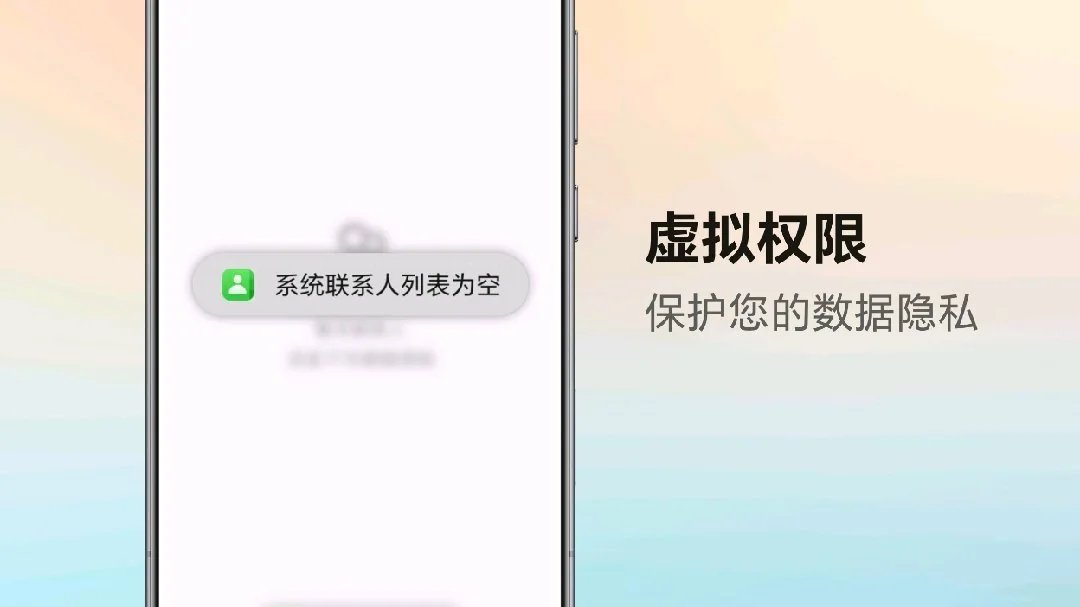
Once Honor virtual permissions are enabled, the system can provide blank data when an app tries to read sensitive information such as call records. That means the app gets a response, but it doesn’t receive the user’s real private data.
For everyday users, the idea is pretty straightforward. Instead of choosing between “allow” and “don’t use the app,” the phone can offer a privacy-friendly middle ground. The app sees empty information, while the user’s actual call history and other sensitive data stay protected.

Honor says the setting can be found by going to: Settings > Privacy & Security > Virtual Permissions.
The company also shared the broader June upgrade plan for the Honor MagicOS system, including the main update content and supported models. The key takeaway from this specific change is that Honor is treating sensitive data privacy as a system-level feature, not just something handled app by app.
This kind of permission design is becoming more important as mobile apps continue to request access to personal data for account checks, contact discovery, analytics, and other features. A blank-data response can reduce the pressure on users while still keeping app workflows from breaking immediately.
Honor has not framed the feature as a complete replacement for careful permission management. Users still need to review what apps request and disable access when it’s unnecessary. But the new MagicOS update gives Honor phone owners one more practical tool for limiting how much sensitive information apps can actually collect.