Apple is pushing back against speculation that the new Siri AI system in iOS 27 is simply a rebranded version of Google Gemini. According to a report from AppleInsider, Apple executives said after the WWDC keynote that Apple Foundation Models are controlled by Apple and are not a Gemini wrapper.
The distinction matters because Apple has acknowledged that Gemini technology played a role in distillation and training. But the company says the final system delivered to users is built from Apple code, Apple technology, and Apple’s own data framework rather than being a direct shell around Gemini.
In practical terms, Apple is trying to separate training assistance from the product that runs on user devices and Apple’s cloud infrastructure. The company says people using Apple Foundation Models will not be interacting with Google code, Gemini agents, or Google Search directly.
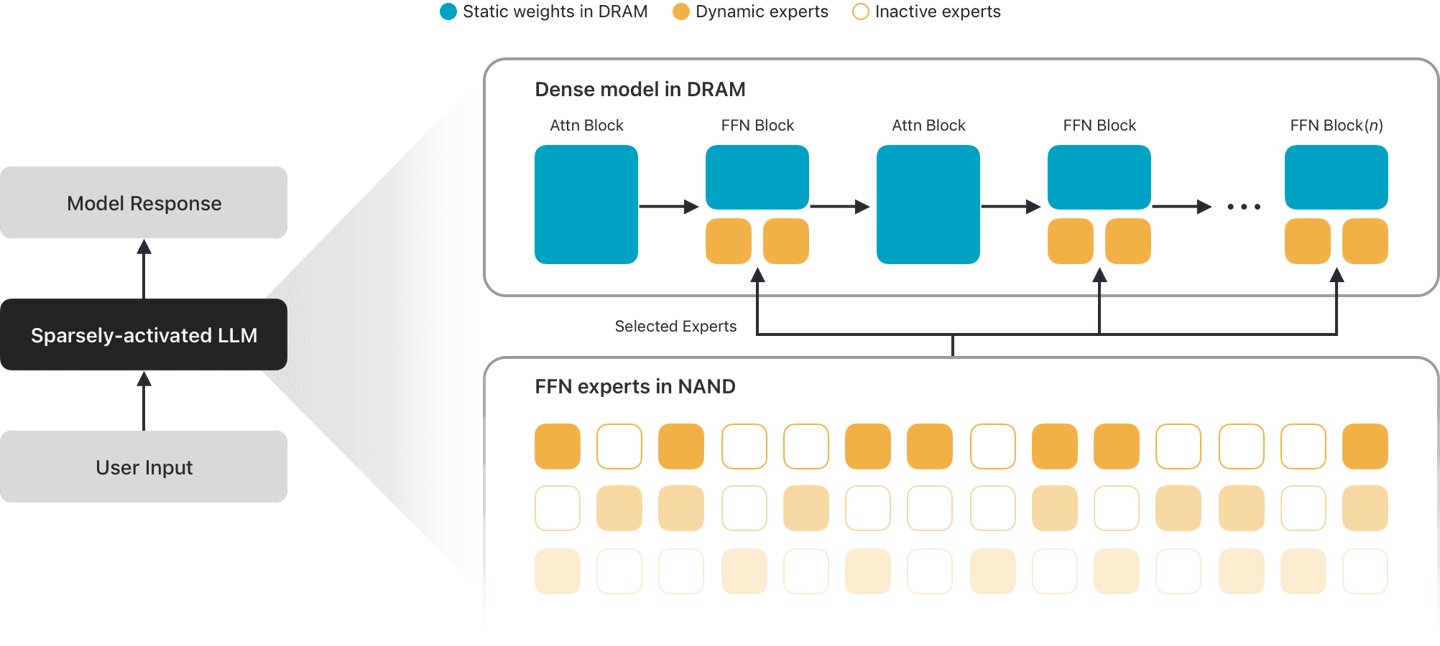
Apple’s model family currently includes five major parts, according to the report. AFM Core is the on-device base model designed for local AI tasks. AFM Core Advanced is also on-device, but it supports native multimodal capabilities and uses a sparse architecture so it can handle more complex AI features locally.

For tasks that are too heavy for the device, Apple uses AFM Cloud. A separate AFM Cloud Image model focuses on image generation and editing. The most demanding work is handled by AFM Cloud Pro, which is aimed at agent-style tools and heavier workloads.
Apple also emphasized that each model is tuned for Apple Silicon. The company says the training process uses proprietary data, while Gemini model calls are used for distillation optimization. That phrasing suggests Apple may have used Gemini as part of the development process without shipping Gemini itself as the user-facing model.
The cloud portion is more nuanced. For AFM Cloud Pro, Apple is reportedly using Google cloud servers and NVIDIA GPU resources. Even so, Apple says the system remains under its Private Cloud Compute framework, the privacy architecture it uses to process more powerful AI requests without exposing user data in the same way as a conventional cloud service.
That explanation is important for iPhone users because Apple has built much of its AI messaging around privacy and control. If users believed the new Siri was merely routing requests to Gemini, it would undercut Apple’s positioning around on-device intelligence, Apple Silicon optimization, and privacy-first cloud processing.
For U.S. users watching the iOS 27 rollout, the short version is this: Apple is not denying that Gemini helped during model development, but it is clearly saying the Siri AI system people use is Apple’s own implementation. The company wants developers and customers to see Apple Foundation Models as part of the Apple Intelligence stack, not as a thin layer on top of Google’s consumer AI products.