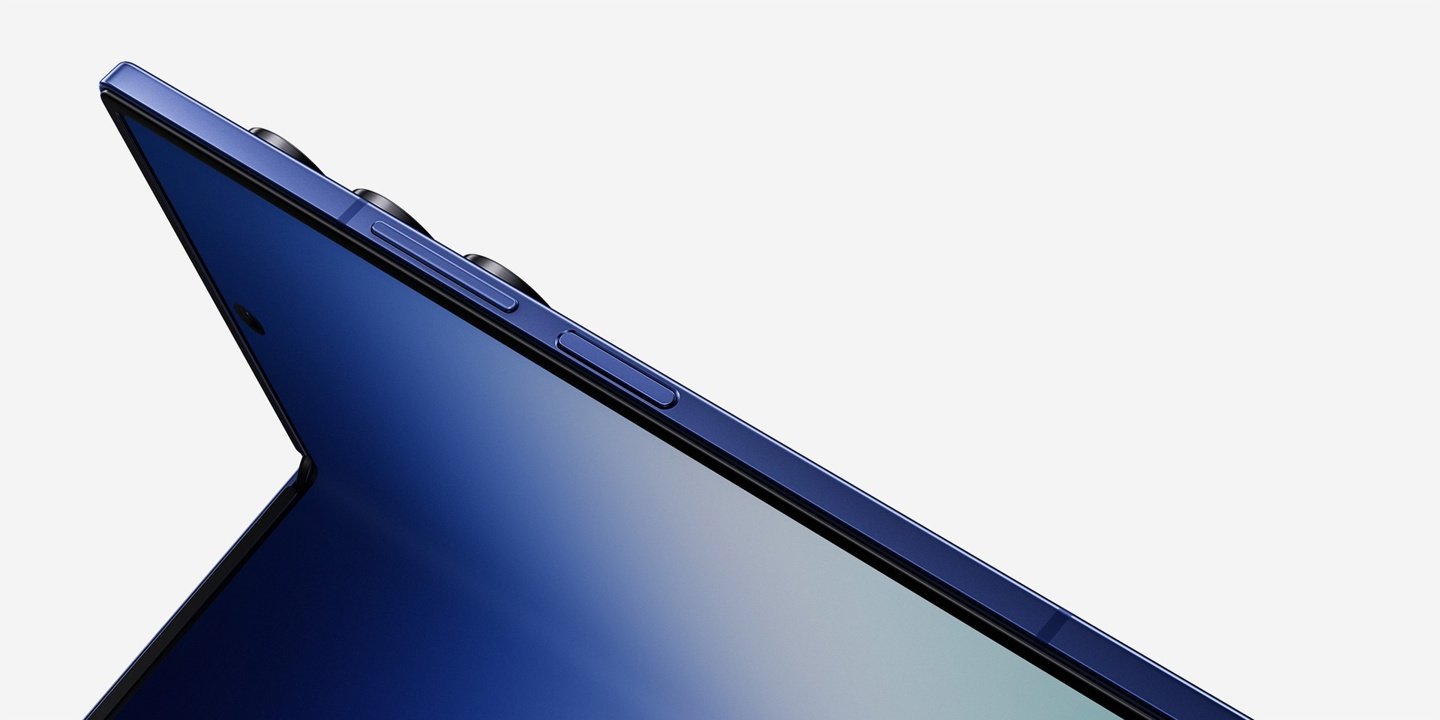
Samsung Electronics has reportedly lowered its 2026 shipment target for the Samsung Galaxy Z 8 series, a sign that the foldable phone market may be entering a more cautious phase even as new form factors are expected to arrive.
According to a June 5 report from South Korean outlet ZDNET Korea, Samsung has reduced its overall 2026 shipment goal for the Galaxy Z 8 lineup from an earlier estimate of about 6.5 million units to a range of 5 million to 6 million units.
The adjustment is not evenly distributed across the entire lineup. The report says Samsung has sharply reduced its expectations for the smaller clamshell-style model, while expectations for the larger book-style foldable have also moved lower. At the same time, Samsung appears to have raised its forecast for a new “wide-folding” category that is expected to debut with the generation.
That mix suggests Samsung is not simply giving up on foldable phones. Instead, the company may be rebalancing production around where it sees stronger demand. The traditional small flip-style foldable seems to be losing some momentum, while larger and more productivity-focused folding devices may still have room to grow.
The report points to several reasons behind the lower shipment target. One factor is component pressure. Tight supply for memory semiconductors and other parts has pushed up costs, and some of those costs may need to be passed on to consumers. Higher prices can weaken buying interest, especially in a category that is already more expensive than mainstream slab smartphones.
Another factor is declining enthusiasm for smaller foldables. Flip-style phones helped make foldables feel more fashionable and accessible, but the market may now be moving past the early novelty stage. If users do not see enough practical benefit from the smaller form factor, demand can soften quickly.
Apple’s expected entry into the foldable market is also part of the broader backdrop. The report notes that Apple’s participation could help expand the “wide-folding” market, even if it also increases competitive pressure. For Samsung, that may make larger and wider foldables strategically more important than before.
Industry sources cited by the report said Samsung shared a June-to-August production plan with component suppliers. Under that plan, production would be slightly above 1 million units for the small foldable model, while both the larger foldable model and the new wide-folding model would each be around 1.5 million units.
For U.S. readers, the takeaway is that the next Samsung foldables may arrive with a different strategy than earlier generations. Samsung still appears committed to the category, but it is reportedly managing expectations more carefully, shifting attention away from pure volume growth and toward the foldable designs it believes can hold up better in a higher-cost, more competitive market.