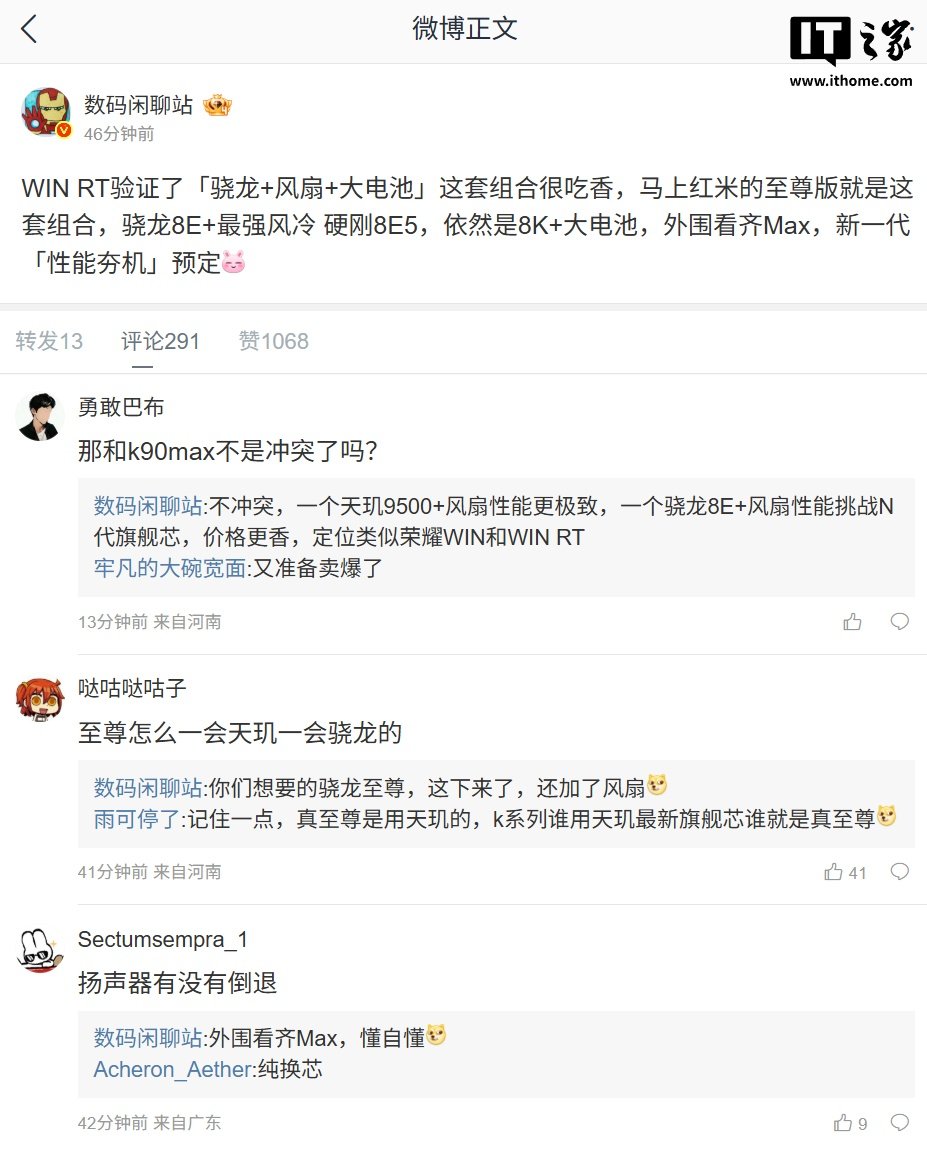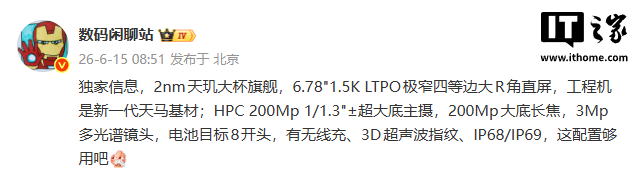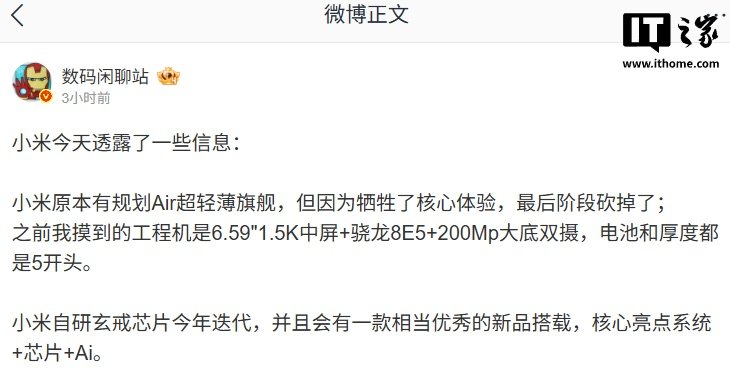
A new leak from Chinese tipster Digital Chat Station says Xiaomi had been developing an ultra-thin Xiaomi Air flagship prototype, but the device was ultimately canceled before release. According to the report relayed by IT Home, the project had already reached a stage close to mass production before Xiaomi pulled the plug.
The leaked hardware outline suggests Xiaomi was aiming for a very aggressive design. The engineering model was said to feature a 6.59-inch 1.5K display, Qualcomm’s Snapdragon 8 Elite Gen 5 chip, and a rear dual-camera setup built around a 200MP large-sensor main camera. The battery capacity and body thickness were both described only as starting with the number five, which implies Xiaomi was trying to balance a slim frame with still-respectable battery size.
What pushed the company to abandon the phone appears to be exactly what often makes the ultra thin phone category difficult. In a livestream on May 16, Xiaomi Group partner and president Lu Weibing responded to questions about why Xiaomi never released an iPhone Air-style product. He said the team had indeed completed planning and early development work and had brought the project close to launch readiness.
But in the final stretch, Xiaomi decided not to turn it into a shipping product. Lu said that once the team compressed the phone to such an extreme size and thickness target, the compromises became too serious. In particular, battery endurance and performance would both take a hit, and those tradeoffs would drag the user experience below the standard Xiaomi wanted to meet.
That explanation lines up with the broader challenge facing premium slim phones. It’s not just about making a device thinner than rivals. The harder part is preserving the things buyers still expect from a high-end model, including strong battery life, sustained chipset performance, and camera hardware that doesn’t feel compromised. Xiaomi appears to have decided that this prototype couldn’t deliver enough on those fundamentals.
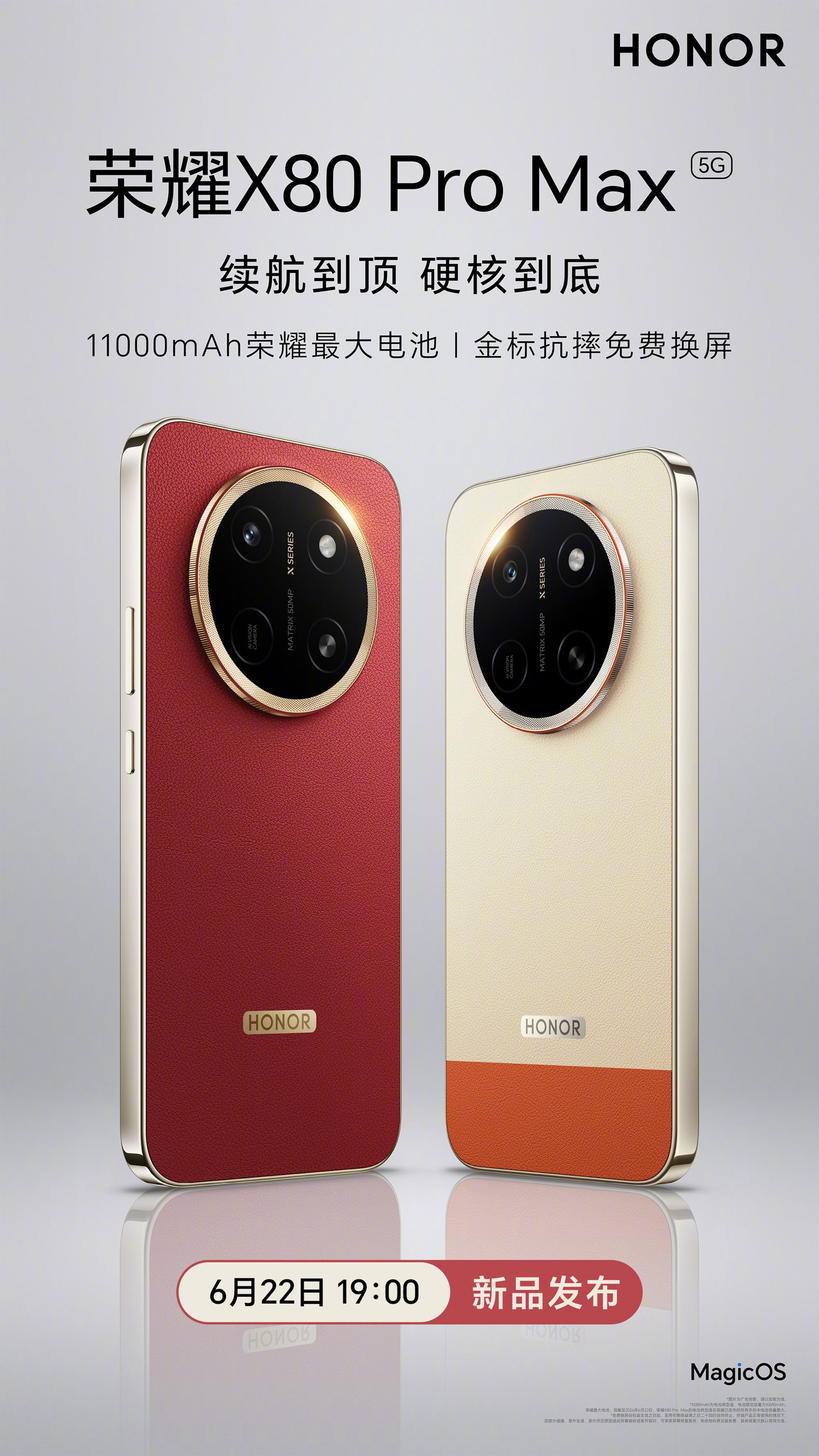
The canceled project also helps explain why Xiaomi is instead focusing on a Max-branded phone. Lu said the company would rather build a Max product than force out a slim model that requires too many sacrifices. So while the Xiaomi Air flagship may never reach store shelves, the prototype offers an interesting look at the kind of balancing act phone makers are still wrestling with behind the scenes.