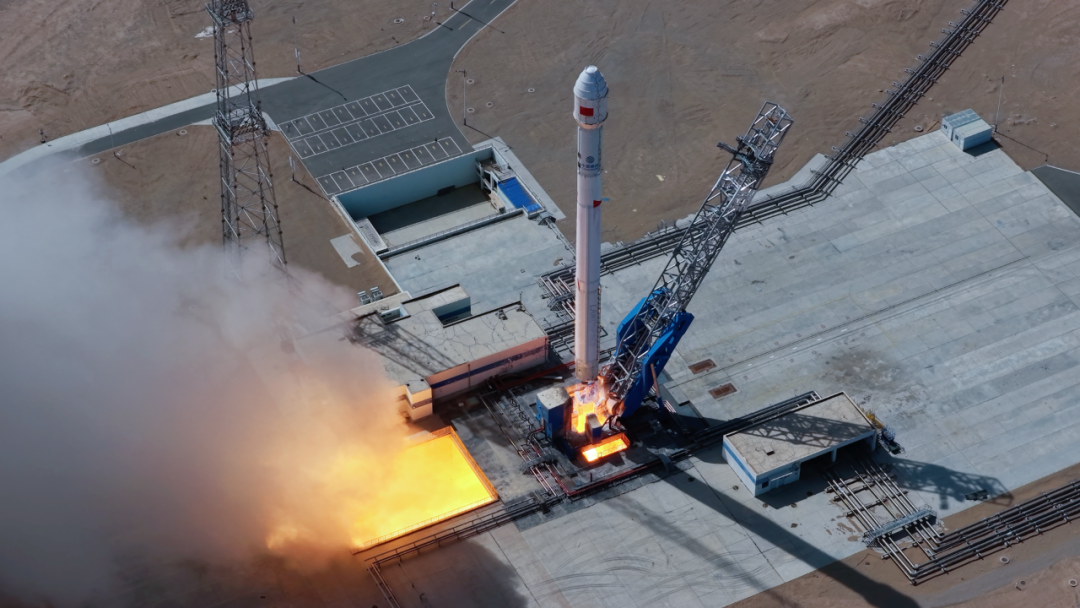
China has taken another step toward direct-to-phone satellite services. At 4:23 p.m. Beijing time on June 9, 2026, the Zhuque-2E Y6 carrier rocket lifted off from the Dongfeng Commercial Space Innovation Test Zone and successfully placed its payloads into the planned orbit.
The mission carried the Qianfan DTC 01 satellite and the China Mobile 02 satellite. According to the launch report cited by IT Home, the flight test mission was completed successfully.
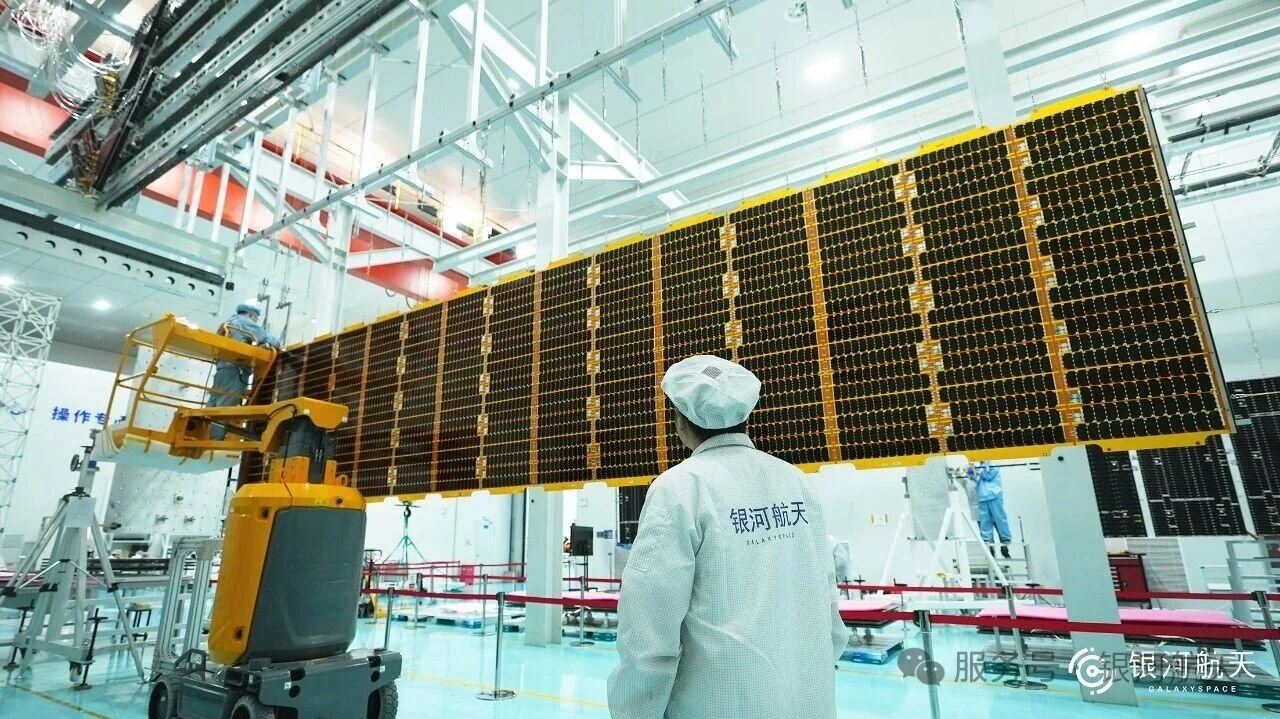
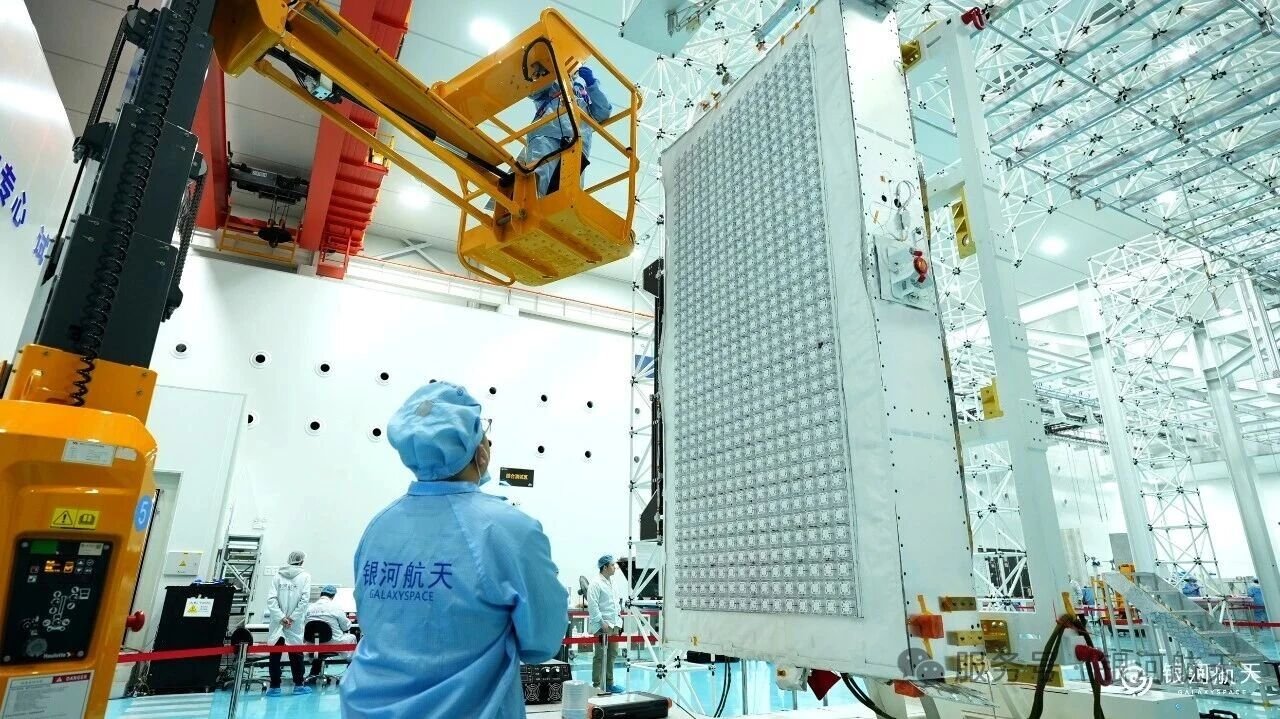
GalaxySpace later said it was responsible for developing China Mobile 02. The satellite will be used for technology verification related to mobile phones connecting directly to satellites and the integration of space-based and ground-based networks.
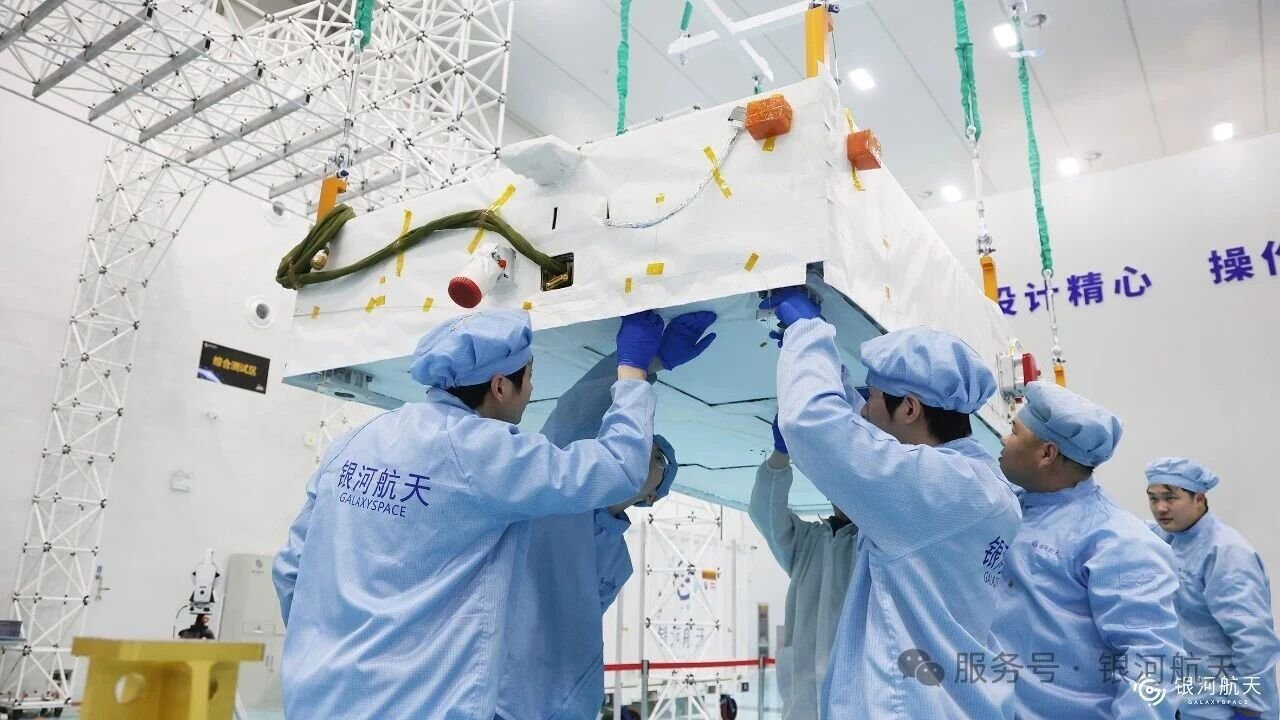
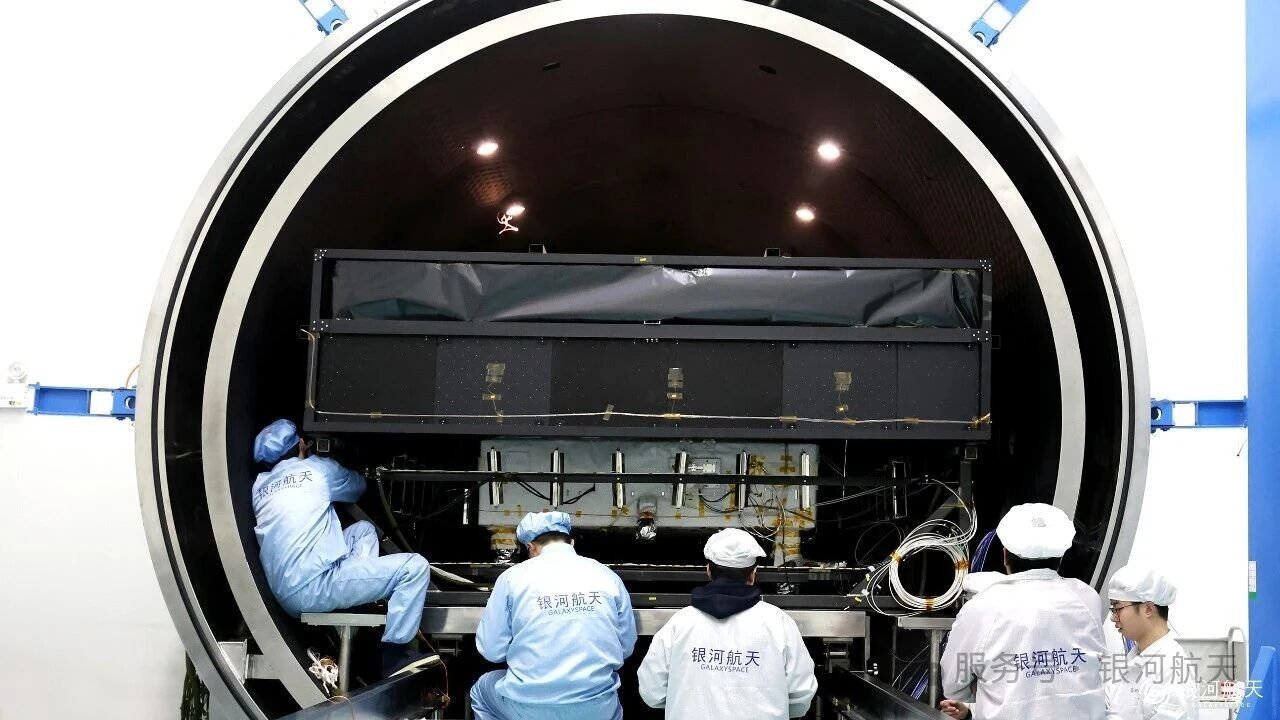
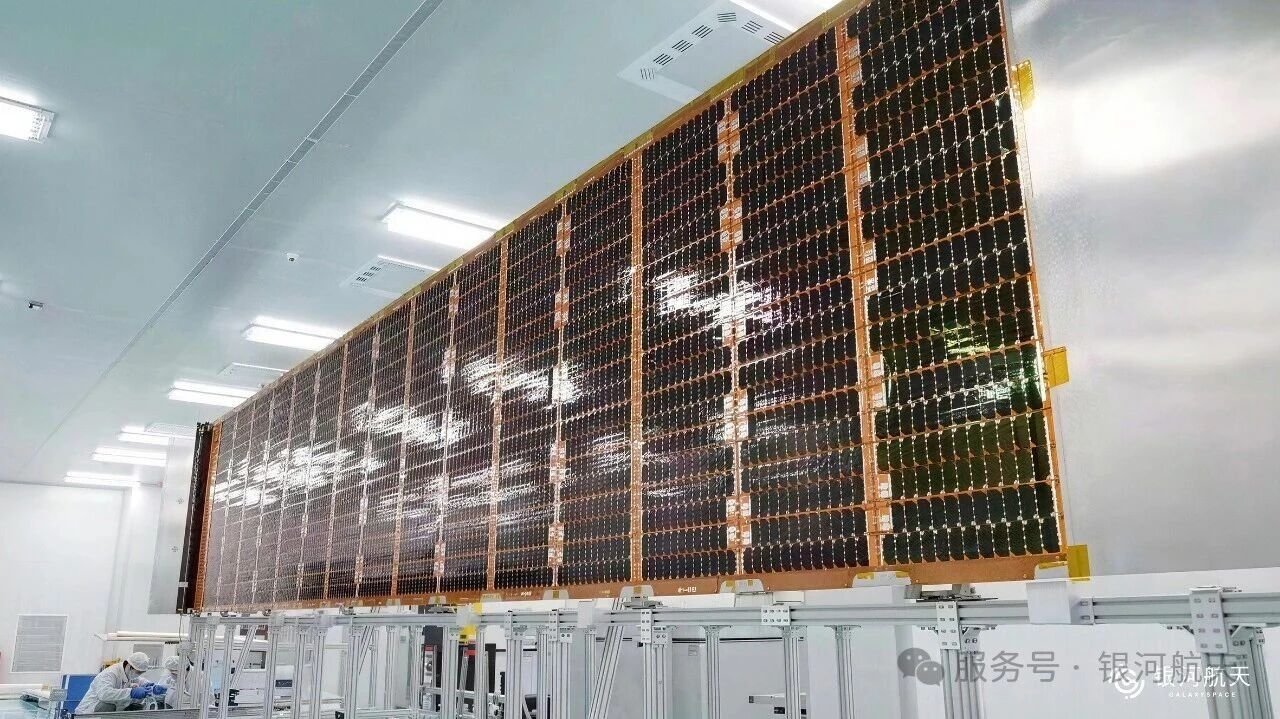
The company also released physical images of the China Mobile 02 satellite, giving a clearer look at the hardware behind the test program. That matters because direct satellite connectivity has quickly moved from a concept in telecom roadmaps to real flight hardware.
The goal of satellite mobile communication is to let ordinary phones maintain connectivity when ground networks are unavailable or unreliable. This can be especially useful in emergency response, maritime communication, remote areas, wilderness travel, and disaster recovery.
China Mobile’s latest satellite also fits into a broader regulatory and commercial push. In September 2025, China’s Ministry of Industry and Information Technology granted China Mobile a license for satellite mobile communication services.
With that approval, China’s three major telecom operators all received permission to legally develop services such as mobile phones connecting directly to satellites. The policy move opened the door for carriers to build more practical products around emergency communication, remote coverage, and integrated space-ground networks.
The launch of China Mobile 02 does not mean consumer service is immediately ready nationwide. Satellite-to-phone systems still need testing across radio links, handset compatibility, network handoff, service stability, and commercial deployment models.
Still, putting the satellite into orbit is a concrete milestone. It allows China Mobile and its partners to validate real-world communication scenarios rather than relying only on lab simulations or ground-based prototypes.
The inclusion of Qianfan DTC 01 on the same mission is also notable because DTC, or direct-to-cell/direct-to-device connectivity, is becoming a key theme in next-generation satellite communications. Operators around the world are exploring ways to extend mobile coverage beyond terrestrial towers.
For consumers, the long-term promise is simple: a phone that can still send critical messages or connect in places where normal cellular coverage disappears. For carriers, the challenge is turning satellite links into a reliable service that works with existing mobile networks and future devices.
The successful orbit insertion of China Mobile 02 shows that China Mobile’s direct-to-phone satellite program is moving into a more practical test phase. More details should emerge as the company begins validating the satellite’s communication capabilities in orbit.