Xiaomi Group partner and president Lu Weibing says he expects some Chinese flagship phones to cross the 10,000-yuan mark later this year, especially as the market heads into the year-end launch window. The comment came during a livestream in which he discussed pricing pressure across the smartphone industry and the cost outlook for upcoming devices.
Lu made the point while addressing whether the upcoming Xiaomi 17 Max could be affected by rising memory prices. He said that today, any phone maker discussing launch pricing has to account for a major increase in memory costs. In his words, pricing for future products is still under discussion, and Xiaomi will announce final numbers closer to release.
His reasoning is tied to a supply cycle that moves much more slowly than demand. Lu said it takes more than three years to build and fully ramp a memory factory, while demand growth is moving much faster. Because of that mismatch, he believes the pressure from memory costs could continue through the end of 2027, and possibly even into 2028. He added that from the second quarter onward, some older products have already started getting more expensive.
Lu also said handset brands have limited ability to control a global rise in memory pricing. Under those conditions, he argued that the most practical response is to stay focused on product value and execution rather than trying to fight the broader supply trend. Xiaomi’s stated goal, he said, is still to deliver the most worthwhile product in a given tier even if the external cost environment keeps changing.
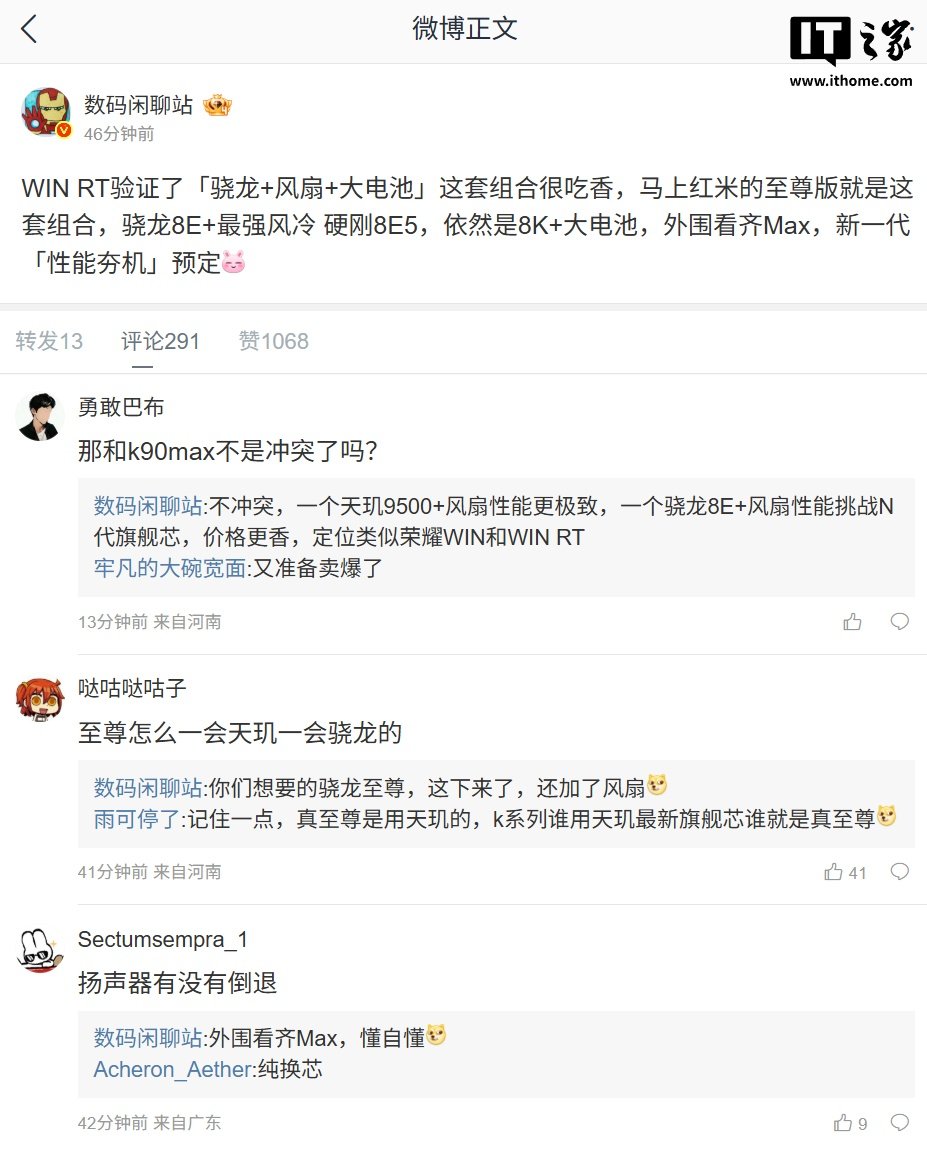
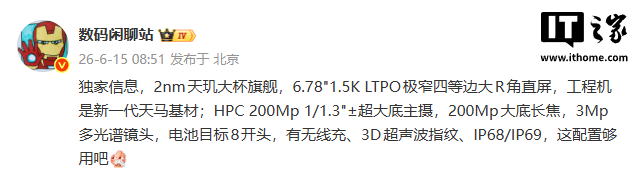
IT Home noted that Xiaomi has already confirmed the Xiaomi 17 Max for launch later this month. The phone is expected to feature Xiaomi’s first Leica-branded 200MP main camera, a 3x periscope telephoto setup, and an 8000mAh battery. Those kinds of premium components help explain why concerns around 10000 yuan-level pricing are starting to surface more openly in the flagship segment.
For readers watching the broader market, Lu’s remarks matter beyond one Xiaomi device. They suggest that top-end Android phones in China may be entering a new pricing phase, where advanced camera hardware, larger batteries, and sustained component inflation could push elite flat-screen flagships into a noticeably higher bracket than buyers have been used to in recent years.